Dogs
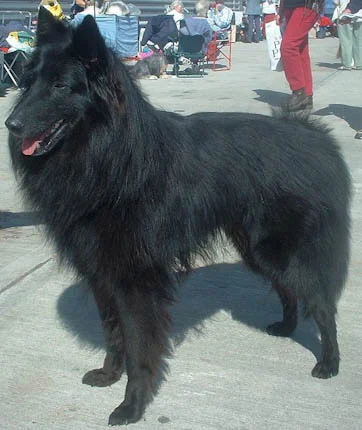
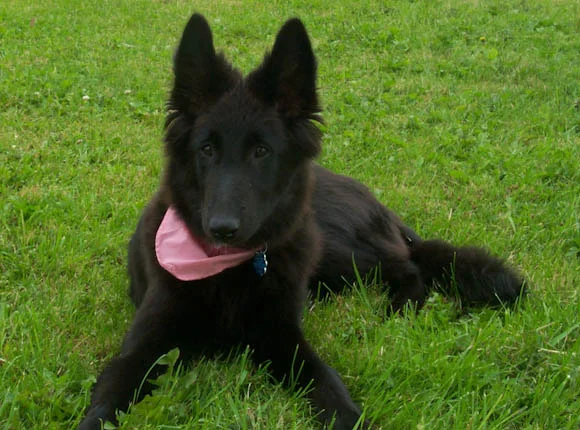
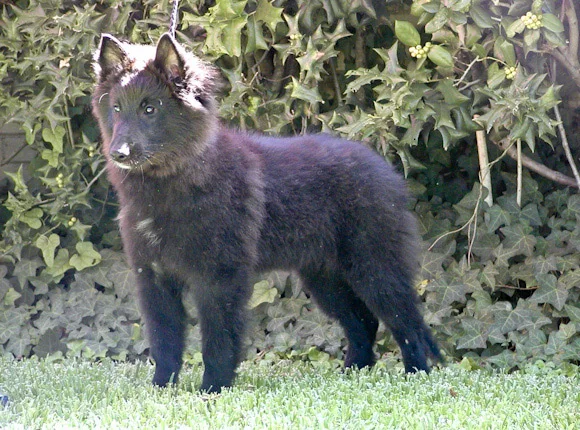
Belgian Sheepdog Dog
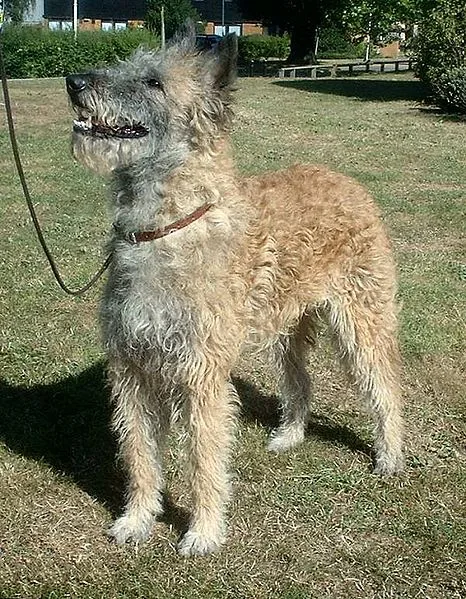
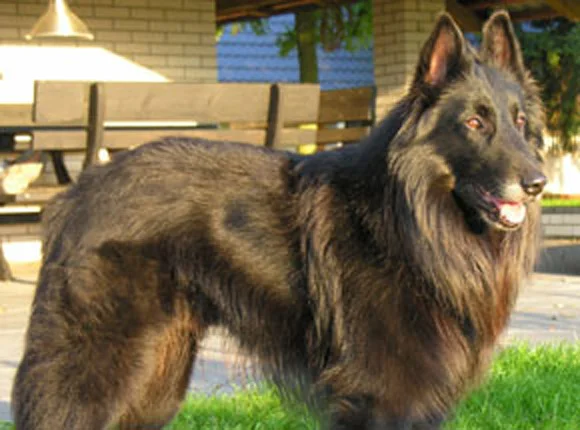
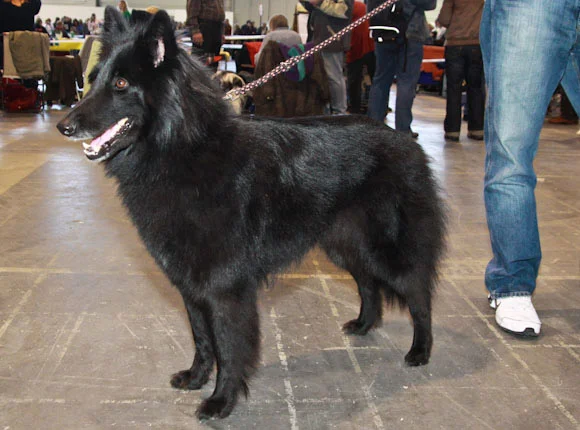
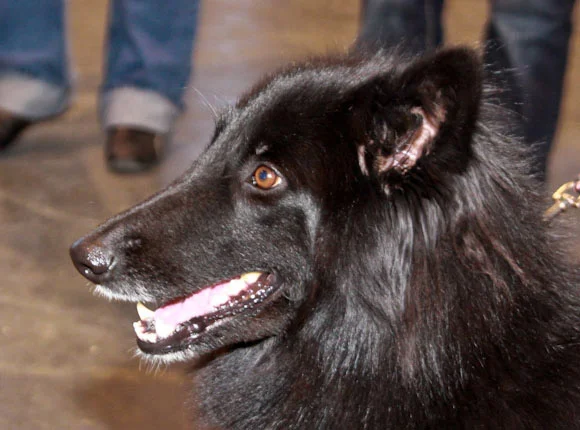
Other names: Chien de Berger Belge, Belgian Shepherd Dog, Belgian Sheepdog, Groenendael, Laekenois, Malinois, Tervuren
Tracking, retrieving, herding, watchdog, guarding, police work, narcotics detection, military work, search & rescue, agility, competitive obedience, Schutzhund, performing tricks.
- Origin
- Belgium
- Size
- Large
- Height · Male
- 60–66 cm
- Height · Female
- 56–60 cm
- Weight · Male
- 25–30 kg
- Weight · Female
- 20–25 kg
- Life expectancy
- 10–12 years
- Litter
- 6–10 puppies
- FCI
- FCI group 1 · 1 · n.º 15
- AKC
- 1+3+4 Herding Group · #111
Traits
Activity
Social
At home
Care
Training
Guarding
Temperament
This is a very high-energy breed, and should always have a job to do. If not properly entertained or left alone for long periods, this breed can become destructive. The Belgian Sheepdog can do well with children, but can present aggressive behavior towards other dogs. Does well with other household pets if properly socialized.
History
In Belgium, at the end of the 1800s, there were a great many herding dogs, whose type was varied and whose coats were extremely dissimilar. In order to rationalise this state of affairs, some enthusiastic dog fanciers formed a group and sought guidance from Prof. A. Reul of the Cureghem Veterinary Medical School, whom one must consider to have been the real pioneer and founder of the breed.
The breed was officially born between 1891 and 1897. On September 29th, 1891, the Belgian Shepherd Dog Club (Club du Chien de Berger Belge) was founded in Brussels and in the same year on November 15th in Cureghem, Professor A. Reul organised a gathering of 117 dogs, which allowed him to carry out a return and choose the best specimens. In the following years they began a real programme of selection, carrying out some very close interbreeding involving a few stud dogs.
By April 3rd, 1892, a first detailed breed standard had already been drawn up by the Belgian Shepherd Dog Club. One single breed was allowed, with three coat varieties. However, as was said at the time, the Belgian Shepherd only belonged to ordinary people and therefore the breed still lacked status.
Care
The Belgian Sheepdog needs a good deal of exercise, either a good long jog or a long, strenuous play session. He needs room to move during the day and does best with access to a yard. His double coat needs brushing and combing twice weekly, more when shedding.
The Belgian Sheepdog would do best with at least an average sized yard but is given proper exercise, can do well without one. Long brisk walks are required if this breed is to live without a yard. This breed does best when off lead in a safe and fenced in area.
Belgian Sheepdogs need attention, a job or activity, positive training and early socialization.
Health
Daily combing and/or brushing is required for this long, straight haired breed. Should be brushed down all the way to the undercoat to prevent tangles or matts. The Belgian Sheepdog does shed heavily during warmer seasons, and grooming is particularly important during this time.
Fun facts
Sheds twice a year with some additional shedding throughout the year. Though the Groenendael can sleep outdoors, he prefers to be with his people. Exercise caution when introducing this dog with small non-canine pets. May tend to display herding behavior
Belgian Sheepdog Dog breeders
All breeders →No verified breeders for this breed yet. Are you a breeder? Register.
Looking for more breeders? Ask the Clube Português de Canicultura (CPC) for the list of registered breeders of your breed. Visit, meet the parents and ask for health tests.