
Dogs
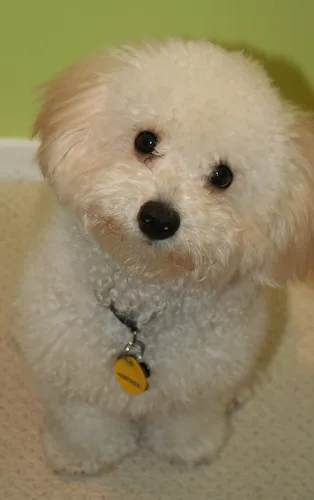
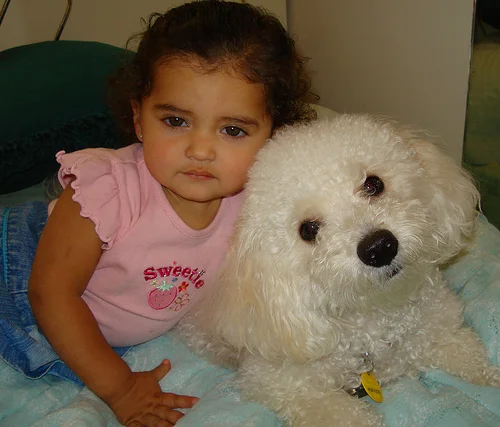
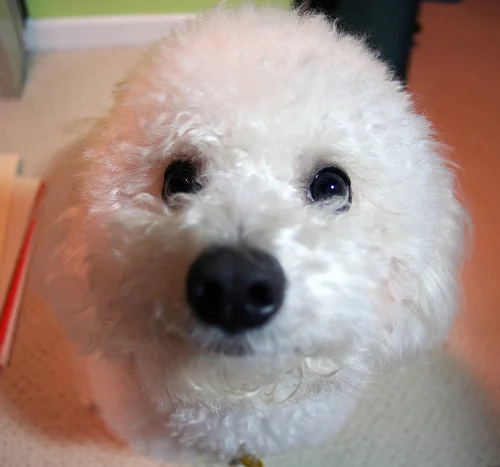
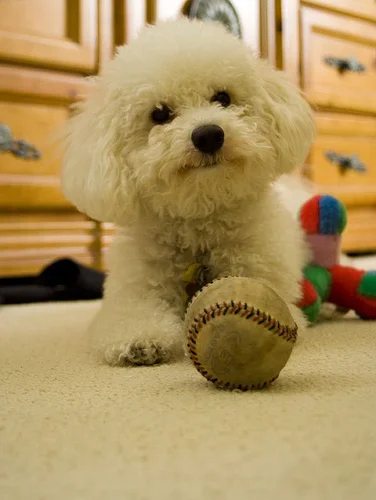
Bichon Bolognese
Other names: Bichon Bolognese, Bolognese, Bichon Bolognese , Bolognese Toy Dog, Bologneser, Bolo, Botoli, Bottolo
- Origin
- Italy
- Size
- Toy
- Height · Male
- 27–30 cm
- Height · Female
- 25–28 cm
- Weight · Male
- 3–5 kg
- Weight · Female
- 2.5–4 kg
- Life expectancy
- 13–15 years
- FCI
- FCI group 9 · 9 · n.º 196
Traits
Activity
Social
Training
Guarding
Temperament
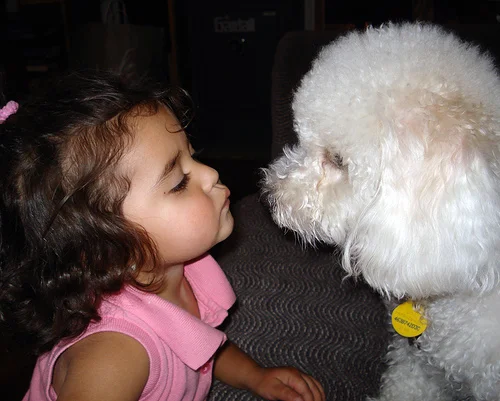
Very serious, generally not very active. Enterprising, docile, very much attached to his master and his entourage.
History
Its origins are confused with those of the Maltese, because its distant ancestors are the same little dogs mentioned in Latin by Aristotle (384-322 BC) under the denomination of « canes melitenses ». Already known in the Roman era, the Bolognese appears most especially among the very appreciated gifts which were made during a whole era by the powerful of that world. Cosimo de Medici (1389-1464) brought no less than eight to Brussels as gifts to as many Belgian noblemen. Philipe II, king of Spain from 1556 to 1598, after having received two as a gift from the Duke d?Este, thanks the donor in writing saying « that these two little dogs are the most royal gifts one can make to an emperor ». Bolognese are represented in paintings of Titian, of Pierre Breughel called le Vieux and Goya.
Care
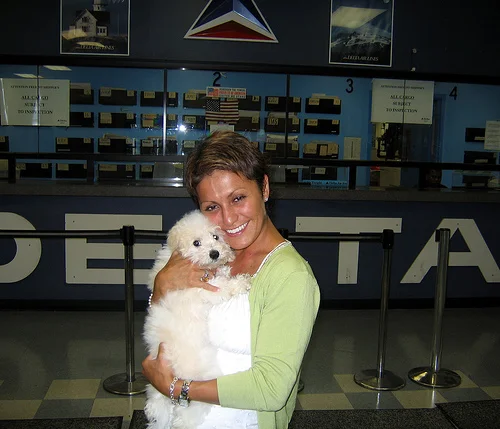
The Bolognese will do okay in an apartment provided they are given time and attention and are not left alone for extended periods of time. This breed thrives on companionship and benefits from a daily walk or free play in a small yard.
Attention, grooming, and socialization.
Health
Daily brushing of the Bolognese is required to prevent matting. Monthly grooming is recommended. Due to the rarity of this breed and limited human intervention, the Bolognese have no health issues.
Training
With a gentle and consequent training, the desired results can be achieved wihout problems because it is an intelligent dog, eager to make pleasure to the owner and that's why it gets easily what is required.
Coat & grooming
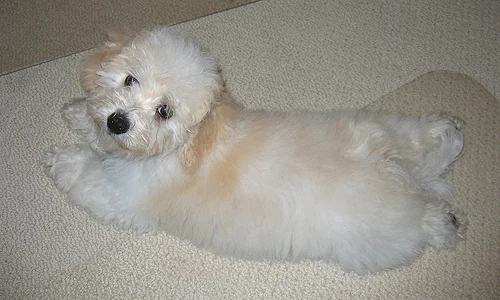
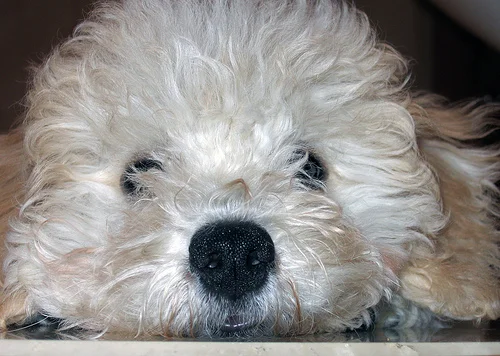
The fur of this dog needs a brushing and a combing daily fot not to get tangled, especially on the belly, behind the ears, and the area between the legs. It doesn't shedd, the dead hair bristles are removed through brushing. The excess hair between the pads from the paws and from the ears must be removed. The fur will be washed regulary to keep it white and clean.