Dogs
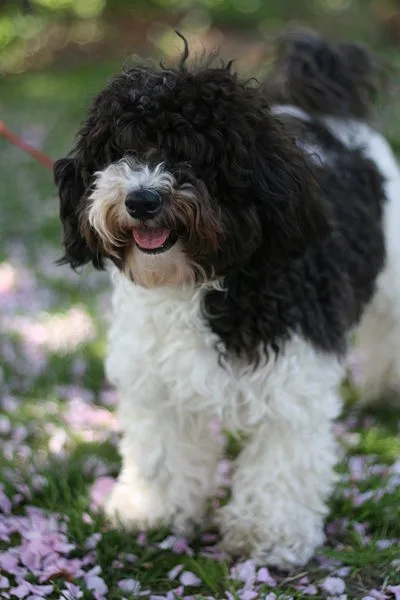
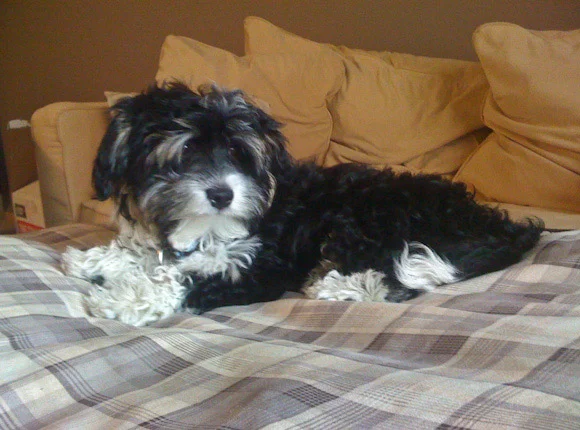
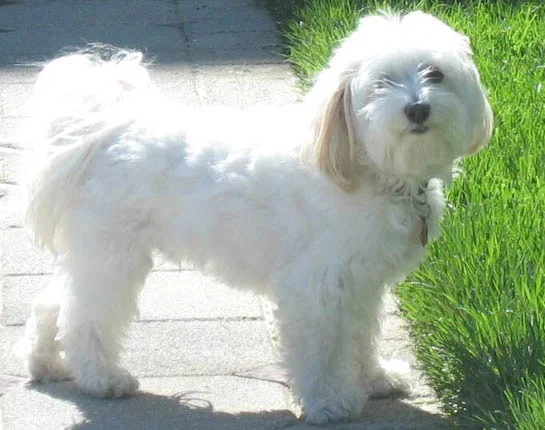
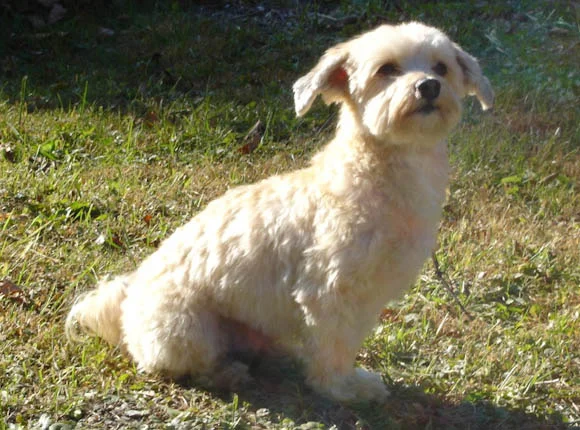
Bichon Havanese
Other names: Bichon Havanese, Havana Silk Dog, Bichon Habanero, Habaneros, Havanese, Havanese Cuban Bichon,Havaneser, Havanezer,
companion
- Origin
- Cuba
- Size
- Toy
- Height · Male
- 21–29 cm
- Height · Female
- 21–29 cm
- Weight · Male
- 4–6 kg
- Weight · Female
- 4–6 kg
- Life expectancy
- 10–15 years
- Litter
- 1–9 puppies
- FCI
- FCI group 9 · 9 · n.º 250
- AKC
- Toy Group · #55
Traits
Activity
Social
At home
Care
Training
Guarding
Temperament
Exceptionally bright he is easy to train as alarm dog. Affectionate, of a happy nature, he is amiable, a charmer, playful and even a bit of a clown. He loves children and plays endlessly with them.
History
The breed comes from the Western Mediterranean region and has developed along the Spanish and Italian coastal region. It would seem that these dogs were imported early in Cuba by ocean navigating Italian captains. Erroneously, the most frequent brown colour of these dogs (tobacco) gave birth to the legend which would mean it to be a breed originating from Havana, capital of Cuba. The political events however have led to the total disappearance of the old blood lines of the Havanese in Cuba; apparently a few dogs could be successfully smuggled out from Cuba; their descendants have survived in the U.S.A.
Care
Although energetic, the Havanese can have her exercise needs met with a short walk or a good play session. She is not a dog that can live outside. Coat care entails brushing two to four times a week. This is a nonshedding dog, which means that loose hairs are caught in the outer hairs, tending to tangle, unless they are combed out.
The Havanese has an energetic nature that requires walking, a play session, or a swim. However, they do not require an inordinate amount of exercise. They do well in apartments and also homes with small yards. Since they are adept at learning tricks, they benefit from this activity. The Havanese are moderately active indoors but do need toys and social stimulation so as not to become bored and irritable.
Attention and grooming.
Health
The Havanese require brushing and combing a minimum of two times per week although the coat may be clipped for easier care. It is important to check the eyes and ears regularly and keep them clean. They are susceptible to genetic eye disease and ear infections. The Havanese need to have their teeth brushed weekly so early tooth loss is prevented.
Training
This dog is sensitive to the tone of the voice, and it wants to make pleasure to its master and understands easily what is required. That's why, the training doesn't raise any problems. It must be thought since an early age when and how much to bark. Some of these dogs are used to circus shows.
Coat & grooming
The fur of this dog needs a brush 2-3 times a week to remove the dead hair bristles and for not getting tangled. The fur from the feet must for not making fringes whitch will make its movements harder. It doesn't shed. The excess hair between the pads of the paws and from ears must be removed.