Dogs
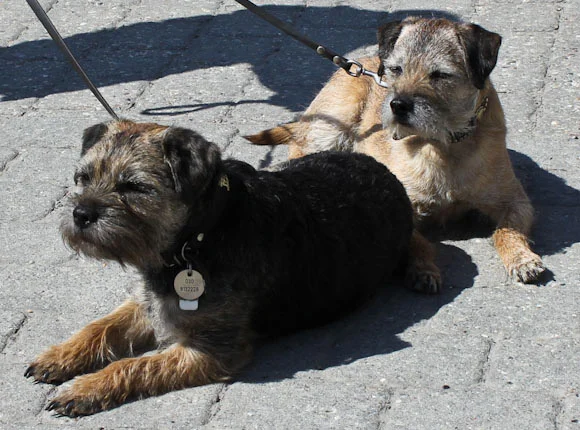
Border Terrier
Other names: Coquetdale Terrier, Reedwater Terrier
Hunting, tracking, watchdog, agility, competitive obedience, performing tricks.
- Size
- Small
- Height · Male
- 32–37 cm
- Height · Female
- 32–37 cm
- Weight · Male
- 5.9–7.1 kg
- Weight · Female
- 5.1–6.4 kg
- Life expectancy
- 12–15 years
- Litter
- 3–6 puppies
- FCI
- FCI group 3 · 3 · n.º 10
- AKC
- Terrier Group · #84
Traits
Activity
Social
At home
Care
Training
Guarding
Temperament
Friendly and playful, the Border Terrier is very affectionate and thrives on human interaction and attention. This breed is more placid than is typical of the other terrier breeds. They do best in a home with older considerate children. They will generally get along with other dogs but are not recommended for homes with cats or other small household pets. The Border Terrier does not do well if left alone for extended periods of time and will become destructive and bark excessively if bored or lonely. For this reason a two-career family is not an ideal situation for them. They are wary of strangers but are generally not aggressive. This breed is not recommended for the novice, apathetic or sedentary dog owner.
Care
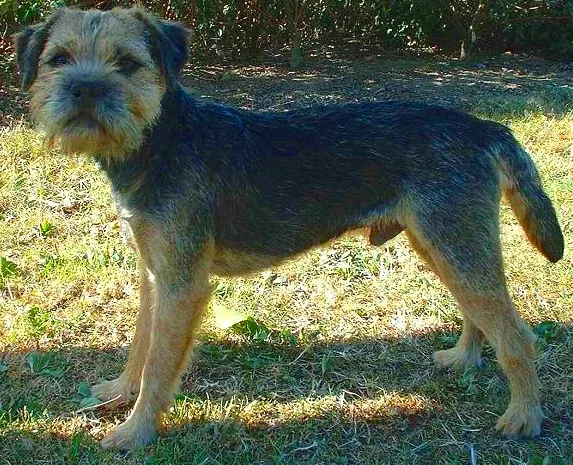
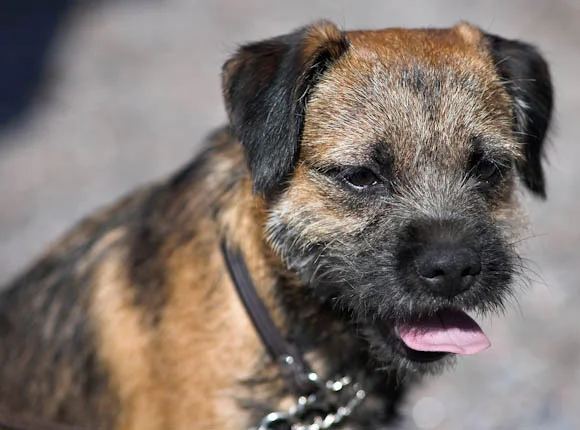
The border likes activity and needs either a good walk on leash, a vigorous game session or an off-lead expedition in a safe area every day. He does best when allowed to divide his time between house and yard. His harsh coat needs brushing weekly, plus stripping of dead hairs about four times yearly to maintain his clean outline.
The Border Terrier needs regular, daily exercise and enjoys being given a job to do. They benefit from securely leashed walks, family play sessions, and a safely fenced area to romp and run freely. This breed will do okay in an apartment dwelling provided they receive sufficient physical exercise and mental stimulation.
Health
The Border Terrier must be brushed weekly and have the coat professionally stripped twice a year. Bathing should only be done when absolutely necessary using a mild shampoo to preserve the integrity of the coat. This breed has a high tolerance for pain and will rarely show any sign of illness or distress. Therefore, it is imperative to closely monitor their health. Border Terriers are prone to hip dysplasia, PRA, cataracts, seizures, heart defects, allergies, and a low tolerance for anesthesia. It is important to not over-feed this breed as they have a tendency to gain weight easily.
Training
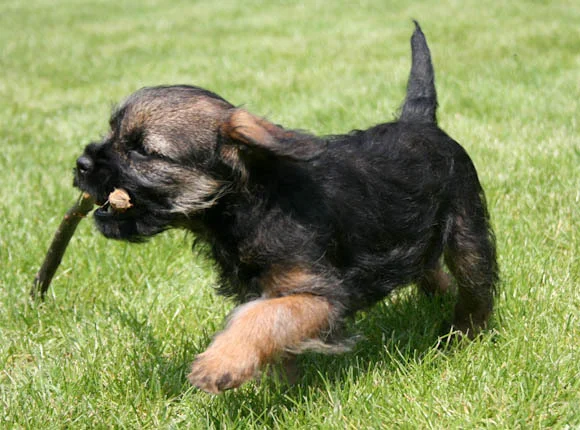
This dog is easily to train because is intelligent and learns quickly. The training must be consistent, well-balanced, gentle, and made with pleasure. It loves exercise and life especially. It likes sports like flyball or agility competitions.
Coat & grooming
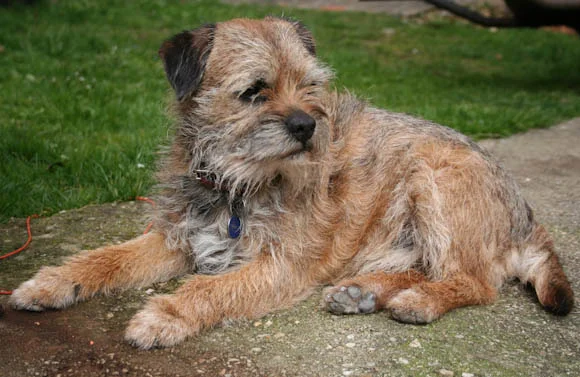
The fur of this dog needs a weekly brushing and even trimmed once a year to remove the exess hair. It will be never cut.
Fun facts
Sheds very lightly; needs weekly brushing and plucking of long hair every month or so. Border Terriers like to dig, and must be securely fenced in. Many owners use freestanding dog runs or additional reinforcement along the bottoms of their fences. Border