Dogs
Bouvier des Flandres
Other names: Belgian Cattle Dog, Koe Hond (Cow Dog), Toucheur de Boeuf (Cattle Drover), Vuilbaard (Dirty Beard), Vlaamse Koehond, Flanders Cattle Dog, Bouvier des Flandres, Flandrischer Treibhund\r\n
Tracking, herding, watchdog, guarding, police work, military work, search & rescue, carting, agility, competitive obedience, Schutzhund.
- Origin
- Belgium
- Size
- Small
- Height · Male
- 35–40 cm
- Height · Female
- 27–35 cm
- Weight · Male
- 40–54 kg
- Weight · Female
- 27–40 kg
- Life expectancy
- 11–12 years
- Litter
- 5–10 puppies
- FCI
- FCI group 1 · 1 · n.º 191
- AKC
- Herding Group · #86
Traits
Activity
Social
At home
Care
Training
Guarding
Temperament
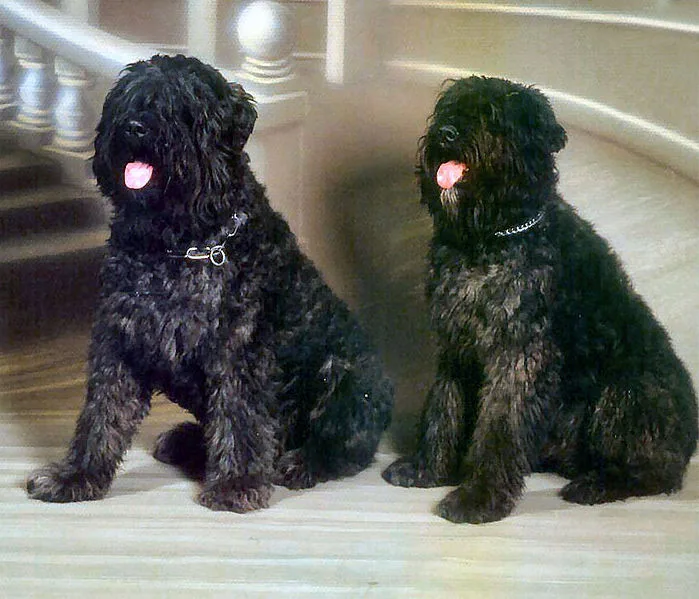
The Bouvier des Flandres has the calm, thoughtful character of a sensible, but fearless dog. Its lively look indicates intelligence, energy and audacity. It is essential that the Bouvier des Flandres should retain its aptitude for work. Any change which could harm this must be penalised.
History
As its name indicates, the Bouvier des Flandres (Flanders Cattle Dog) is native to Flanders, to both Belgian and French regions of that name, since they are not divided by any natural frontiers. The cowmen and drovers of stock in Flanders needing good dogs to drive their herds, only selected from the local dogs available those specimens which possessed the required physical and behavioural qualities. The present day Bouvier des Flandres has inherited these qualities.
Care
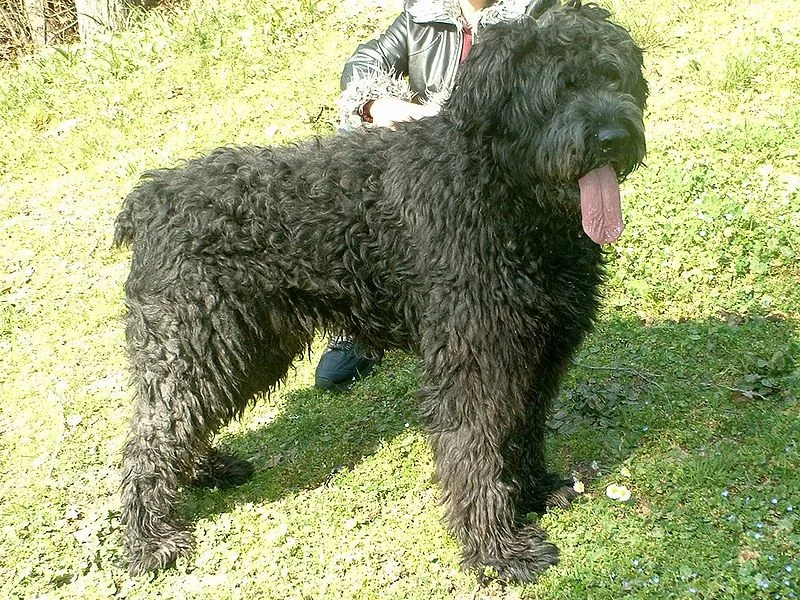
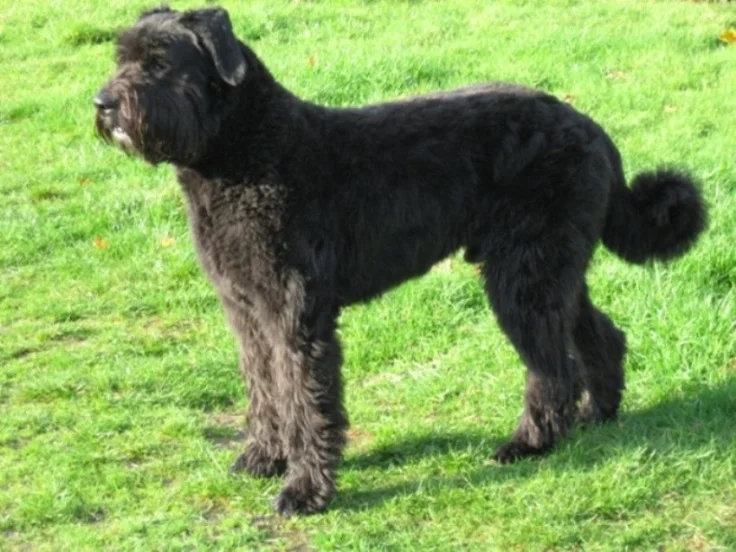
The Bouvier des Flandres is not a breed that can be put aside until the mood strikes to play with him. He needs daily exercise and daily interaction, and a lot of both. He loves the chance to herd, but his requirements can also be met with a good jog, a very long walk or a vigorous play session. He makes a good house dog and would enjoy access to both house and yard. His harsh coat needs combing once or twice weekly, plus scissoring and shaping every three months.
The Bouvier Des Flandres does best with a large sized yard, but will do okay in apartment life if given proper exercise. A very active breed, this dog must be regularly exercised. Long walks, and running free are recommended under close supervision.
Fenced yard, grooming, positive training, and socialization.
Health
Having a long and shaggy coat, the Bouvier Des Flandres requires much maintenance in the grooming field. Needing to be trimmed at least three times a year to prevent any matts or tangles, this breed should also be brushed on a daily basis. If properly groomed, this breed will shed little hair.
Training
It needs a well balanced and consequent training, without being too hard. The commands once learned, will be never forgotten.
Coat & grooming
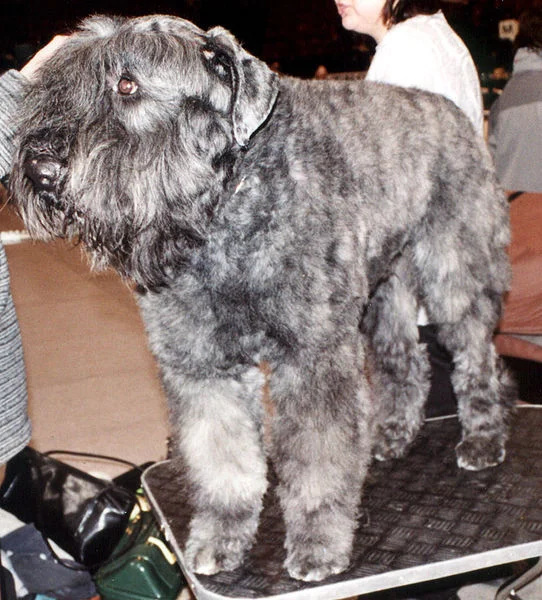
The brushing of the fur is made occasionally, and more often in the moulting period. The excess hair between the pads of the feet and the ears must be removed. Kept inside the apartment, its hair could be cut during the hot period.
Fun facts
The shaggy coat requires a lot of attention. Can be nippy in an attempt to herd people. Very hardy, but prone to hip dysplasia. Purchase only from OFA stock. The Bouvier is slow-maturing in both body and mind. Full maturity is generally not reached until
Bouvier des Flandres breeders
All breeders →No verified breeders for this breed yet. Are you a breeder? Register.
Looking for more breeders? Ask the Clube Português de Canicultura (CPC) for the list of registered breeders of your breed. Visit, meet the parents and ask for health tests.