Dogs
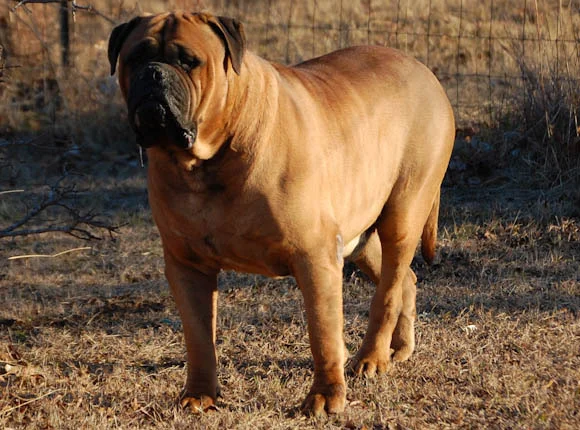
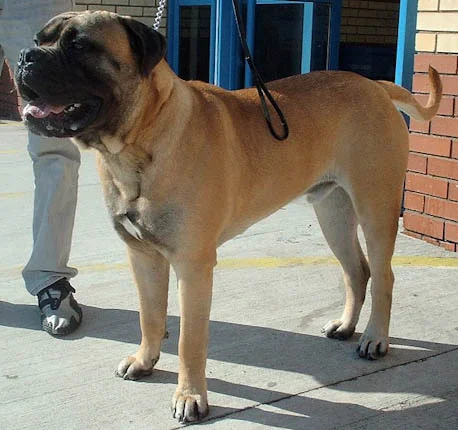
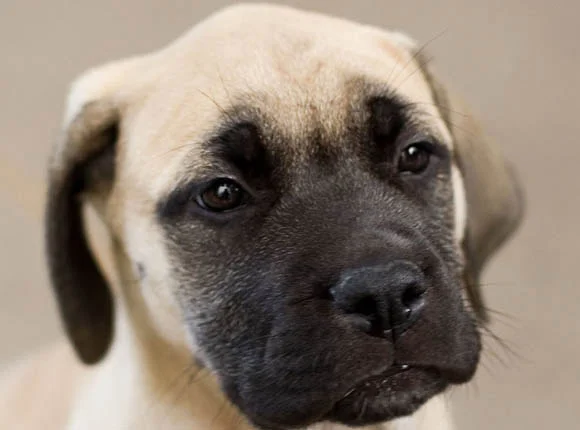
Bullmastiff
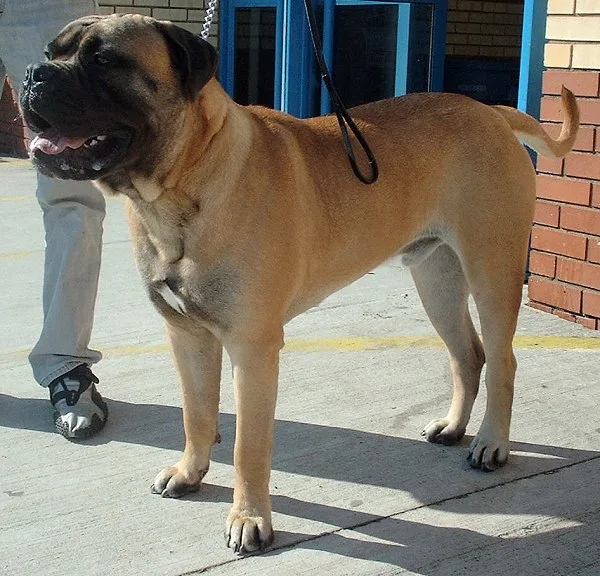
Tracking, watchdog, guarding, police work.
- Size
- Large
- Height · Male
- 64–69 cm
- Height · Female
- 61–66 cm
- Weight · Male
- 50–59 kg
- Weight · Female
- 41–50 kg
- Life expectancy
- 8–10 years
- Litter
- 5–8 puppies
- FCI
- FCI group 2 · 2 · n.º 157
- AKC
- Working Group · #48
Traits
Activity
Social
At home
Care
Training
Guarding
Temperament
Powerful; enduring, active and reliable. High-spirited, alert and faithful.
History
The Bullmastiff evolved from the Old English Mastiff and the Bulldog. Primarily used as a guard dog and, in olden times, to help the gamekeeper in the apprehension of poachers. The Bullmastiff is intelligent and observant; he is totally reliable both physically and mentally and can quickly assess a situation. His bravery and courage and defending against intruders is legendary.
Care
The bullmastiff is a big dog and needs daily exercise to stay in shape. His needs are moderate, however, and can be met with walks on leash and short romps. He does not do well in hot, humid weather and generally should be kept as an indoor dog. He needs a soft bed and plenty of room to stretch out. He drools; some snore. Coat care is minimal.
A lazy breed, to avoid weight problems this breed should be sufficiently exercised regularly. The Bullmastiff does enjoy long walks or jogs, and would do well with an average sized yard.
Socialization, training, and protection from the heat.
Health
A firm bristle brush or rubber brush should be used on this breed occasionally to remove any dead or loose hair. Very little shedding, the Bullmastiff does not require much maintenance when it comes to grooming. As this dog does tend to slobber, the mouth should be regularly cleaned.
Training
It is a dog which iseasy to train, being sensible to the voice tone. Even though it is docile, the training must be firm, well ballanced and consequent. Being strong, it needs to be taught to walk in a leash without pulling. It is not recommended to be kept in leash by children.
Coat & grooming
An ocassional brushing, eventual more frequent during the moulting period is enough.
Fun facts
The Bullmastiff can be aggressive with other dogs, but may be OK with other pets if raised with them from puppyhood. (Note: The Bullmastiff is a more aggressive breed than the Mastiff.) Tends to drool and snore. Puppies may seem uncoordinated. Be sure to