Dogs
Chesapeake Bay Retriever
Other names: Chessie, Chesapeake Bay Ducking Dog, Chesapeake, Chesapeake Bay Retriever
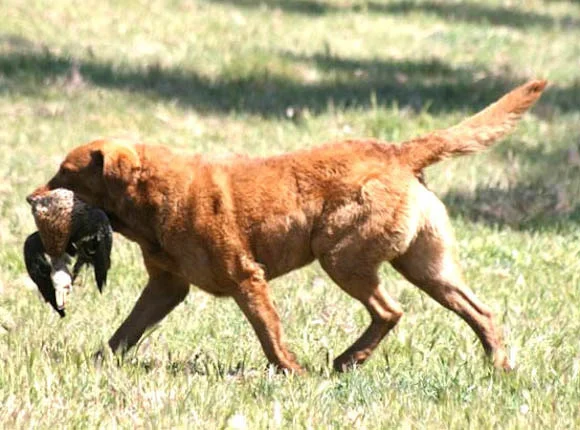
Hunting, tracking, retrieving, watchdog, guarding, competitive obedience, Schutzhund.
- Size
- Large
- Height · Male
- 58–66 cm
- Height · Female
- 53–61 cm
- Weight · Male
- 29–37 kg
- Weight · Female
- 25–32 kg
- Life expectancy
- 10–13 years
- Litter
- 7–8 puppies
- FCI
- FCI group 8 · 8 · n.º 263
- AKC
- Non-Sporting Group · #41
Traits
Activity
Social
At home
Care
Training
Guarding
Temperament
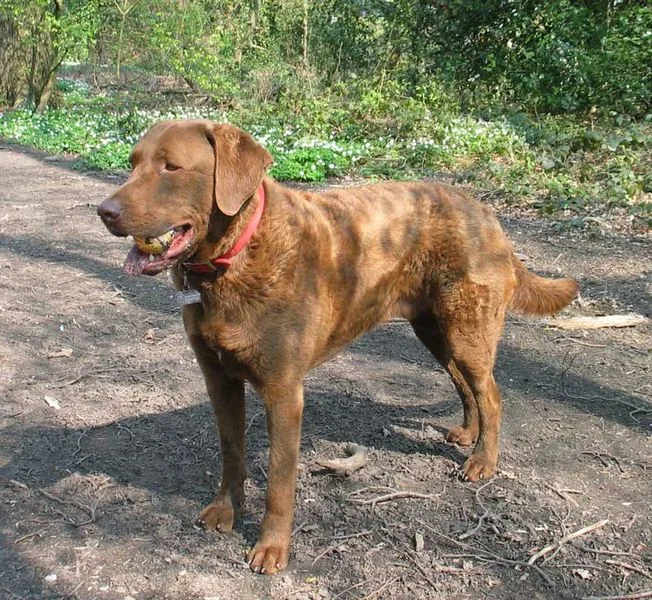
The Chesapeake is valued for its bright and happy disposition, intelligence, quiet good sense, and affectionate protective nature. Courage, willingness to work, alertness, nose, intelligence, love of water, general quality and, most of all, disposition should be given primary consideration in the selection and breeding of the Chesapeake Bay Retriever.
Extreme shyness or extreme aggressive tendencies are not desirable in the breed either as a gun dog or companion.
Care
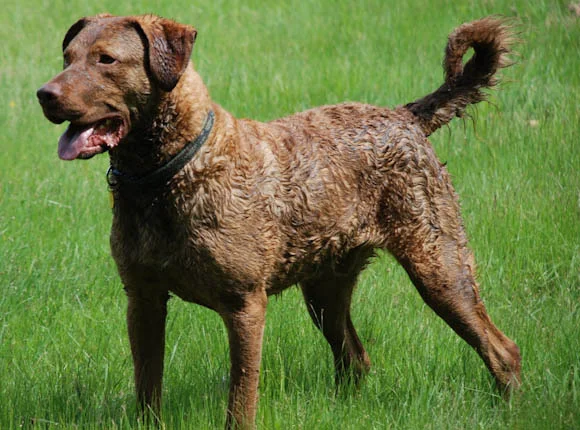
The Chessie is a large active dog that needs a daily chance to exercise. He enjoys a good walk or swim and more than anything, prefers to spend time with his family. The oily, wavy coat needs weekly brushing but is generally easily maintained. He seldom needs washing; in fact, it's hard to get a Chessie wet! Bathing destroys the coats oils and thus, its water resistance.
The Chesapeake Bay Retriever requires daily vigorous exercise. They enjoy swimming and make excellent walking, jogging, and bicycling companions. This breed must have physical and mental stimulation. They are not suited for apartment or city dwelling. Chesapeake Bay Retrievers do best in a home where they can run and romp freely in a safely fenced area.
Health
This breed requires once a week brushing to remove dead hair. It is important to not over groom, as this will damage the coat. Bathing should only be done when absolutely necessary to preserve the integrity of the water repellant coat. The Chesapeake Bay Retriever is prone to such health issues as elbow and hip dysplasia, Von Willebrands Disease, PRA, and cataracts. They prefer cooler climates.
Training
The training of this dog should be done under the guidance of an experienced person because it has the tendency to be independent, to do whatever it wants. But with a firm attitude, consistent, but mild and indulgent can get pretty good results from this breed fast. These dogs reach the maturity later than the dogs from other breeds.
Coat & grooming
The fur will be easily brushed, to remove the dead hair bristles during the moulting period, but not very intense, not to spoil the coating texture. For the same reason, it is not recommend bathing the dog.
Fun facts
Different than other retrievers in that he is more aggressive, willful, and reserved with strangers. May be combative with other dogs. His oily coat has a distinct smell, but helps protect him from icy waters. Likes to sleep outdoors. This excellent retri
Chesapeake Bay Retriever breeders
All breeders →No verified breeders for this breed yet. Are you a breeder? Register.
Looking for more breeders? Ask the Clube Português de Canicultura (CPC) for the list of registered breeders of your breed. Visit, meet the parents and ask for health tests.