Dogs
Curly Coated Retriever
Other names: Curly, Curly Coated Retriever, Curly-Coated Retriever
Hunting, tracking, retrieving, watchdog, guarding, agility, competitive obedience.
- Size
- Large
- Height · Male
- 65–67.5 cm
- Height · Female
- 59–62.5 cm
- Weight · Male
- 35–40 kg
- Weight · Female
- 30–35 kg
- Life expectancy
- 8–12 years
- Litter
- 7–8 puppies
- FCI
- FCI group 8 · 8 · n.º 110
- AKC
- Non-Sporting Group · #137
Traits
Activity
Social
At home
Care
Training
Guarding
Temperament
The Curly Coated Retriever is loyal, affectionate, and sensitive. This breed does well with children, other dogs, and pets. They are aloof and reserved with strangers, but will only show aggression if they sense threatening danger. Curly Coated Retriever's are an extremely well-mannered breed, proud, and friendly.
Care
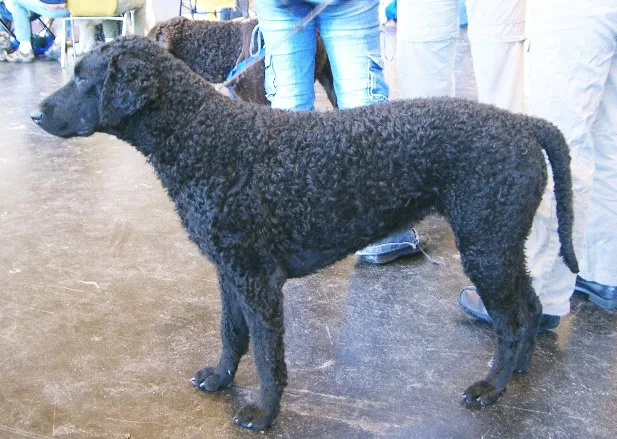
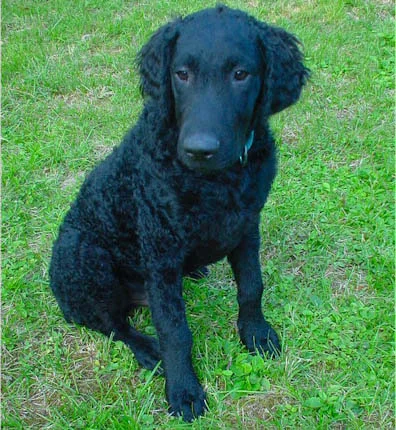
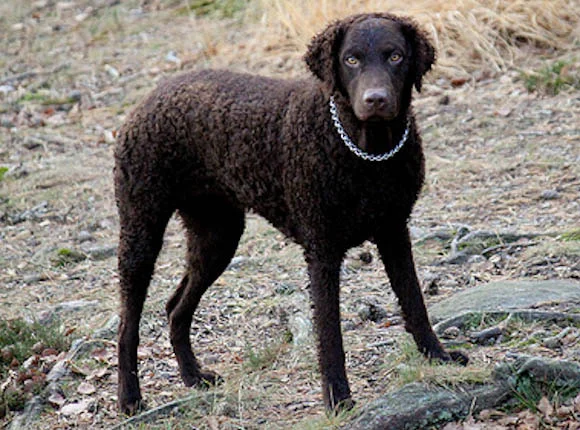
The curly is an easy dog to maintain, requiring no unusual care. She needs daily exercise, preferably involving swimming and retrieving. She does best as an indoor, outdoor dog. Because brushing diminishes the tight curls, she should be combed only occasionally, preferably before getting wet. Some very minimal scissoring may be desirable to tidy up scraggly hairs. She does need regular brushing during her shedding seasons.
Curly Coated Retriever's are not recommended for apartment living. They thrive on outdoor activity but must be indoor companions. They do best in a rural setting. The Curly Coated Retriever needs an inordinate amount of physical exercise and mental stimulation. They enjoy and excel at swimming, tracking, retrieving, agility, as watchdogs, and competitive obedience.
Attention and training.
Health
The Curly Coated Retriever breed requires minimal grooming. Occasional brushing will suffice. The Curly Coated Retriever should only be bathed when absolutely necessary using a mild shampoo. It is important that there be no damage to the coat. Regular checking of the ears for debris or infection is recommended. This breed is prone to eye problems, epilepsy, and hip dysplasia.
Training
With a firm, consistent, varied training but without being harsh or cruel, man can get good results quickly enough, because this dog is intelligent, it understands quickly and it wants to make pleasure to its master, even if it has an independent side and males are more dominant than females.
Coat & grooming
The fur will be brushed during moulting period to remove dead hair bristles, but not too intensely for not destroying the texture fur. Eventually, after brushing, fur should be wet with a sponge to become again curly. If it grows too long it can be trimmed a little to shorten it.
Fun facts
Beware of hip dysplasia and eye problems. Buy only from CERF and OFA- certified stock. Loves to swim. Needs a lot of exercise and mental stimulation to be truly happy. The curly coated should be washed, but brushing and combing will make the coat frizzy.
Curly Coated Retriever breeders
All breeders →No verified breeders for this breed yet. Are you a breeder? Register.
Looking for more breeders? Ask the Clube Português de Canicultura (CPC) for the list of registered breeders of your breed. Visit, meet the parents and ask for health tests.