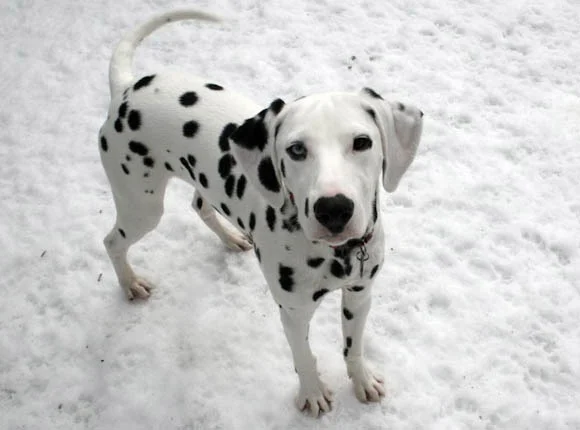
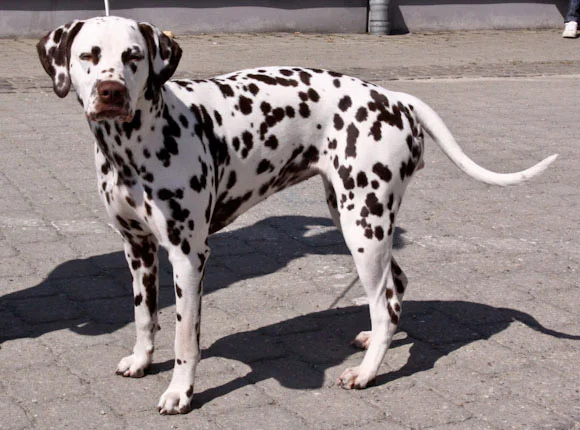
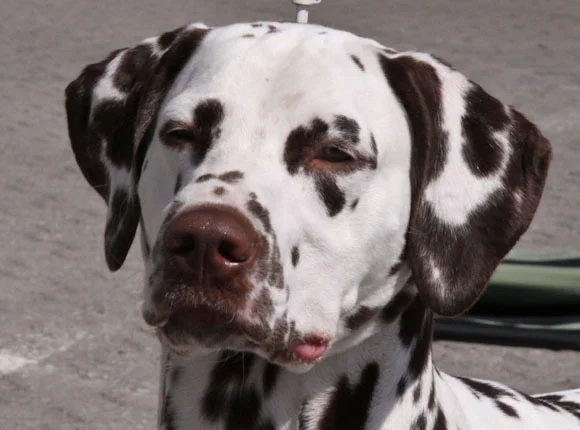
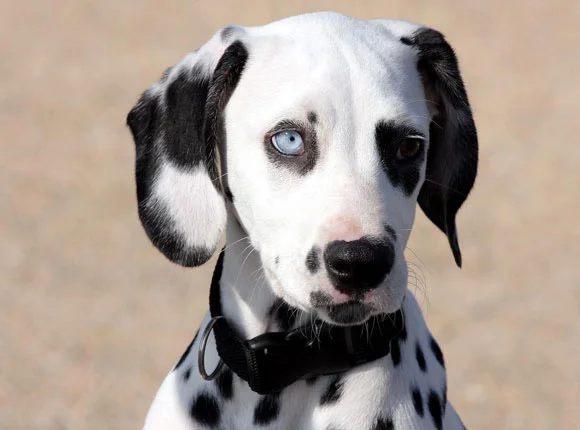
Dogs
Dalmatian
Other names: English Coach Dog, Cão da Dalmácia, Dalmatian, Dalmatinac, Dalmatien, Dalmatiner, Carriage Dog, Spotted Coach Dog, Firehouse Dog, Plum Pudding Dog, Dal, Dally\r\n
Tracking, watchdog, guarding, endurance running, agility.
- Origin
- Croatia
- Size
- Large
- Height · Male
- 56–62 cm
- Height · Female
- 54–60 cm
- Weight · Male
- 26–32 kg
- Weight · Female
- 24–28 kg
- Life expectancy
- 12–14 years
- Litter
- 8–10 puppies
- FCI
- FCI group 6 · 6 · n.º 153
- AKC
- Non-Sporting Group · #80
Traits
Activity
Social
At home
Care
Training
Guarding
Temperament
Pleasant temperament, friendly, not shy or hesitant, free from nervousness and aggression. Lively kind, loyal, independent and easy to train. The Dalmatian likes water and outdoor activities. It has a marked hound instinct.
History
The origin of the Dalmatian dog can be recognized in paintings and in church chronicles from the 16th to the 18th century. Dalmatians can be found on the altar painting ?Madonna with Jesus and Angels? in the church ?Gospa od andjela? in the town Veli Losinj, island Losinj in Croatia dating back to 1600 ? 1630 and also in a fresco in Zaostrog, Dalmatia, Croatia. It suggests that the Dalmatian originates from the eastern Mediterranean region, in particular the historic province Dalmatia.
The first descriptions of the Dalmatian were found in the diocese Djakovo, in the Croatia, namely in the church chronicles of the Bishop Petar Bakic from the year 1719 and the church chronicles of Andreas Keczkemety from the year 1737. The dog was named with the Latin name ?Canis Dalmaticus? and the height of the dog described with 4-5 ?Spithamus?. Thomas Pennant described this breed in his work ?Synopsis of Quadrupeds? in the year 1771 as very independent, named it ?Dalmatian? and wrote the origin of this breed to be Dalmatia. A work by Thomas Bewick, published in 1790, refers to this breed as ?Dalmatian or Coach Dog?. The first unofficial Dalmatian Standard was written by an Englishman named Vero Shaw in the year 1882.
After the formation of the Dalmatian Club in England in the year 1890 this standard was transferred to the first official breed standard.
The FCI published the first Dalmatian standard on the 7th of April 1955 under the name of ?Dalmatian Huntingdog?.
Care
The Dalmatian needs a lot of regular exercise and attention. He needs more than a short walk on leash; he makes a good jogging companion. The Dalmatian's needs can also be met with vigorous games and runs. Although the Dal needs shelter, soft bedding and, most of all, companionship. Thus, he is best allowed to live in the house and play in the yard. The coat needs only minimal care, but more frequent brushing will help remove dead hair.
The Dalmatian must have daily frequent exercise. They enjoy participating in family activities and play sessions. Quality time spent with their family is extremely important to this breed. With their high degree of endurance, the Dalmatian makes an excellent walking, jogging, and hiking companion. This breed does best with a securely fenced yard they can romp and run in. Dalmatians are not recommended for apartment dwelling unless it is possible for them to receive a walk or run several times a day.
Exercise, positive training, fenced yard, job or activity, leash and socialization.
Health
The Dalmatian requires frequent brushing with a firm bristle brush to minimize loose hair. Extra attention should be given to the coat during the heavy shedding periods. Bathing should only be done when absolutely necessary using a mild shampoo to protect the integrity of the coat and skin. This breed does not do well in extreme weather conditions and are prone to fungi from moist grass and soil as well as ticks and fleas. The various health issues that affect this breed include deafness, bladder and kidney stones, skin and food allergies, and hip dysplasia.
Training
It needs a firm, consequent, well-ballanced training and made with a lot of patience to overcome the stubborness it manifests sometimes.
Fun facts
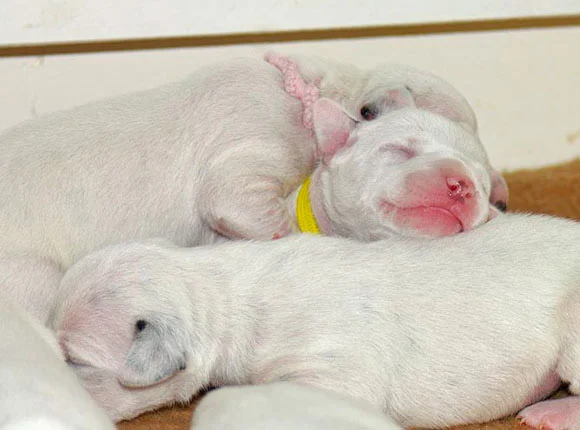
The Dalmatian is a hardy, easy to keep breed, though frequent brushing is needed to cope with the constant shedding. Dalmatians are clean, with no doggy odor. They often have large litters. Puppies are born completely white, with the spots developing late