Dogs
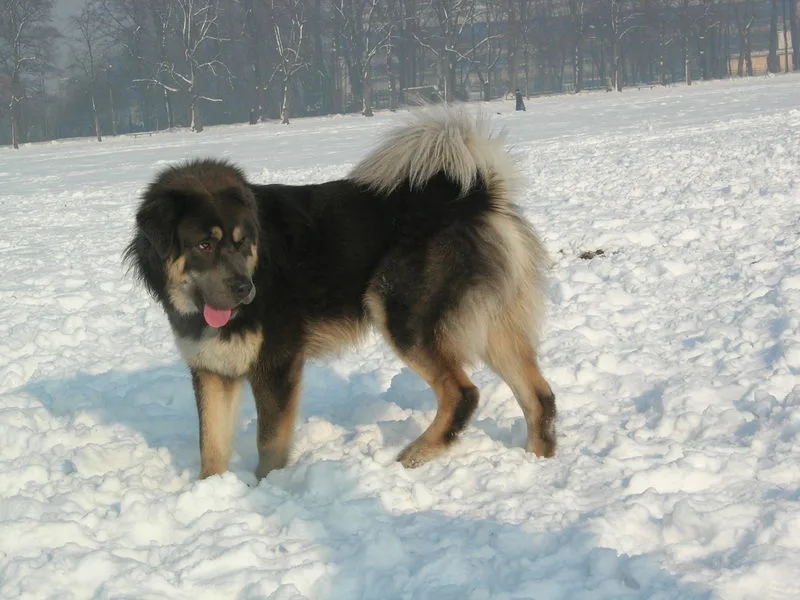
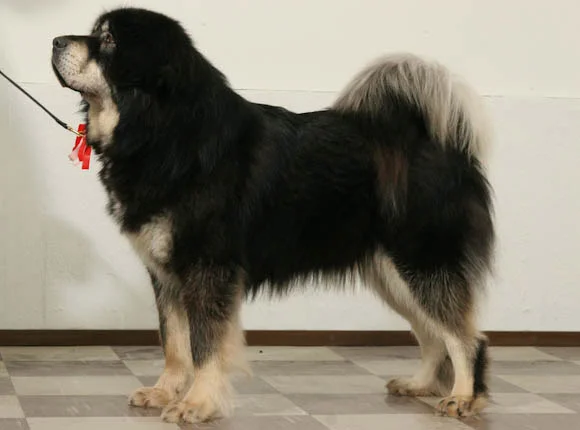
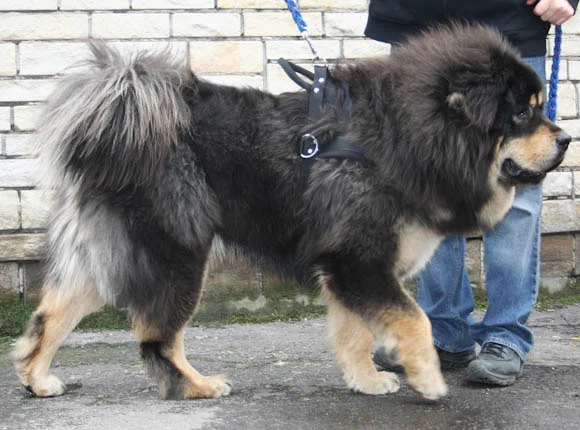
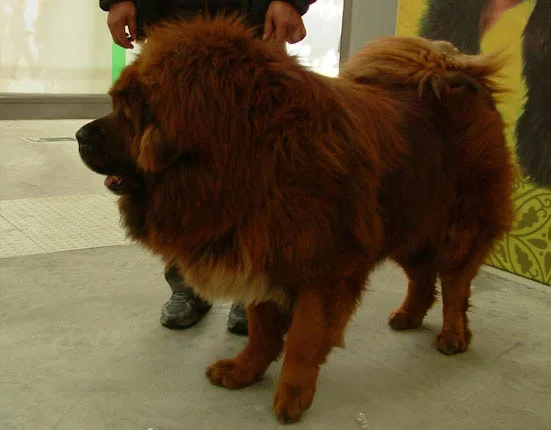
Do-Khyi
Other names: Bangara Mastiff, Mastim Tibetano, Mastin Tibetano, Dogue tibetano, Tibetan Mastiff, Do-Khyi, Tsang-khyi, Zang Ao
Watchdog, companion
- Size
- Large
- Height · Male
- 66–75 cm
- Height · Female
- 61–70 cm
- Weight · Male
- 62–72 kg
- Weight · Female
- 45–60 kg
- Life expectancy
- 10–12 years
- Litter
- 3–10 puppies
- FCI
- FCI group 2 · 2 · n.º 230
Traits
Activity
Social
At home
Care
Training
Guarding
Temperament
Independent. Protective. Commands respect. Most loyal to his family and territory.
History
The Tibetan Mastiff (Do Khyi) is an ancient working breed of the nomad herders of the Himalaya and a traditional guardian of the Tibetan monasteries. It has been surrounded by great myth since its first discovery in antiquity. From the mentioning by Aristoteles (384-322 b.C.) to the famous writings of Marco Polo, who went to Asia in 1271, all historical reports praise the natural strength and impressiveness of the Tibetan Mastiff- both physically and mentally. Even its bark has been described as a unique and highly treasured feature of the breed. Leading European cynologists of the past, like Martin and Youatt, Megnin, Beckmann, Siber as well as Strebel and Bylandt have intensively covered the Tibetan Mastiff, as they had been fascinated by its origin and function in the Tibetan culture. Some even considered the breed to be the very forefather of all large mountain and mastiff breeds. One of the first known Tibetan Mastiffs to reach Western shores was a male sent to Queen Victoria by Lord Hardinge (then Viceroy of India) in 1847. Later in the 1880s, Edward VII (then Prince of Wales) took two dogs back to England. An early recorded litter of Tibetan Mastiffs was born in 1898 in the Berlin Zoo.
Care
Tibetan Mastiffs should always have regular exercise, but it should be regulated as too much can cause problems with the joints due to his size. Regular walks should be sufficient, but he should have at least a medium sized yard.
Fenced yard, firm training, grooming, leash, and socialization.
Health
The Tibetan Mastiff has very little dog odor, but does blow his undercoat once a year making grooming a chore. Regular brushing should be performed during this stage. Weekly brushing otherwise should be sufficient.
Training
The training of this dog must be made be a person with a lot of experience in training and it must be firm, without being harsh, without hiting the dog, it should be calm, well-balanced to ensure that the master will reach the dog confidence and respect. It likes the long walks, but not other activitie,s having a medium level of activity
Coat & grooming
The fur of this dog needs a regular brush, and during the moulting period the brush must be more intense and daily.