Dogs
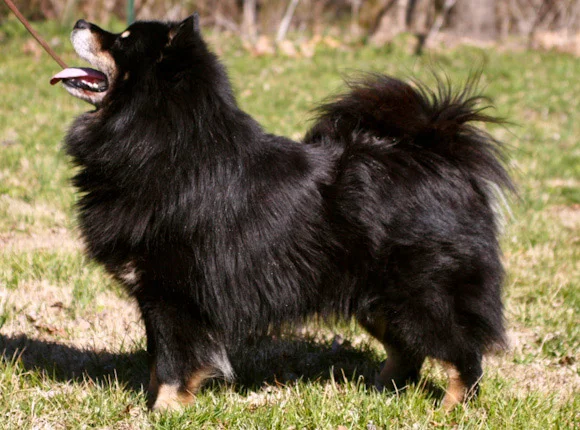
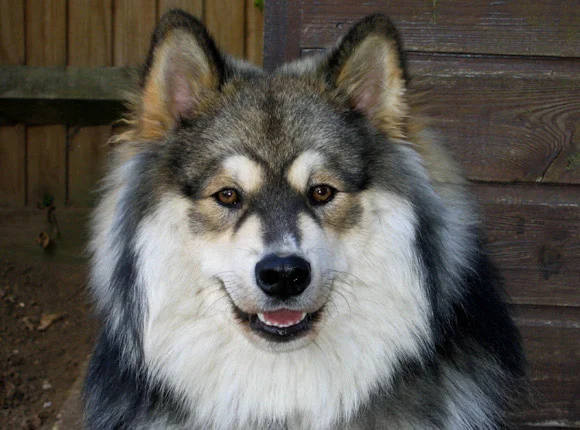
Finnish Lapphund
Other names: Finnish Lapphund, Lapinkoira, Suomenlapinkoira, Lapland Dog
Obedience, herding, agility, rally, therapy, tricks.
- Origin
- Finland
- Size
- Medium
- Height · Male
- 47–52 cm
- Height · Female
- 41–47 cm
- Weight · Male
- 16–20 kg
- Weight · Female
- 13–18 kg
- Life expectancy
- 12–15 years
- Litter
- 5 puppies
- FCI
- FCI group 5 · 5 · n.º 189
Traits
Activity
Social
At home
Training
Guarding
Temperament
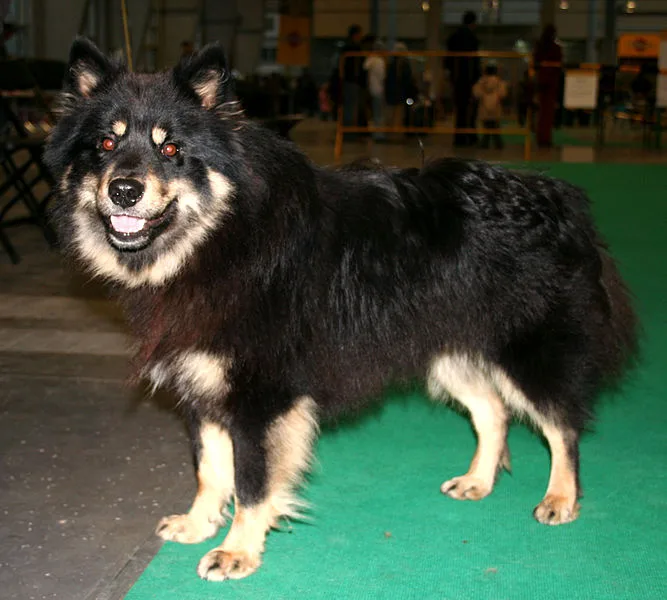
Keen, courageous, calm and willing to learn. Friendly and faithful.
History
For hundreds of years the Lapps have used dogs of the same type as Finnish Lapphund as reindeer herders and watchdogs in Fennoscandia and in the northern parts of Russia. Due to these dogs the first standard of the Lapponian Herder was established by the Finnish Kennel Club in 1945. The breed?s name was changed into Lapphund in 1967. In the 1970:s the type and picture of the breed became fixed and the standard has been specified several times. The breed name was again changed into Finnish Lapphund in 1993. The breed type has become stable in a short time and today the breed is very popular mainly as a house and hobby dog in the whole of Finland.
Care
This highly active breed requires an active owner. Finnish Lapphund's do best in a large securely fenced yard or a rural setting with room to roam and a job to do. The Finnish Lapphund excels in agility, obedience, fly-ball, search and rescue, and as therapy dogs.
Exercise, grooming, socialization and training.
Health
Regular brushing is required of the Finnish Lapphund breed. Special attention should be given to the coat during periods of heavy shedding. Bathing should only be done when absolutely necessary. This breed is relatively healthy although some are prone to cataracts and GPRA. They do best in colder climates.
Training
It is a dog which is easy to train and it is train with pleasure because is smart and eager to learn. With a consistent, gentle and varied training man can get good results, participating even in contests of agility and flyball.
Coat & grooming
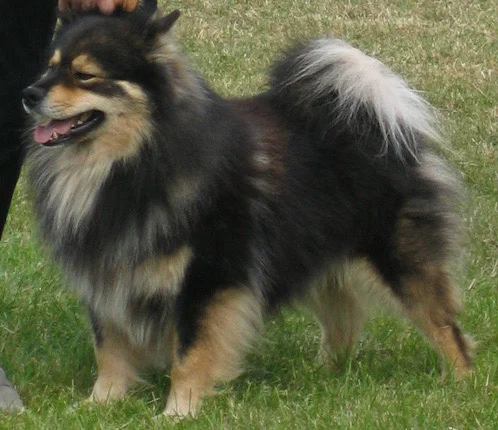
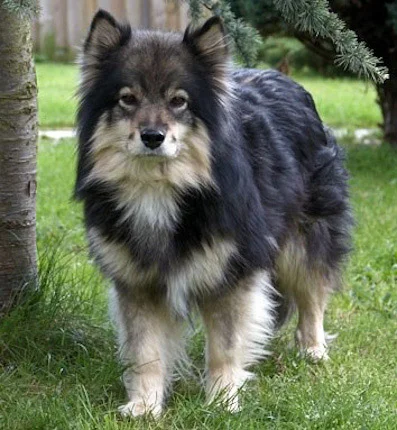
The fur will be brushed during the moulting period to remove the dead and deatached hair bristels.
Fun facts
The Lapphund's double coat allows him to withstand very cold temperatures, but the dog is very vulnerable to heat. Special care should be taken in warm climates to provide shade, water, and air conditioning. Lapphunds are prone to hereditary cataracts, PR