Dogs
Finnish Spitz
Other names: Finnish Spitz, Suomenpystykorva (Finnish cock-eared dog), Finsk Spets, Loulou Finnois, \"Finkie\" (England), Finnish Barking Bird Dog, Suomalainen Pistykorven, Finnish Hunting Dog, Suomalainen pystykorva\r\n
Tracking, herding, watchdog, guarding.
- Origin
- Finland
- Size
- Medium
- Height · Male
- 44–50 cm
- Height · Female
- 39–45 cm
- Weight · Male
- 12–13 kg
- Weight · Female
- 7–10 kg
- Life expectancy
- 12–14 years
- Litter
- 3–6 puppies
- FCI
- FCI group 5 · 5 · n.º 49
- AKC
- Non-Sporting Group · #141
Traits
Activity
Social
At home
Care
Training
Guarding
Temperament
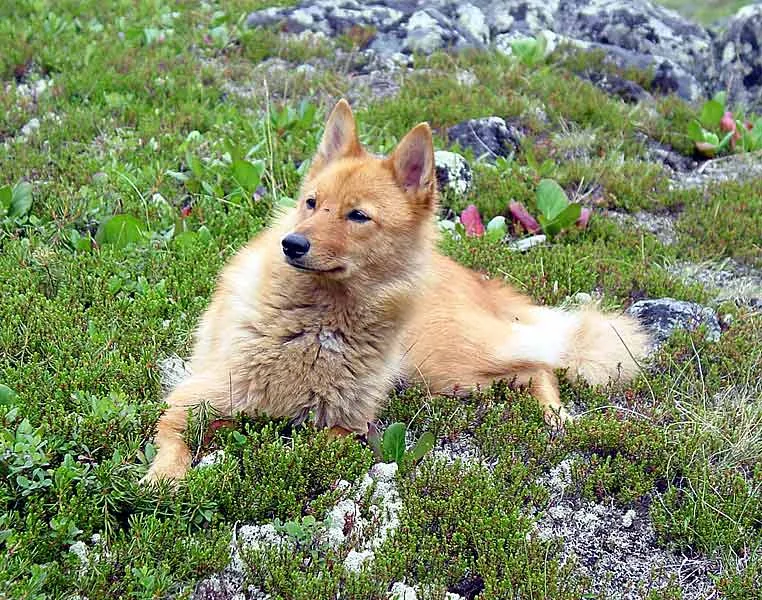
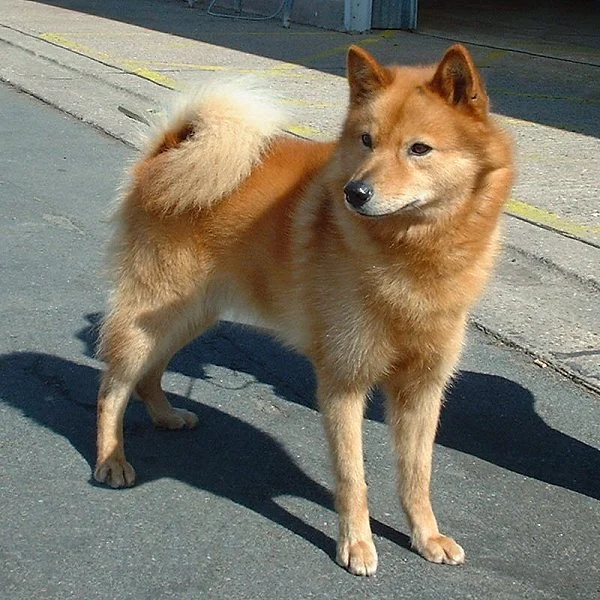
Active and friendly, lively and eager, faithful, brave but cautious. This breed is patient with children and tolerant of other household animals. They have a strong hunting instinct so they may chase smaller animals. This is an extremely intelligent breed which becomes very much a part of the family and is a dog which should be allowed to share with the family. However, this is not the breed for every family. Households where there is tension, harshness or loud bickering should not have a Finnish Spitz.
Care
This is an active and lively breed that needs daily exercise, either a long walk on leash or a run in a fenced area. As Finkies are hunters by nature, care must be taken that they do not go off on a hunt by themselves. The Finkie enjoys living indoors. His double coat needs brushing one or two times weekly, more often when shedding. He is not oily, so the Finkie has little doggy odor; in fact, the Finkie is a particularly clean breed.
Once matured they are great athletes and running companions. They are a slow maturing breed, however, and do not reach full emotional and physical maturity until they are four years old. We do not recommend hard exercise with your puppy until he is a year old when most of his structural growth has been completed. Three walks a day plus playing in the yard is enough to keep a Finnish Spitz happy. Playing with other dogs and catching balls are among its favorite activities.
Fenced yard, leash, socialization, and training.
Health
The Finnish Spitz is a meticulously clean dog, sometimes giving the impression that they groom themselves. They should be brushed weekly, especially during coat change and should only be bathed when needed. The Finnish Spitz is a natural (wash and wear) dog on whom no trimming should be done, except under the pads of the feet. Trimming the whiskers or sculpturing for the show ring is to be heavily penalized. Nails should be kept trimmed, ears and teeth cleaned. With an annual trip to the Veterinarian and proper shots, the Finnish Spitz can live a lively long life. A Finnish Spitz 13 - 15 years is not unusual. This dog loves to eat and will do his best to get extra goodies. He is a dog that can easily get overweight, which will cause health problems in the long run.
Training
It is an independent dog that does not always execute the orders and that's why is more difficult to train, but with patience, consistency, perseverance, an acceptable level in the training of this dog can be achieved.
Coat & grooming
The brushing is made only occasionally, because the fur is cleaning more by itself at this dog.
Fun facts
This breed is called the "barking bird dog" of Finland; in contests these dogs have been known to bark up to 160 times a minute! The Finnish Spitz has been bred for centuries to emphasize the barking behavior. He also makes many other vocalizations, so if
Finnish Spitz breeders
All breeders →No verified breeders for this breed yet. Are you a breeder? Register.
Looking for more breeders? Ask the Clube Português de Canicultura (CPC) for the list of registered breeders of your breed. Visit, meet the parents and ask for health tests.