Dogs
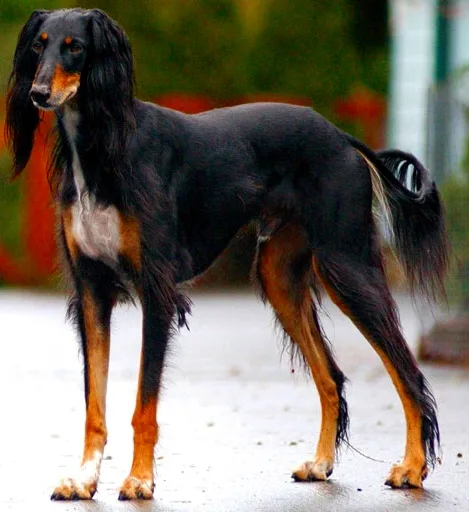
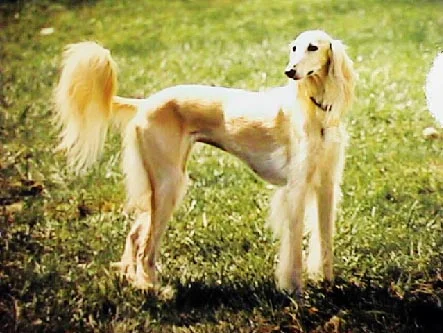
Fringed Saluki
Hunting, sighting, tracking, watchdog, racing, lure coursing.
- Origin
- Middle East
- Size
- Large
- Height · Male
- 58–71 cm
- Height · Female
- 58–1 cm
- Weight · Male
- 20–30 kg
- Weight · Female
- 20–30 kg
- Life expectancy
- 10–15 years
- Litter
- 5–7 puppies
- FCI
- FCI group 10 · 10 · n.º 269
- AKC
- Hound Group · #110
Traits
Activity
Social
At home
Care
Training
Guarding
Temperament
Reserved with strangers, but not nervous or aggressive. Dignified, intelligent and independent.
History
Salukis vary in type and the variation is desired and typical for the breed. The reason for the variation is the special place held by the Saluki in the Arab tradition and the immense size of the Middle East area where the Saluki has been used as a hound of the chase for thousands of years. Originally each tribe had Salukis best suited for hunting the particular game in its own area, but by Middle East tradition, Salukis are not bought or sold but presented as marks of honour. It follows that those presented as such to Europeans and brought to Europe came from a wide variation of terrain and climate and vary accordingly. The British 1923 standard was the first official European breed standard for the Saluki and was drawn up to cover all these original types of Saluki.
Care
Salukis are a high-energy breed and natural athlete. They require a great deal of exercise. They are not suited for apartment living. Although they are somewhat inactive indoors, it is of vital importance the Saluki be given room to run. Yards must be highly and securely fenced and the Saluki must be kept stimulated. If they become bored they will dig. The Saluki must be securely leashed when on walks. The highest danger to this breed is the possibility of being hit by a vehicle. The hunting instinct may lead them to give chase to anything they perceive as prey. The Saluki is capable of reaching speeds of up to 50 mph., and while at full run they will not respond to their master.
Attention, exercise, socialization, a fence and training.
Training
The training of this dog must be done by a person with experience, because it is not very submissive. With a firm, consequent training, without being hard or severe, good results can be achieved.
Coat & grooming
The fur of this dog needs a casual brushing, more powerful in the areas with longer hair. The ears must be kept clean.