Dogs
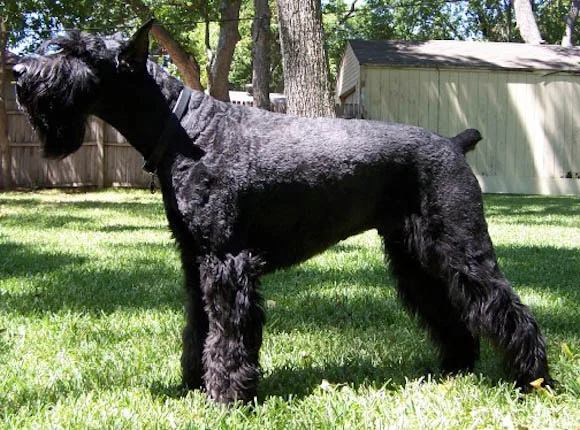
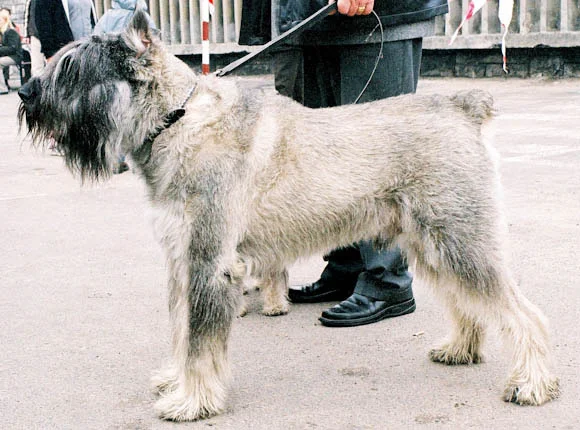
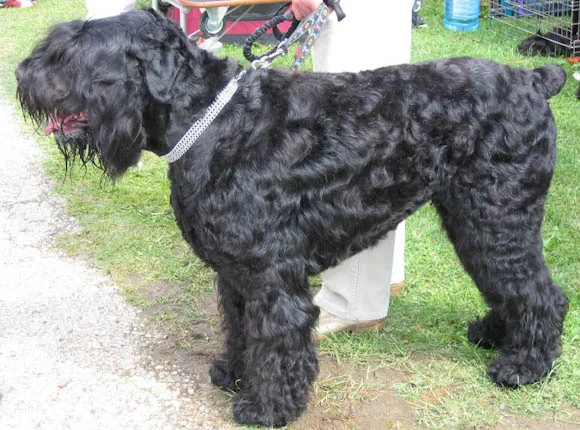
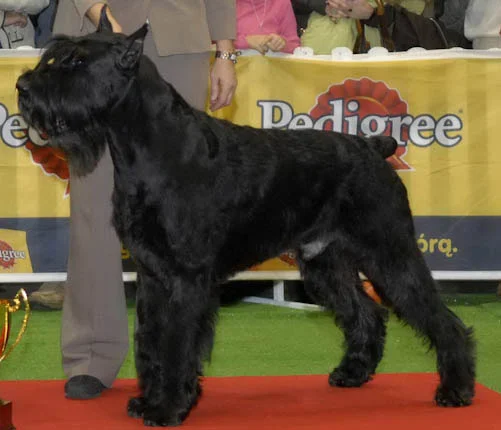
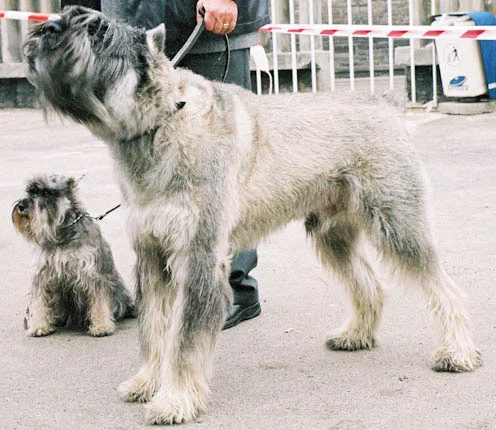
Giant Schnauzer
Other names: Giant Schnauzer, Riesenschnauzer, Russian Bear Schnauzer
Tracking, watchdog, guarding, police work, military work, competitive obedience, agility, Schutzhund.
- Origin
- Germany
- Size
- Large
- Height · Male
- 60–70 cm
- Height · Female
- 60–70 cm
- Weight · Male
- 35–47 kg
- Weight · Female
- 35–47 kg
- Life expectancy
- 10–12 years
- Litter
- 5–8 puppies
- FCI
- FCI group 2 · 2 · n.º 181
- AKC
- 1+2 Working Group 3 Terrier Group · #82
Traits
Activity
Social
At home
Care
Training
Guarding
Temperament
Typical characteristics of this dog are his good natured, even temperament and his incorruptible loyalty towards his master. He has highly developed sense organs, intelligence, trainability, strength, endurance, speed, resistance to weather and diseases. His inborn ability to bear strain and his self assurance make him best suited for being a companion, sporting, utility and working dog.
History
Originally the Giant Schnauzer was used in the region of Southern Germany to drive cattle. Around the turn of the century, determined breeders realised that he had outstanding working capabilities and particularly valuable traits in character. Since 1913 the breed has been registered in a stud book, and in 1925 already the Giant Schnauzer has officially been recognised as a working dog.
Care
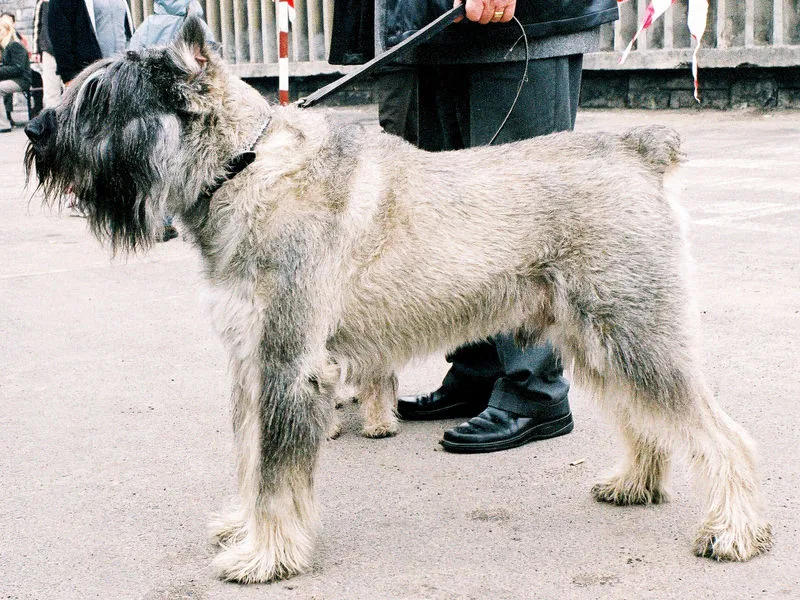
The giant schnauzer needs daily exercise and fun. His exercise requirements can be met with vigorous games and long hikes or walks. He does best when allowed to divide his time between house and yard. His harsh coat needs combing once or twice weekly, plus shaping two to four times yearly. Shaping is best done by professional scissoring and hand-stripping, but clipping is acceptable for pets.
The Giant Schnauzer requires an inordinate amount of vigorous exercise. They thrive on being given something to do and enjoy family play sessions. This breed is not recommended for apartment dwelling. Giant Schnauzers do best with plenty of acreage where they are able to run freely.
Exercise, positive training, professional grooming and socialization.
Health
The Giant Schnauzer requires weekly brushing and combing to keep the under coat free of mats and tangles. They need to be professionally clipped all-over four times per year. The hair around the eyes and ears must be kept trimmed and their whiskers cleaned after meals. Bathing or dry shampooing should be done when necessary. This breed is prone to cancer, bloat, hip dysplasia, and epilepsy.
Training
It needs a correct, consistent and varied training, made by a skilled person. It must beed socialized since an early age with children, other animals and other dogs. It loves the exercises and feels the necessity of activity.
Coat & grooming
Because the Giant Schnauzer is not moulting, the hair of this dog must be trimmed 2-3 times/year. The hair increased in excess in ears and between the pads of the legs must be removed. The beard and the moustaches will be combed frequently, for not tangling itself and for not getting the hair in eyes.
Fun facts
Good with children - very reliable. If properly trained, the Giant Schnauzer makes a fine pet. The coat needs a good brushing once a week and clipping or stripping 4 to 6 times a year. Pet dogs are generally clipped, but show dogs may be stripped. This br