Dogs
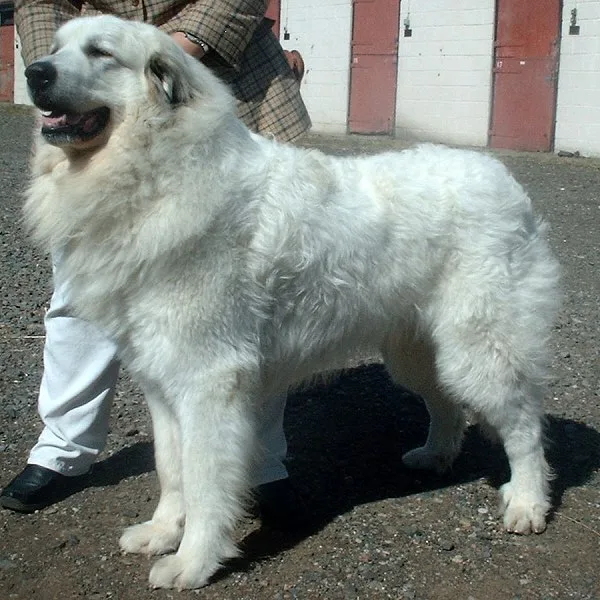
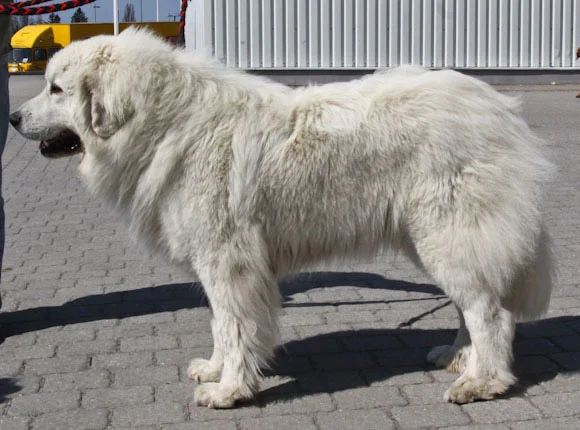
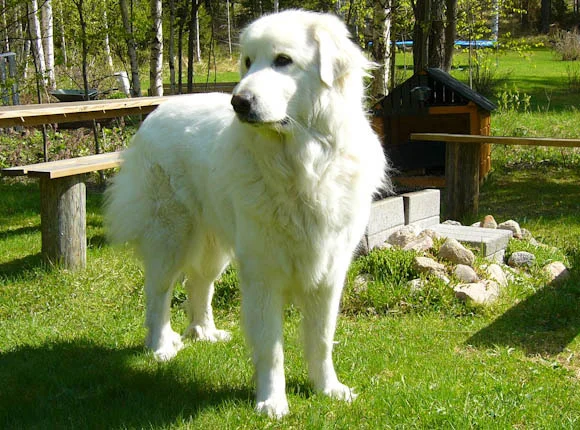
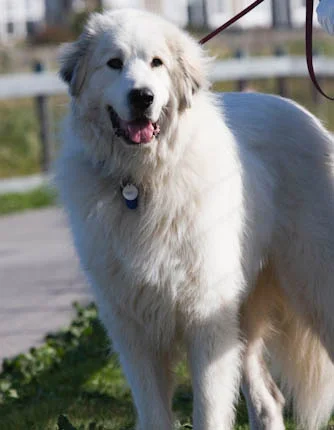
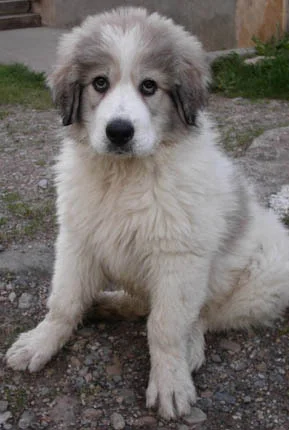
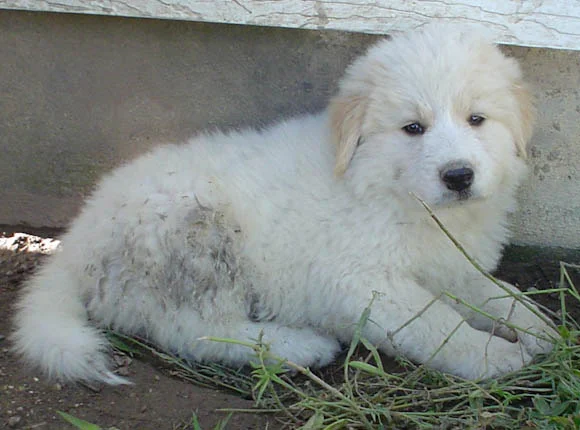
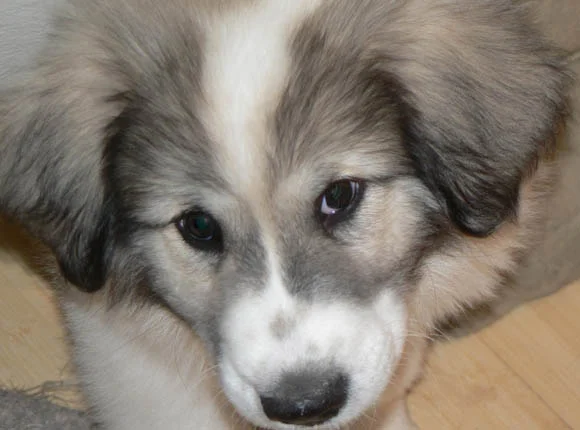
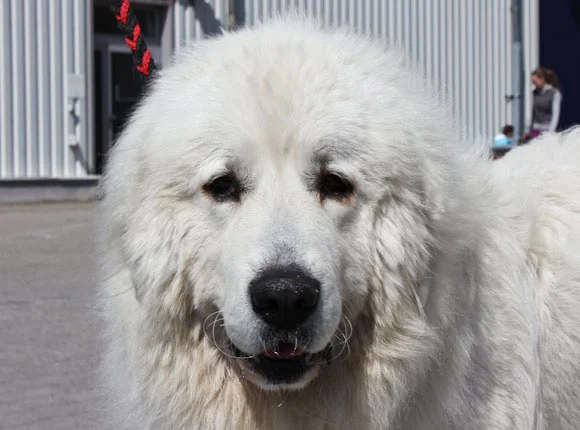
Great Pyrenees
Other names: Pyrenean Mountain Dog, Chien des Pyrenees, Chien de Montagne des Pyrenees, Pirinéu Montanhês, Grande Pirinéu, Cão dos Pirinéus
Watchdog, guarding, therapy dog, sledding, carting
- Origin
- France
- Size
- Giant
- Height · Male
- 70–80 cm
- Height · Female
- 65–75 cm
- Weight · Male
- 50–60 kg
- Weight · Female
- 41–50 kg
- Life expectancy
- 10–12 years
- Litter
- 6–10 puppies
- FCI
- FCI group 2 · 2 · n.º 137
- AKC
- Working Group · #52
Traits
Activity
Social
At home
Care
Training
Temperament
Used on its own to guarantee the protection of flocks from attacks by predators, its selection depended on its aptitude for guarding and dissuading as much as on its attachment to the flock. The resulting main qualities are strength and agility, allied to gentleness and attachment to those it is protecting. This protecting dog has a propensity for independence and a sense of initiative which demand a certain degree of authority from its owner.
History
Present in the Pyrenees from time immemorial, known in the Middle Ages and used as a guardian of castles, it is mentioned by Gaston Phoebus in the 14th century. Already appreciated as a companion dog in the 17th century, it reached glorious heights at the court of Louis XIV. The first detailed description of this breed dates from 1897 in the book by Count de Bylandt. Ten years later the first breed clubs were set up and in 1923 the Réunion of Pyrenean Dog Fanciers ( Réunion des Amateurs de Chiens Pyrénées ? R.A.C.P.), at the instigation of Mr Bernard Sénac-Lagrange, registered the official standard with the SCC (Société Centrale Canine, French K.C.) the current standard is still very close to the standard worked out in 1923, only a few clarifying amendments having been made.
Care
The Great Pyrenees needs daily exercise to stay in shape, though her needs are not excessive. A moderate walk will usually suffice. She enjoys hiking, especially in cold weather and snow. She does not do well in hot weather. This breed enjoys being with her family indoors. Her coat needs brushing once or twice weekly, daily when shedding. She may drool at times, and she tends to be a messy drinker.
The Great Pyrenees does not do well in apartment life, and should always have a medium to large sized yard. Regular runs off lead are best for this large dog, but supervised walks will also do.
Fenced yard, leash, training and socialization.
Health
Shedding heavily once a year, the Great Pyrenees requires much maintenance during this period. Regular brushing is always necessary with a medium to long haired breed, and should be brushed all the way to the undercoat to prevent matting. Occasional baths are acceptable.
Fun facts
To avoid hip dysplasia, which is fairly common in the breed, be sure to buy from x-rayed and OFA cleared stock. The more relatives of the sire and dam have cleared hips, the less likely your dog will experience this potentially crippling problem. Some lin