Dogs
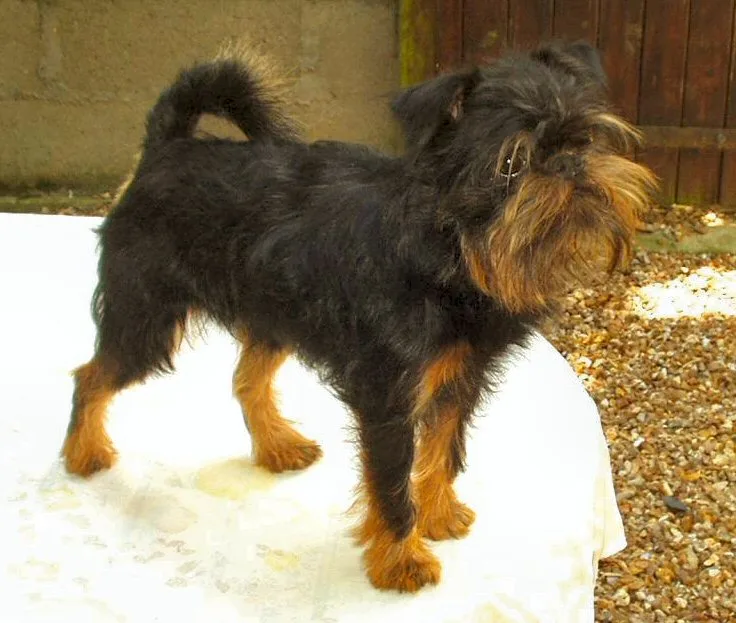
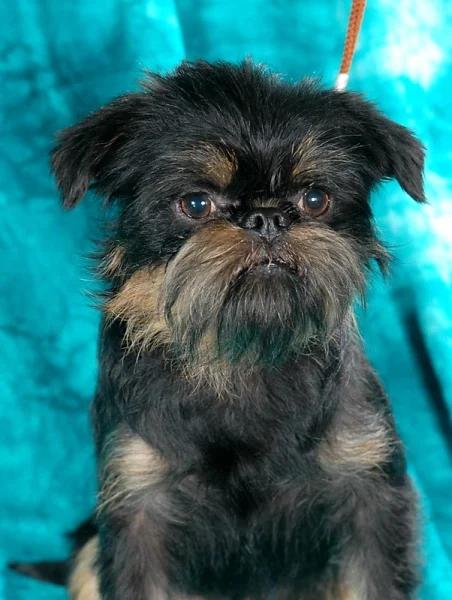
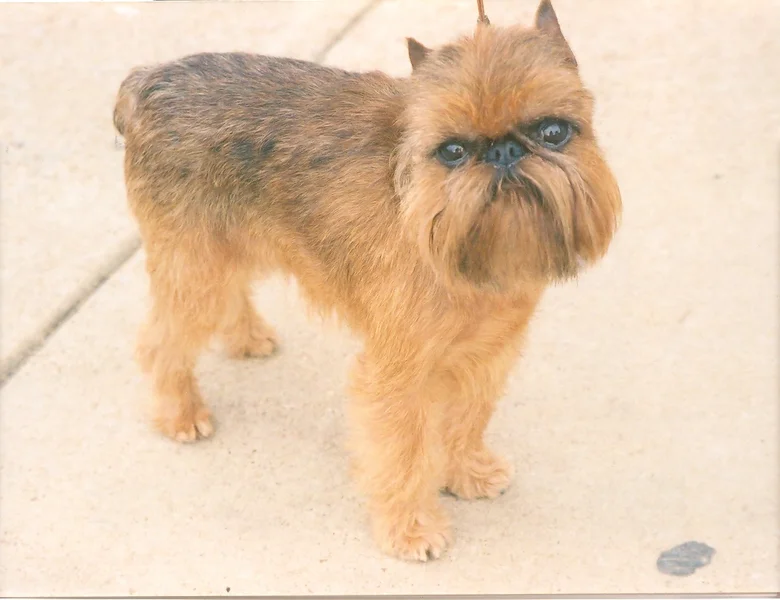
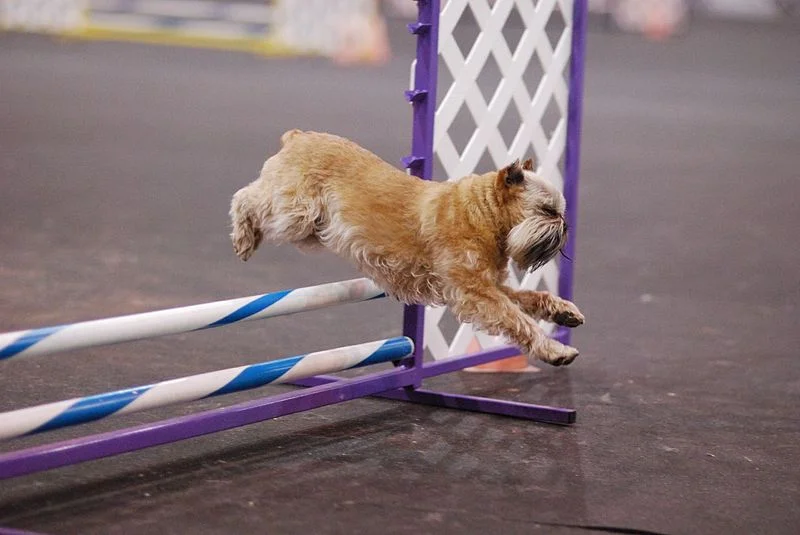
Griffon belge
Other names: Griffon Belge, Belgian Griffon, Belgischer Griffon, Grifo Belga
- Origin
- Belgium
- Size
- Small
- Height · Male
- 29–32 cm
- Height · Female
- 26–28 cm
- Weight · Male
- 4–6 kg
- Weight · Female
- 3–5 kg
- Life expectancy
- 12–15 years
- Litter
- 1–3 puppies
- FCI
- FCI group 9 · 9 · n.º 81
Traits
Activity
Social
At home
Care
Training
Guarding
Temperament
Cheerful, friendly, and sometimes moody, this breed can be fairly picky. As with many smaller breeds, the Brussels Griffon can be difficult to housebreak but with consistency, will do just fine. Being that this is a willful and high-strung breed, a gentle but firm handler would work best with training.
History
The three breeds (Griffon Bruxellois, Griffon Belge and Petit Brabançon) all descend from a small rough-coated dog called a ?Smousje?, which for centuries has been found in the Brussels area.
In the 19th century, bringing in blood-lines from the Ruby King Charles Spaniel and the Pug produced the short black coat and fixed the current breed type. These little dogs are very alert and were bred to guard carriages and keep stables free from rodents.
In 1883 the first Griffon Bruxellois were registered at L.O.S.H. (The St.Hubert stud book). They were Topsy (L.O.S.H. nr.163) and Foxine (L.O.S.H. nr.164). By about 1900 they had become very popular, together with other breeds, thanks to the royal interest shown in them by Queen Marie-Henriette of Belgium. Many specimens were exported abroad and helped the spread and popularity of the breed.
Care
The Brussels griffon is an active breed, always on the lookout for action. He needs daily mental and physical stimulation, but his small size makes such stimulation possible with a robust indoor game. He also enjoys a short walk on leash. This breed cannot live outside, although he appreciates the opportunity to spend time in the yard. The rough coat needs combing two or three times weekly, plus shaping by stripping every three months. Grooming for the smooth coat is minimal, consisting only of occasional brushing to remove dead hair.
A lively and hyperactive breed, they still do not require much activity. The Brussels Griffon gets most of his exercise in the home. This dog does enjoy short walks and will do just fine without a yard.
Health
Shedding very little, this breed does need a lot of maintenance on the coat. Daily brushing should keep the coat shiny, clean, and prevent any matting or tangles. The beard around the mouth area should be cleaned regularly to prevent and caking.
Training
With a well ballanced, varied, gentle traning the desired results can be obtained, because they are inteligent dogs and eager to learn.
Coat & grooming
The wiry fur of the Griffon should be trimmed by hand at equable intervals, leaving moustache, beard and the rest of the hair from the face to grow by itself. Whiskers and beard should be cleaned of food scraps and not to tangle. Also, it is required to remove the hair from the eyes nooks, not to prick the eyes.
Griffon belge breeders
All breeders →No verified breeders for this breed yet. Are you a breeder? Register.
Looking for more breeders? Ask the Clube Português de Canicultura (CPC) for the list of registered breeders of your breed. Visit, meet the parents and ask for health tests.