Dogs
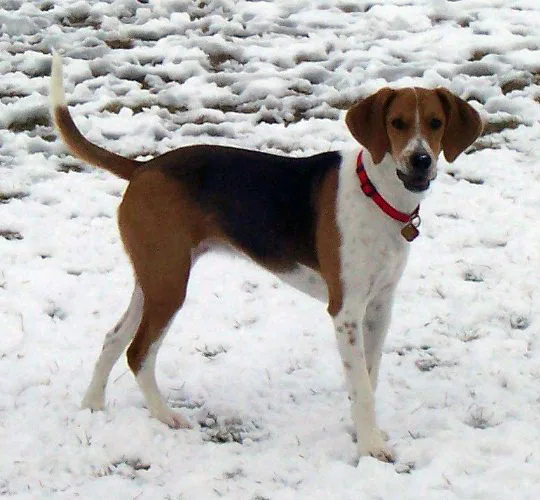
Harrier
Hunting, tracking, watchdog, agility, therapy.
- Origin
- Great Britain
- Size
- Medium
- Height · Male
- 48–55 cm
- Height · Female
- 48–55 cm
- Weight · Male
- 18–27 kg
- Weight · Female
- 18–27 kg
- Life expectancy
- 10–13 years
- Litter
- 7–8 puppies
- FCI
- FCI group 6 · 6 · n.º 295
- AKC
- Hound Group · #149
Traits
Activity
Social
At home
Care
Training
Guarding
Temperament
The Harrier breed is tolerant, good-natured, and cheerful. As a pack dog they get along well with other dogs but are not recommended for homes with non-canine pets. They do well with children. The Harrier will become destructive and bay or howl incessantly if bored or lonely. They are very sociable, but typically bond more closely to other dogs than they do to people. Harrier's are often reserved with strangers.
Care
The Harrier breed is not recommended for apartment or city living. They require an inordinate amount of exercise, interaction, and stimulation. They do best in a rural setting with plenty of room to roam.
Exercise, fenced yard, leash and training.
Health
The Harrier requires a minimal amount of grooming. Regular brushing to remove loose and dead hair is required. Bathing should be done when necessary. It is important to check the ears, paw pads, and nails regularly. Harrier's are prone to cataracts, hypothyroidism, and hip dysplasia.
Fun facts
The Harrier can become a nuisance if he doesn't have enough outdoor space and exercise. Country environments are best. Prefers life in a pack or people, dogs or both. Likes to go exploring - be sure to keep on leash or in a safe, enclosed area. The Harrie