Dogs
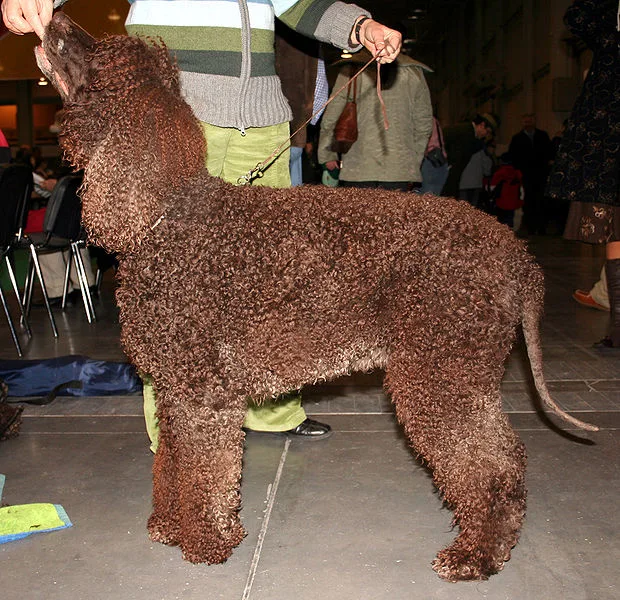
Irish Water Spaniel
Other names: Irish Water Spaniel, Whiptail, Shannon Spaniel, Rat Tail Spaniel, Bog Dog
Hunting, tracking, retrieving, watchdog, agility, competitive obedience.
- Origin
- Ireland
- Size
- Large
- Height · Male
- 53–59 cm
- Height · Female
- 51–56 cm
- Weight · Male
- 24–26 kg
- Weight · Female
- 22–24 kg
- Life expectancy
- 10–12 years
- FCI
- FCI group 8 · 8 · n.º 124
- AKC
- Non-Sporting Group · #130
Traits
Activity
Social
At home
Care
Training
Guarding
Temperament
Irish Water Spaniels are highly intelligent, confident, and devoted. They demand attention and are a "whole family" dog. This is a breed that truly enjoys human contact. They are best suited for families with older considerate children. If properly introduced, they will get along well with other pets. They are generally quiet and bark only when necessary. The Irish Water Spaniel is protective, reserved, and wary with strangers. However, they are not aggressive. This breed displays a joyous exuberance and zest for life.
History
The exact origins of the breed remain obscure. Generally it is thought that Water Spaniels evolved from dogs that originated in Persia and came to Ireland via Spain. The first Irish reference to ? water dogs that pursue water fowl? dates from 1600, so we know that dogs with waterproof coats were used in Ireland even before the advent of the fowling piece. There is no real evidence of the ancestry of the Irish Water Spaniel except in its most peculiar feature-the rat tail. This feature appears in no similar dog and makes it very likely that the modern breed had an indigenous Irish ancestor. The tail has given rise to the names ? Whip Tail? and ? Rat Tail?. In any event the descendants of these dogs were accepted and achieved great success on show benches in the second half of the 19th century. In 1890 the Irish Water Spaniel Club was formed to promote the interests of the breed.
Care
This active, athletic, inquisitive breed needs lots of mental and physical exertion to keep him from becoming frustrated or bored. An hour of free running or strenuous playing a day is necessary to satisfy his needs. Obedience work can also be helpful in giving him the mental challenges he enjoys. The curly coat needs brushing and combing two to three times a week, plus scissoring every few months. Like all dogs, he loses his coat periodically; however, the hairs tend to become trapped in the other hairs rather than fall off. If not combed out, they will form mats and cords.
The Irish Water Spaniel requires an inordinate amount of daily exercise. They enjoy swimming, retrieving, family activities, hunting, and a long walk. This breed is not recommended for apartment dwelling. Their love of the outdoors makes them better suited for the country or suburbs. They do best with a large yard.
Health
This breed is high maintenance and requires extensive grooming. To prevent matting they must be brushed daily. Regular professional trimming of the coat is an absolute must. Bathing should only be done when necessary using a mild shampoo to protect the natural oil of the coat. The Irish Water Spaniel is prone to elbow and hip dysplasia, hypothyroidism, and eye problems. This breed may slobber and drool.
Training
It is reccommended that the training of this dog to be made since an early age by a person with experience and authority. The training must be firm, consistent, well-balanced, varied, confident to get the wanted results.
Coat & grooming
The fur must not be brushed too often and not too much, for not becoming fluffy. If this happens, it must be washed or brought to swim to recover the curls. If it is necessary, the fur will be trimmed by a specialist. The hair bristles don't fall to these dogs. It is not predisposed to hereditary diseases.
Fun facts
Beware of hip dysplasia, hypothyroidism and eye entropion. Be sure parents have been OFA certified and checked for thyroid problems. Avoid timid puppies. May have ear infections. A lot of care in grooming is needed as the coat can tend to mat. Skilled tri