Dogs
Kishu
Other names: Kishu-Ken, Kishu-Inu
hunting, companion
- Origin
- Japan
- Size
- Medium
- Height · Male
- 49–55 cm
- Height · Female
- 43–49 cm
- Weight · Male
- 20–25 kg
- Weight · Female
- 20–25 kg
- Life expectancy
- 11–13 years
- Litter
- 3 puppies
- FCI
- FCI group 5 · 5 · n.º 318
Traits
Activity
Social
Training
Guarding
Temperament
Dog of noteworthy endurance, showing nobility, dignity and naive feeling. The temperament is faithful, docile and very alert.
History
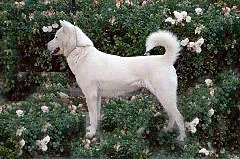
This breed originated from medium-sized dogs that existed in Japan in ancient times. It became established as a breed in the mountainous districts in Kishu (Wakayama and Mie Prefecture). Initially, these dogs?coats were often marked with conspicuous colours such as red, sesame or brindle. From 1934, however, only solid colours were accepted for this breed; conspicuously marked coats had disappeared by 1945, never to reappear. Currently, white coats may be found in this breed.
These dogs are used for hunting, now mainly wild boar, but at one time also deer. The breed took on the name of the region where it was bred. It was designated as a « natural monument » in 1934.
Care
The Kishu Ken is not recommended for apartment living. They require regular exercise and do best with a large securely fenced yard or rural setting. They enjoy and thrive on family interaction, jogging, hiking, walking, and herding.
Exercise, fenced yard, leash, socialization and training.
Health
Kishu Ken's require weekly brushing with a firm bristle brush to keep the coat free of matting. Special attention should be given during the seasonal heavy shedding. Bathing should be done when necessary. It is important to regularly trim the nails and check the ears often for debris. Due to the rarity of this breed there are no known health issues.