Dogs
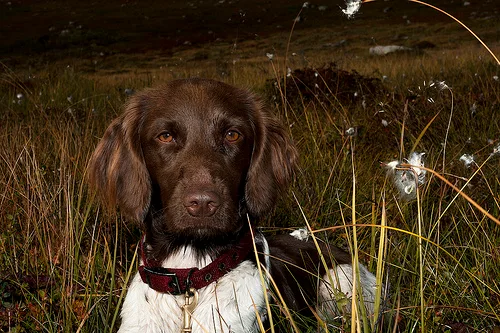
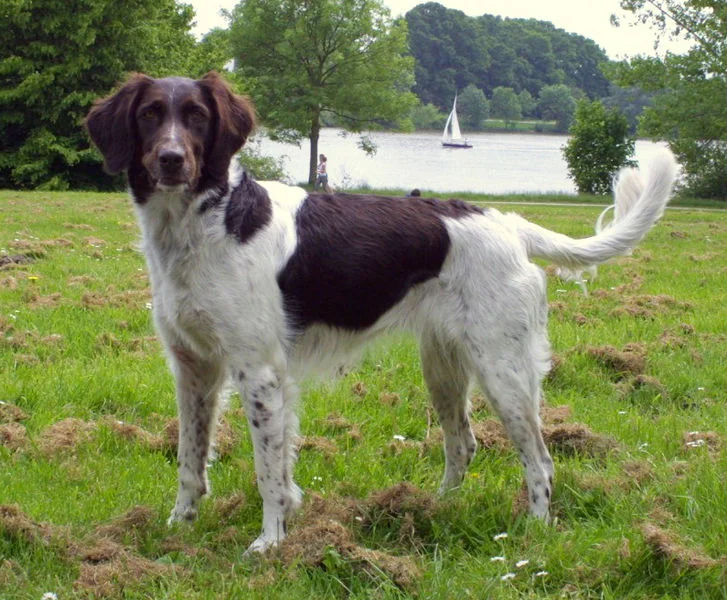
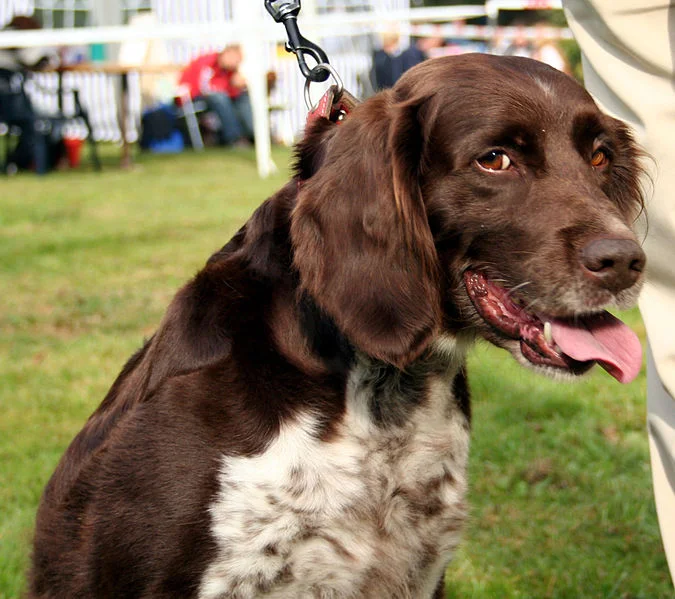
Kleiner Munsterlander
Other names: Kleiner Munsterlander, Munsterlander, Vorstehhund, Small Munsterlander Pointer, Moonster , Kleiner Munsterlander Vorstehhund
hunting, companion
- Origin
- Germany
- Size
- Large
- Height · Male
- 52–56 cm
- Height · Female
- 50–54 cm
- Weight · Male
- 20–25 kg
- Weight · Female
- 17–20 kg
- Life expectancy
- 12–14 years
- Litter
- 6–8 puppies
- FCI
- FCI group 7 · 7 · n.º 102
Traits
Activity
Social
At home
Training
Guarding
Temperament
N/A
History
The development of the Small Munsterlander is hidden somewhere in the middle of the 19th century. After the change of the German hunting law, with the increasing number of hunters and hunting enthusiasts and the systematic cultivation of the game stock the breeding of new German Pointing Dogs began. There are reports saying that around 1870 longcoated ?Wachtelhunds? (German Spaniels) were well known in the Munsterland region. These dogs were firm in pointing, they had enormous scenting abilities and were also able to retrieve. In the year 1906 the well known heath poet Hermann Löns took care of the matter: He put a public appeal into the magazin ?Unser Wachtelhund? to give him a report on the still existing specimens of the red Hanovarian Heath Hound. However, instead of that he and his brothers discovered a pointing Wachtelhund on the farms, that they called ?Heidewachtel?. Apart from the Löns brothers, well known dog men like for example the Baron of Bevervörde-Lohburg put efforts into getting a reasonable breeding stock in other regions as well. Mr. Heitmann, a teacher from Burgsteinfurt, achieved first success with his line breeding. Several other breeding families, known as the so-called ?Dorsten type?, appeared during the following years in Westphalia. On March 17, 1912, the ?Verband für Kleine Münsterländer Vorstehhunde? (Club for Small Munsterlander Pointing Dogs) was finally founded. At that time this Club expressed its aims as follows: ? The Club pursues the purpose to promote the purity and the true breeding of the longcoated small pointing dog that has been bred in the Munsterland for many decades.? The lack of the fixed breed characteristics at that time inhibited the breeding activities as well as the Club activities. From 1921, the breeders finally followed the breed standard that had been drawn up by Mr. Friedrich Jungklaus. Nevertheless, the true origin of the dogs of that time is not exactly proved.
Care
N/A
Exercise, grooming and training.
Health
There have been a few instances of hip dysplasia. This breed is very healthy.
Training
This dog is obedient, it wants to make pleasure to its master and therefore it is easy to train. With a gentle but consistent training man can get good results.
Coat & grooming
The fur of this dog must be brushed regulary not to get tangled, to save the pleasent look.