Dogs
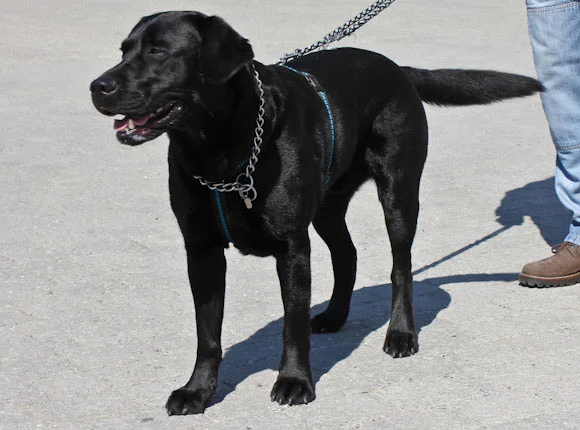
Labrador Retriever
Other names: Labrador
Hunting, tracking, retrieving, watchdog, police work, narcotics detection, search & rescue, carting, agility, competitive obedience, service, therapy.
- Origin
- Canada
- Size
- Large
- Height · Male
- 56–57 cm
- Height · Female
- 54–56 cm
- Weight · Male
- 37–40 kg
- Weight · Female
- 35–38 kg
- Life expectancy
- 10–12 years
- Litter
- 7–8 puppies
- FCI
- FCI group 8 · 8 · n.º 122
- AKC
- Non-Sporting Group · #1
Traits
Activity
Social
At home
Care
Training
Guarding
Temperament
This breed is highly intelligent, loyal, and deeply devoted. The Labrador Retriever is reliable, affectionate, and thrive on human companionship and attention. They are absolutely wonderful with children and get along exceedingly well with other dogs. They may be reserved with strangers and make good watchdogs. If this breed is left alone for extended periods of time without attention or stimulation they will become lonely, bored, and destructive.
History
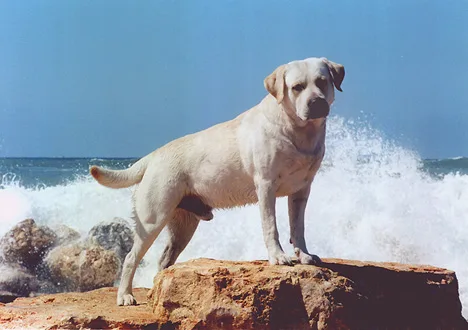
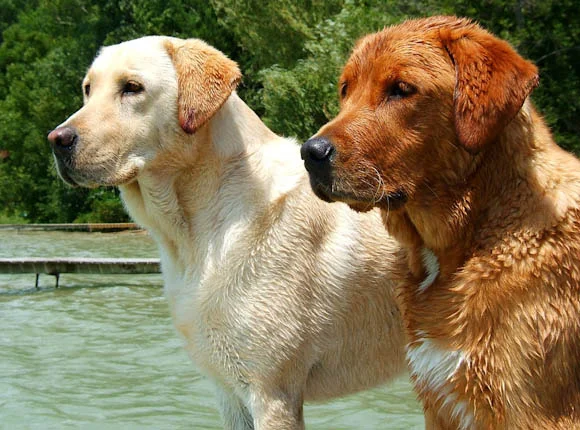
It is popularly thought that the Labrador Retriever originated on the coast of Newfoundland where fishermen were seen to use a dog of similar appearance to retrieve fish. An excellent water dog, his weather-resistant coat and unique tail, likened to that of an otter because of its shape, emphasise this trait.
Comparatively speaking, the Labrador is not a very old breed, its breed club having been formed in 1916 and the Yellow Labrador Club having been founded in 1925. It was in field trialling that the Labrador found early fame, having been originally introduced to these shores in the late 1800s by Col Peter Hawker and the Earl of Malmesbury. It was a dog called Malmesbury Tramp which was described by Lorna, Countess Howe as one of the ?tap roots? of the modern Labrador.
Care
Labradors are active and sociable dogs. They need daily exercise, preferably in the form of retrieving and swimming. Labrador parents with swimming pools either must fence them out or be prepared to share the pool with dog. The Lab coat sheds water easily and needs weekly brushing to remove dead hair. Labs are much happier indoors with their family.
Delightful, high-spirited, and energetic, the Labrador Retriever requires a great deal of exercise. They enjoy family play sessions, securely leashed walks, swimming, and a safely fenced yard to run and romp freely. This breed will do okay in an apartment dwelling provided they are given sufficient exercise, attention, and stimulation.
Exercise and training.
Health
The Labrador Retriever requires regular grooming with a firm bristle brush. Special care should be given to the under coat to prevent mats and tangles. Bathing or dry shampooing should only be done when absolutely necessary. Labrador Retrievers are prone to elbow and hip dysplasia, eye disorders, and PRA.
Training
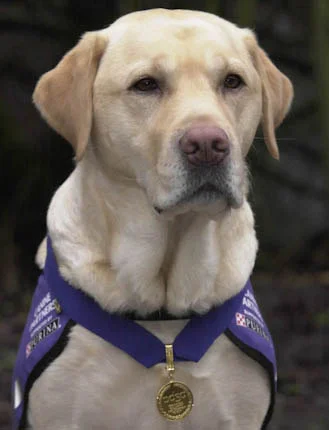
It is an intelligent dog which learns easily and likes to work for its master. The training must be as varied as possible, because it can learn a lot, in different domains such as rescue operations, searching, helping the blind people, but it has very good results in training competitions. This dog reaches the maturity harder both physically and mentally.
Coat & grooming
The fur of this dog must be brushed regularly, but especially during the moulting period.
Fun facts
The Labrador is a generally healthy and robust breed. Beware of hip dysplasia, PRA, and eye disorders. Buy only from OFA and CERF certified stock. Can become destructive if left too much to his own devices. A big eater, the Labrador needs regular exercise