Dogs
Leonberger
Other names: Gentle Lion, Leo
Tracking, herding, watchdog, therapy dog, search & rescue, water rescue, sledding, carting, agility, competitive obedience.
- Origin
- Germany
- Size
- Giant
- Height · Male
- 72–80 cm
- Height · Female
- 65–75 cm
- Weight · Male
- 30–36 kg
- Weight · Female
- 25–30 kg
- Life expectancy
- 8–10 years
- Litter
- 6–14 puppies
- FCI
- FCI group 2 · 2 · n.º 145
Traits
Activity
Social
At home
Training
Guarding
Temperament
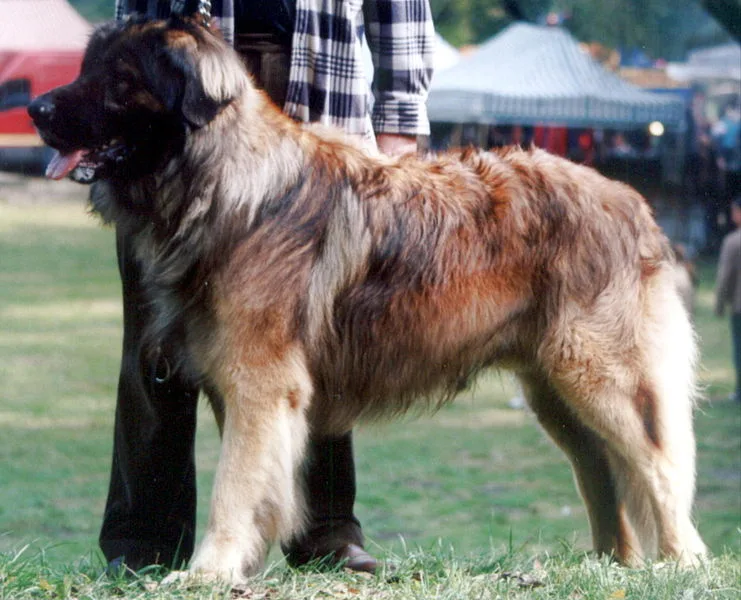
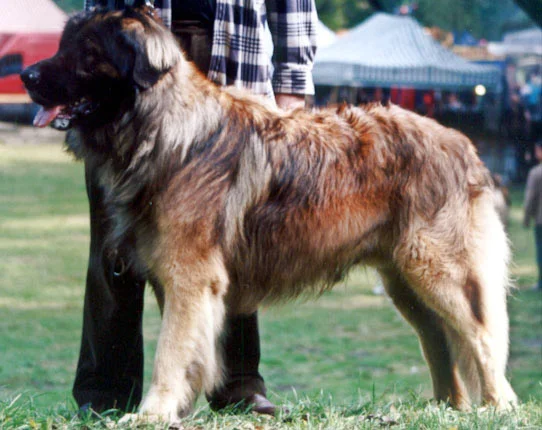
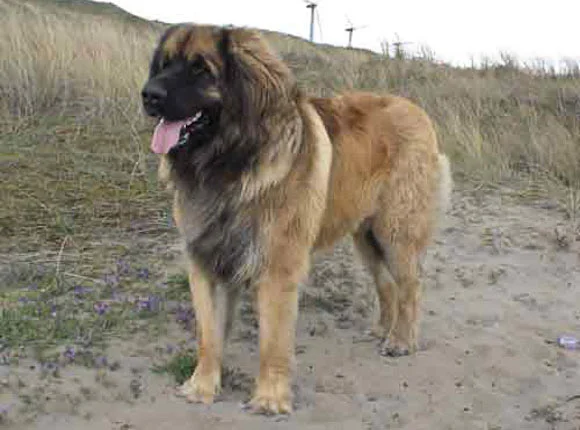
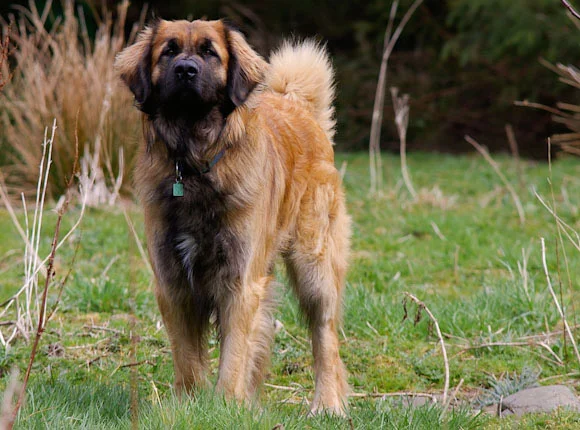
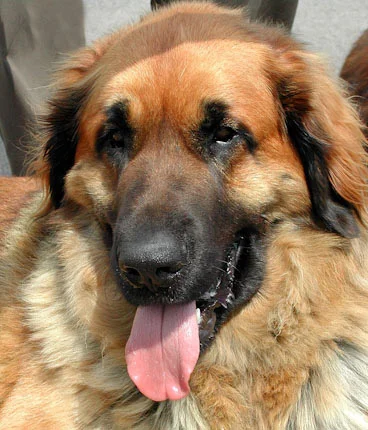
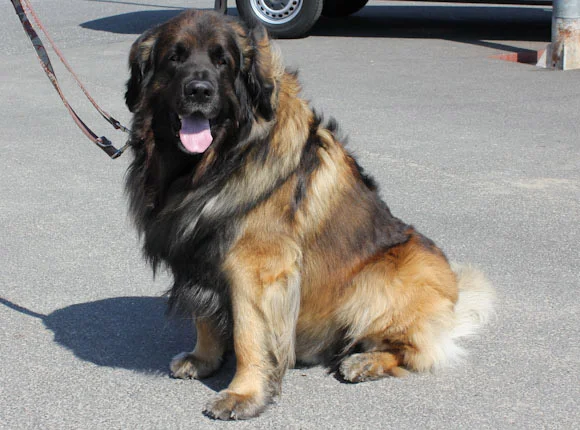
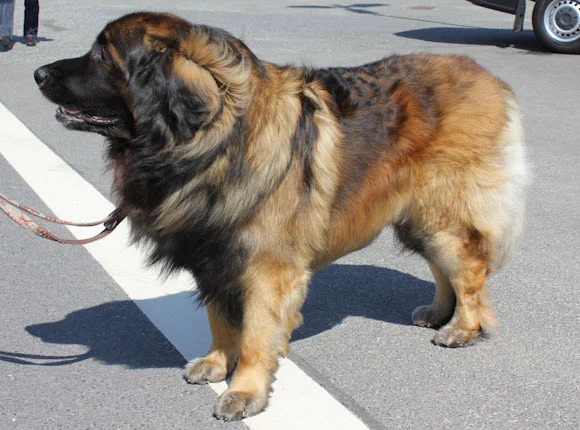
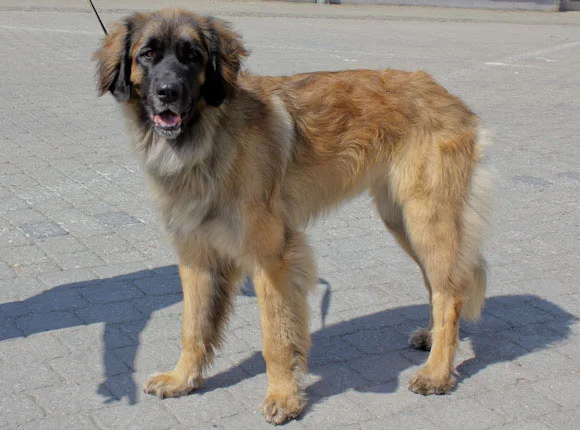
As a family dog, the Leonberger is an agreeable partner for present day dwelling and living conditions, who can be taken anywhere without difficulty and is distinguished by his marked friendliness towards children. He is neither shy nor aggressive. As a companion, he is agreeable, obedient and fearless in all situations of life.
History
At the end of the thirties, beginning of the forties of the 19th century, Heinrich Essig, town Councillor in Leonberg near Stuttgart, crossed a black and white Newfoundland bitch with a so-called ?Barry? male from the monastery hospice Grand St.Bernhard. Later a Pyrenean Mountain Dog was added. This resulted in very large dogs with predominantly long, white coats. Essig?s aim was for a lion-like dog. The lion is the heraldic animal of the city of Leonberg.
The first dogs really called ?Leonbergers? were born in 1846. They combined the excellent qualities of the breeds from which they stemmed.
Only a short time later, many of these dogs were sold as status symbols from Leonberg all over the world. At the end of the 19th century, the Leonberger was kept in Baden-Württemberg as the preferred farm dog. His watch and draft abilities were much praised.
In both World Wars and the needy post war times, the numbers of breeding stock reduced dramatically. Today the Leonberger is an excellent family dog which fulfills all the demands of modern life.
Care
The Leonberger is not recommended for apartment living. They require daily exercise, family interaction, and mental stimulation. This breed does best in a large securely fenced yard or rural setting. Leonberger's enjoy swimming, hiking, backpacking, running, and family activities. They excel at agility, tracking, therapy, and water rescue.
Attention, grooming, socialization and training.
Health
This is a high maintenance breed. The Leonberger requires daily brushing to remove loose and dead hair and minimize shedding. Special care should be given during seasonal blowing of the coat. Bathing should be done when necessary. It is important to regularly clean the ears and provide good dental hygiene. This breed has a relatively short life span. They are prone to such health issues as hip dysplasia, OCD, Addison's disease, entropion, ectropion, osteosarcoma, bloat, and hypothyroidism. Leonberger's may be sensitive to some drugs such as sulfa, tranquilizers, and anesthetics.
Training
The training of this dog is easily to make because it is intelligent, submissive and it easily understands what it has to do. It requires a lot of exercise, long walksdaily. The training must be well-balanced, gentle and consistent.
Coat & grooming
The fur of this dog does not require a special care. It should be brushed especially during the moulting period. Being a dog which grows up fast, it should not be physical solicited too much during the growth period for not having later problems with bones, knukles and muscles.
Fun facts
Socialize early and well, as this puppy will become a very large adult! The Leonberger is more agile than many other giant breeds. He can be trained to pull sleds and carts and is a good backpacker and hiker. He can jog for very short distances but, like