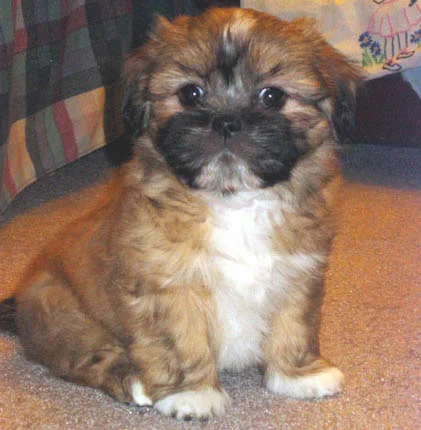
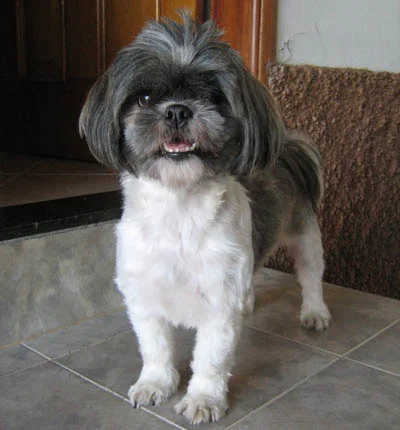
Dogs
Lhasa Apso
Other names: Abso Seng Kye (Bark Lion Sentinel Dog), Tibetan Apso, Lhassa Terrier
Watchdog.
- Size
- Toy
- Height · Male
- 23–26 cm
- Height · Female
- 21–24 cm
- Weight · Male
- 6–7 kg
- Weight · Female
- 5–6 kg
- Life expectancy
- 12–14 years
- Litter
- 4–5 puppies
- FCI
- FCI group 9 · 9 · n.º 227
- AKC
- Non-Sporting Group · #38
Traits
Activity
Social
At home
Care
Training
Guarding
Temperament
Gay and assertive. Alert, steady but somewhat aloof with strangers.
History
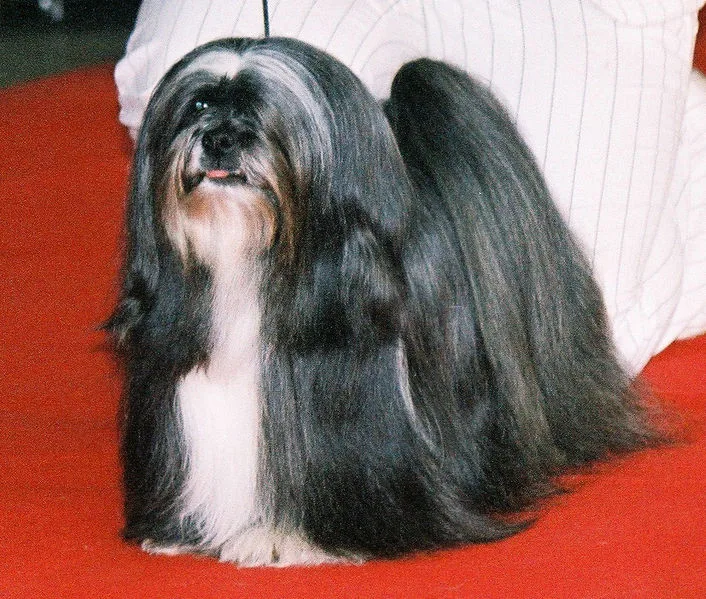
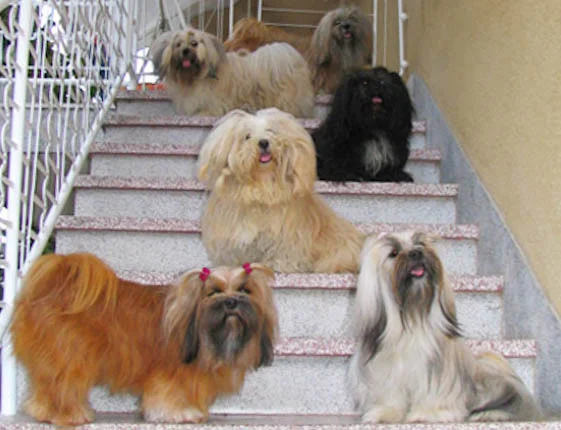
The Lhasa Apso comes from Tibet where many live at high altitudes and the climate can be severe. He has to be a hardy little dog to withstand these conditions, and this has had a great influence on his development. His long, hard coat with its dense undercoat acts as insulation during winter, and the fall of hair over his eyes protects them from the wind, dust and glare.
The Apso is one of several Eastern breeds to come to the West. The first Apsos arrived in Britain in the early 1920s and were being shown in London soon after. When they were first seen in Britain they were confused with other shaggy Oriental dogs and all were labelled ?Lhasa Terriers?. Later a distinction was made, especially between the Apso and the Tibetan Terrier which is thought to have been behind the early Apsos. A breed club for the Lhasa Apso was established in Britain in 1933.
Care
The Lhasa is an active dog, but his relatively small size makes it possible to meet his energy needs either with short walks or vigorous play sessions in the yard, or even home. The Lhasa makes a fine apartment dog. He is not suited for outdoor living. The long coat needs brushing and combing every other day.
The Lhasa Apso loves to play indoor games and is quite rambunctious, which largely meets their exercise needs. However, they benefit from outdoor excursions such as a daily walk. They are not suited for outdoor life, so even a small yard is unnecessary. The Lhasa is an excellent apartment and condominium dweller.
Health
The Lhasa Apso requires daily brushing to prevent tangles and mats. Their coat, if grown long, is extremely high maintenance. They may be bathed or dry shampooed on a regular basis or as necessary. They are very prone to ear infections and eye problems, so check-ups and regular cleaning are important. The Lhasa is susceptible to skin problems if not kept free of parasites. Kidney disease is the most serious health problem found in this breed.
Training
It is smart enough to understand what is required, but sensitive to the approach. Being a very stubborn dog, the training must be firm, consistent, gentle, encouraging, made with patience, without rushing it, without talking it bad or to chide it, because it can no longer to focus and turns in on itself.
Coat & grooming
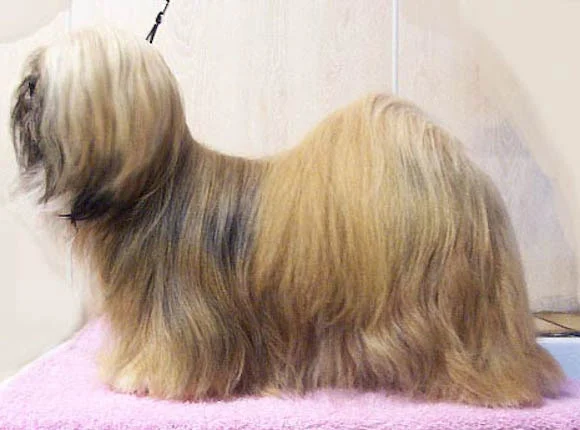
The fur of this dog requires weekly brushing to prevent the hair tangling and without to pull too hard for not breaking the hair. It can be used a special solution to prevent the hair to become too fragile. The eyes must be checked for not getting in dirt and hair bristles and irritate them. The ears must be kept clean and the hair between the pads of feet must be removed. The hair is combed with a parting from nostrils, head, back to the tail.
Fun facts
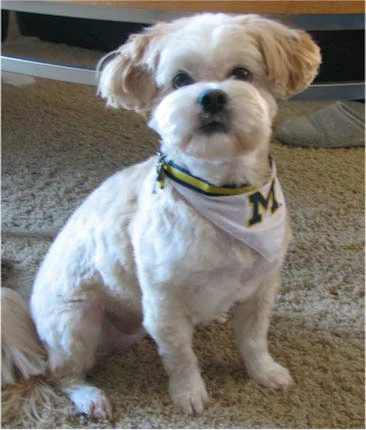
Travels well. Lhasa bitches make good mothers. The dense coat, which was well suited to the extreme Tibetan climate, needs a great deal of frequent attention to prevent mats, or can be clipped short to avoid the issue. Very long-lived. Dogs of 18 years an