Dogs
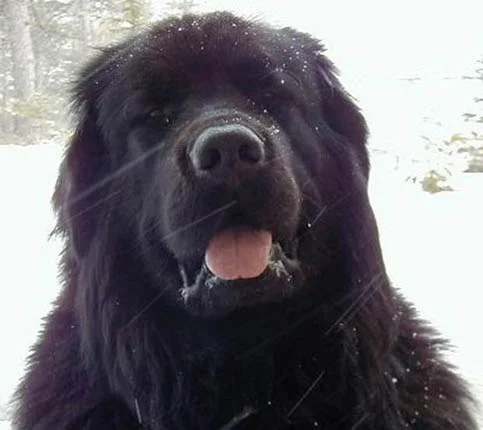
Newfoundland
Other names: Terra Nova, Newfoundland, Neufundländer, Terre-neuve, Newf, Newfie, Blackbear, Newf, Newfie, The Gentle Giant, Blackbear, Minnie Bear
Watchdog, guarding, water rescue, carting, weight pulling, competitive obedience.
- Origin
- Canada
- Size
- Large
- Height · Male
- 69–72 cm
- Height · Female
- 64–67 cm
- Weight · Male
- 65–70 kg
- Weight · Female
- 52–56 kg
- Life expectancy
- 8–10 years
- Litter
- 8–10 puppies
- FCI
- FCI group 2 · 2 · n.º 50
- AKC
- Working Group · #46
Traits
Activity
Social
At home
Care
Training
Guarding
Temperament
The Newfoundland is generous with love and affection. They are very sociable and friendly to visitors they know. They have a keen sense of responsibility and are excellent with children. They become so attached to their families that they cannot ever adapt to a new home or environment. They are generally good with other pets. This breed thrives on human companionship. They are gentle, heroic, and docile. Newfoundlands are extremely protective and will place themselves between their family and any danger that appears to be of a threatening nature.
History
The breed originated in the island of Newfoundland from indigenous dogs and the big black bear dog introduced by the Vikings after the year 1100. With the advent of European fishermen a variety of new breeds helped to shape and reinvigorate the breed, but the essential characteristics remained. When the colonization of the island began in 1610, the Newfoundland Dog was already largely in possession of his proper morphology and natural behaviour. These features allowed him to withstand the rigours of the extreme climate and sea?s adversity while pulling heavy loads on land or serving as water and lifeguard dog.
Care
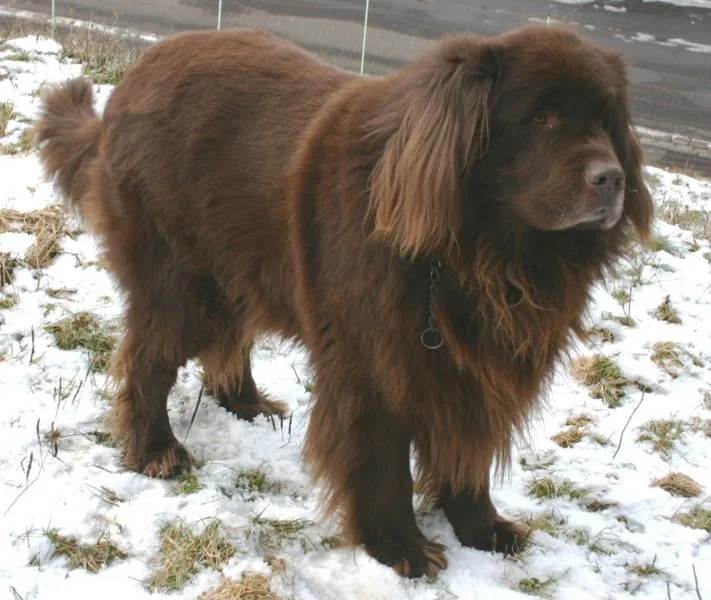
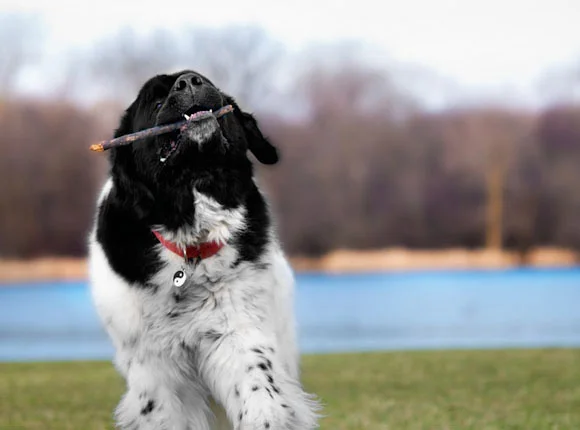
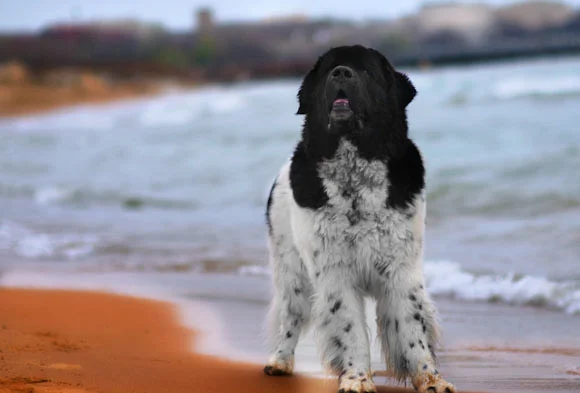
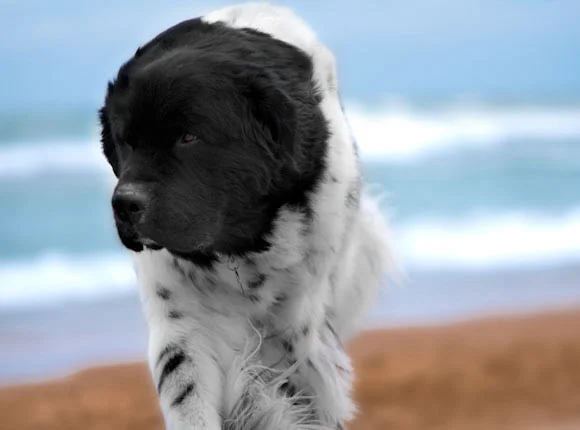
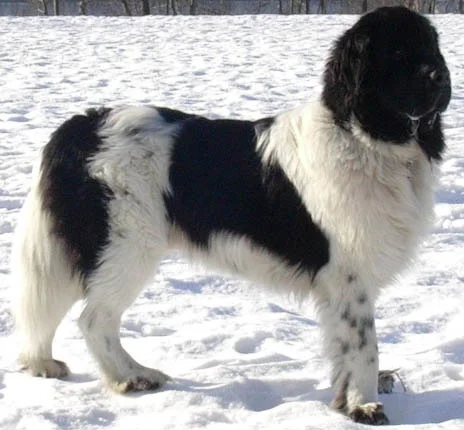
This easygoing dog needs daily exercise to stay fit, either in the form of a moderate walk or short romp. She loves to swim and pull, especially in Fcold weather. Some breeders contend that Landseers tend to be more active and need more exercise than solids. She does not do well in hot weather and should not be kept outside. She is best when allowed access to both house and yard, but needs lots of room inside to stretch out. Her coat needs combing twice weekly, more frequently when shedding. Newfs do drool and also tend to be messy drinkers.
The Newfoundland is slow moving and has a tendency to be lazy. They enjoy and benefit from play sessions, daily walks, and swimming. They are relatively inactive indoors. The Newfie will do okay in an apartment or condominium dwelling provided they are given sufficient exercise. They enjoy a run in a small fenced yard.
Financial ability for giant-sized needs, grooming, supervision around water so that they don't accidentally hurt other swimmers, and training.
Health
The Newfoundland requires daily brushing. The under coat is shed in the spring and fall and should be given extra attention at these times. Bathing should only be done when absolutely necessary to prevent stripping the coat of its' natural oils. Dry shampooing is best. They are prone to hip dysplasia, weight gain, and heart disease.
Training
Being an intelligent and submissive dog, the training is easily to made and gives very good results if it is used a friendly, calm voice. The training must be well balanced and consistent. It needs exercises. It loves a lot to swim
Coat & grooming
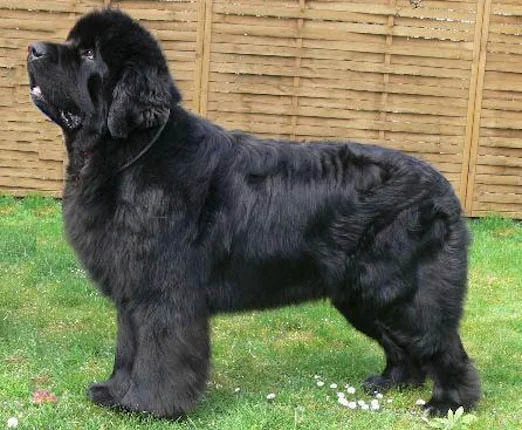
The fur of this dog should be brushed regularly, for not getting tangled up.
Fun facts
Beware of hip dysplasia (do not let the Newfoundland get fat). Buy only from OFA certified stock. Also prone to a hereditary heart disease called sub-aortic stenosis (SAS). Breeders should have puppies' hearts checked by a veterinary cardiologist at 8 to