Dogs
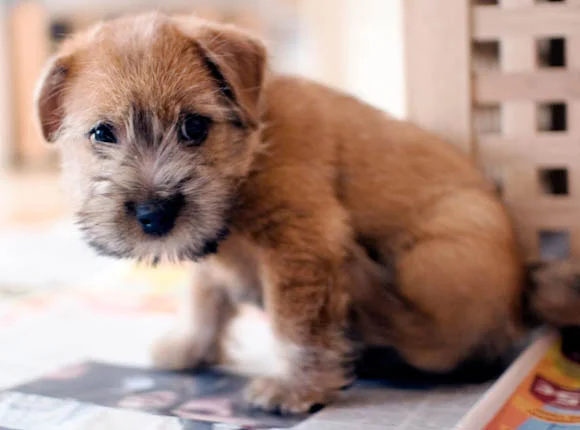
Norfolk Terrier
Hunting, tracking, watchdog, earthdog, agility.
- Size
- Toy
- Height · Male
- 27–30 cm
- Height · Female
- 25–28 cm
- Weight · Male
- 5–6 kg
- Weight · Female
- 5–6 kg
- Life expectancy
- 13–15 years
- Litter
- 3 puppies
- FCI
- FCI group 3 · 3 · n.º 272
- AKC
- Terrier Group · #114
Traits
Activity
Social
At home
Care
Training
Guarding
Temperament
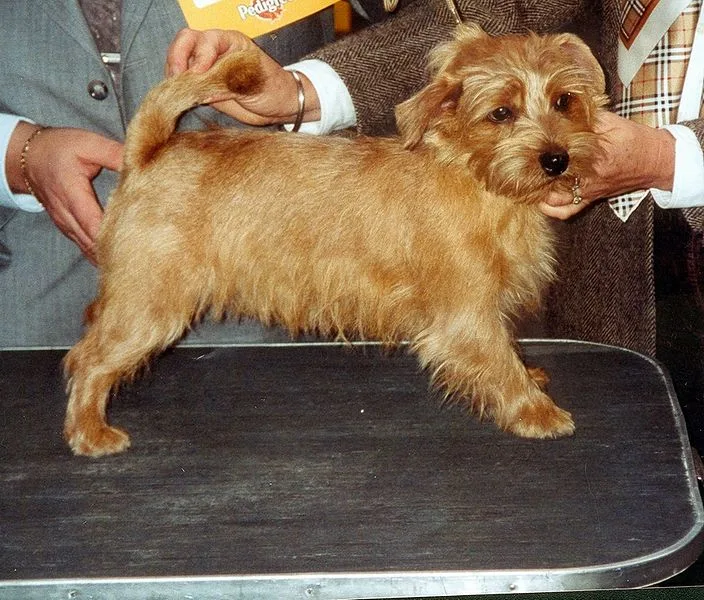
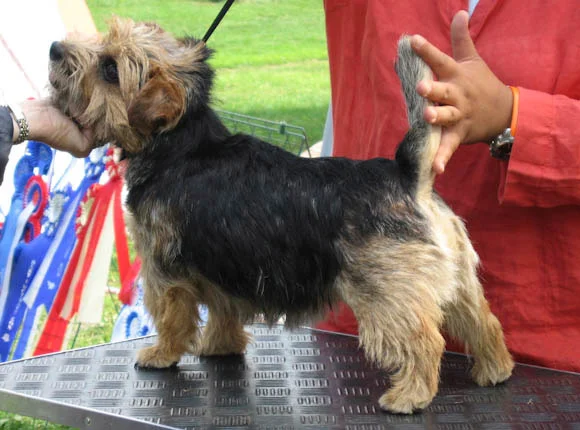
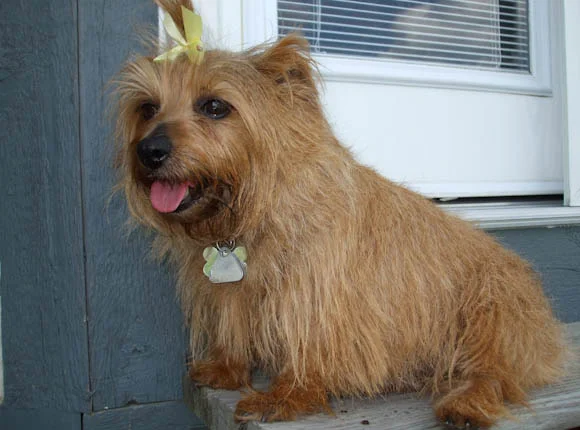
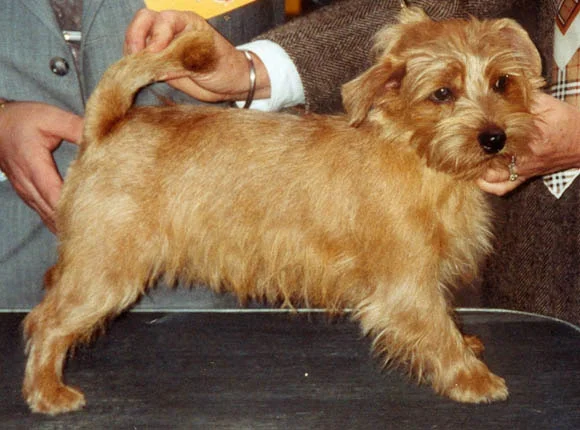
A ?demon? for its size. Lovable disposition, not quarrelsome, hardy constitution; alert and fearless.
History
The Norfolk and Norwich Terrier take their names, obviously, from the county and the city, though turning the clock back to the early and mid-1800s there was no such dis¬tinction, this being just a general farm dog. Glen of Imaals, red Cairn Terriers and Dandie Dinmonts are among the breeds behind these East Anglian terriers and from the resultant red progeny emerged the pre¬sent Norwich and Norfolk Terrier.
A typical short-legged terrier with a sound, compact body which has been used not only on fox and badger, but on rats as well. He has a delightful dis¬position, is totally fearless but is not one to start a fight. As a worker he does not give up in the face of a fierce adversary underground, and his standard?s reference to the acceptability of ?honourable scars from fair wear and tear? is a good indication of the type of. The Norwich Terrier was accepted on the Kennel Club Breed Register in 1932, and were known as the drop-eared Norwich Terrier (now known as the Norfolk Terrier) and prick-eared Norwich Terrier. The breeds were separated in 1964 and the drop-eared variety gained the name Norfolk Terrier.
Care
The Norfolk terrier needs an exercise outing every day, either a short to moderate walk or a lively and boisterous play session. She especially likes to hunt and investigate, but she must do so in a safe area. She is such a family-oriented dog that she is emotionally unsuited for outdoor living. She does best as a house dog with access to a yard. Her wire coat needs combing once or twice weekly, plus stripping of dead hairs three to four times yearly.
The Norfolk Terrier loves adventure and play. They enjoy vigorous walks on a secure leash, a refreshing swim, or a short jog. They thrive on activity. Norfolk Terriers derive great pleasure from romping in a securely fenced yard with their family. If they are left alone outside for extended periods of time they will become bored and destructive. They can adapt to apartment living provided they are given sufficient exercise and stimulation.
Activity, exercise, a fenced-in yard, a leash, socialization, grooming and training.
Health
The Norfolk Terrier requires daily brushing. They are a non-shedding breed and do not shed their coats naturally. Therefore, a professional grooming session to strip the coat twice a year is highly recommended. This allows the new weatherproof coat to come through which is an important feature of this breed. Norfolk Terriers highly prone to a genetic, life threatening heart abnormality. They are also susceptible to genetic eye problems, hip dysplasia, and patella luxation.
Training
This dog learns quickly enough, appearing not special problems in training if this is consistent, firm, well-balanced, without being harsh or cruel. It likes walks and to dig.
Coat & grooming
The hair must be brushed, combed regularly and 2-3 times per year should be trimmed.
Fun facts
A very healthy breed. Will dig and/or bark if left outside for long periods of time with nothing to occupy his quick mind. Loves toys and balls. Can be difficult to housebreak. Don't let off lead except in a secure area. Can jog for short distances.