Dogs
Norwegian Lundehund
Other names: Norsk Lundehund, Norwegian Puffin Dog, Puffin Dog, Lundehund
Hunting, watchdog, and agility.
- Origin
- Norway
- Size
- Small
- Height · Male
- 35–38 cm
- Height · Female
- 32–35 cm
- Weight · Male
- 6–8 kg
- Weight · Female
- 5–7 kg
- Life expectancy
- 12–13 years
- Litter
- 2–3 puppies
- FCI
- FCI group 5 · 5 · n.º 265
Traits
Activity
Social
At home
Training
Guarding
Temperament
Alert, energetic, lively.
History
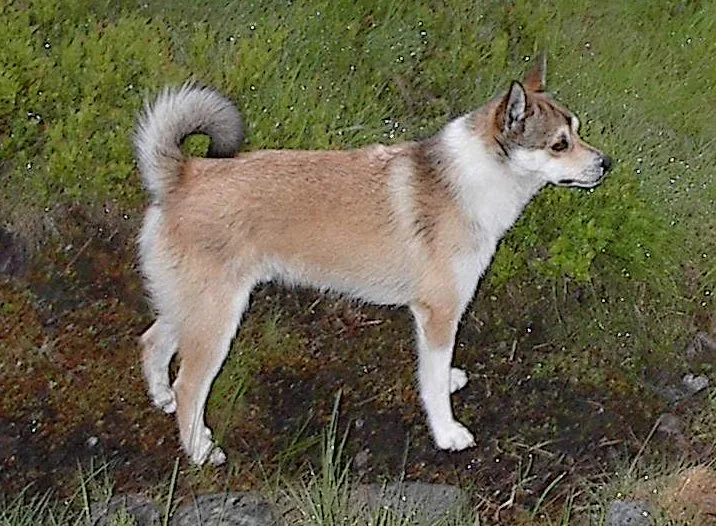
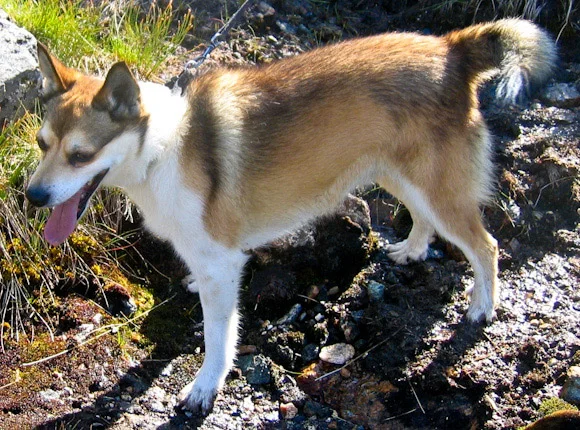
The Norwegian Lundehund is an ancient breed used for hunting seabirds on the Norwegian coast. The breed name is a combination of the Norwegian words "lunde" (puffin, i.e. Fratercula arctica) and "hund", dog. Although the age of a breed is difficult to establish, there are descriptions of dogs used for hunting puffins which are more than 400 years old. The Lundehund was important for people in coastal Norway. The dog?s unique anatomy with extra, functional toes, a neck that can bend to touch the back, ears that can close and forelimbs that are ultra flexible, enables the dog to climb near vertical screes and enter the narrow, twisting burrows of the puffins nesting cavities and retrieve the birds alive.
Puffin meat was a main part of the diet during winter in costal areas. The down was either used in duvets and pillows or exported. Modern hunting methods and depopulation in northern coastal regions caused a decrease in the Lundehund population.
However, at Måstad on the isolated island of Værøy, people kept the hunting traditions alive, using the Lundehunds. Between the World Wars, some dogs were sent to a Mr.& Mrs Christie in southern Norway and bred from.
Canine distemper nearly wiped out the entire Lundehund population between the World Wars and immediately after WW II, but the Christie?s in cooperation with people of Værøy and some new breeders, managed to save the breed from extinction. Today the puffin is a protected species and the dogs cannot be used for their original purpose. They are however much treasured and part of the Norwegian cultural heritage.
Care
It must be trained by someone with experience, because it is an independent dog. The training must be firm, consistent and varied for not getting it bodred. It has a middle level of activity and it is satisfied with daily walks and to play in the yard.
The Norwegian Lundehund breed is not recommended for apartment living. The Norwegian Lundehund requires a large securely fenced yard or rural setting where they are able to run, play, and receive family interaction.
Activities, exercise, medical care, socialization and training.
Health
Weekly brushing to remove loose and dead hair is recommended. Special attention should be given to the coat during their seasonal shedding. Their coat is self-cleaning and bathing is only required when necessary. The Norwegian Lundehund has a tendency to suffer from an extremely serious health issue known as Lundehund Syndrome. This series of digestive problems has the potential to result in costly veterinarian bills.
Coat & grooming
The fur does not require brushing, more frequently than during the moulting period. It should be auscultate a specialist for dog food because from its body is missing an essential enzyme for food digestion.
Fun facts
There are four areas that prospective owners need to know about when considering a life with Lundehunds: housebreaking, food caching, barking, and gastrointestinal disorders.
Norwegian Lundehund breeders
All breeders →No verified breeders for this breed yet. Are you a breeder? Register.
Looking for more breeders? Ask the Clube Português de Canicultura (CPC) for the list of registered breeders of your breed. Visit, meet the parents and ask for health tests.