Dogs
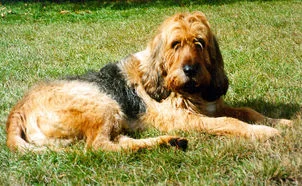
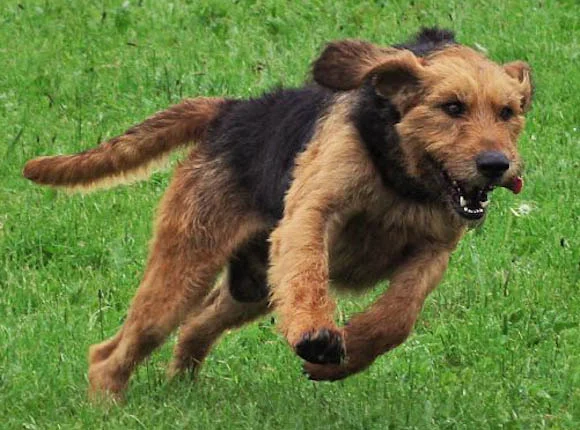
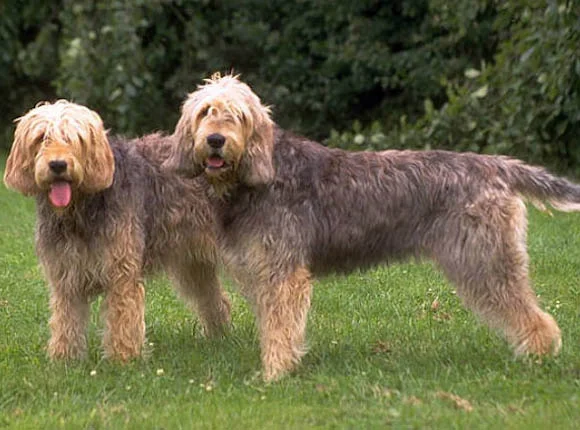
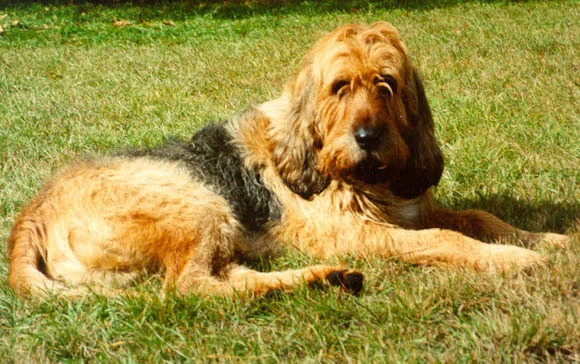
Otterhound
Hunting, tracking, watchdog.
- Size
- Large
- Height · Male
- 65–70 cm
- Height · Female
- 60–62 cm
- Weight · Male
- 35–40 kg
- Weight · Female
- 30–35 kg
- Life expectancy
- 10–13 years
- Litter
- 7–10 puppies
- FCI
- FCI group 6 · 6 · n.º 294
- AKC
- Hound Group · #150
Traits
Activity
Social
At home
Care
Training
Guarding
Temperament
Amiable and even tempered. Signs of aggression or nervousness should be heavily penalized.
History
It is generally felt that the Otterhounds ancestry includes a French influence combined with original English hound strains.
He is a kindly fellow with a typical loud baying call which he can use to good effect when he needs to indicate that he has found a prey that interests him, though today his primary purpose of hunting otters is banned. The breed has keen scenting ability. When following the scent of an otter on land the scent is called a drag and in water a wash. An Otterhound can follow a drag for up to twelve hours and when following a wash may swim for five hours. In addition to his oily coat he has webbed feet.
Care
The Otterhound needs daily exercise in a safe area or on a leash. He has a loud, melodious voice that carries for long distances. The Otterhound's coat requires only weekly brushing or combing. He may need his beard washed more frequently. Tidiness is not one of his virtues; the large, hairy feet tend to hold debris and mud, and the long hair around the mouth can hold water and food.
A large yard is best for the Otterhound. This dog loves to swim and run so he does require daily exercise. Long walks with his master suit this dog well, but he does best with a fenced in yard.
Exercise, fenced yard, grooming and a leash.
Health
Weekly brushing will be sufficient, however twice a week is best to keep this coat free of matting. If being used for show, the Otterhound should not have his coat clipped, as this dog should have a natural appearing coat. Beard must be washed frequently to prevent caking and debris.
Training
It is a dogwhich is a little hard to train, but with a consequent, well-ballanced, firm trainig without being rough or severe with them, good results can be obtained.
Coat & grooming
The fur of this dog must be brushed and combed only occasionally, for not busting its natural look.
Fun facts
May be clumsy with children; not recommended for infants. Likes to roam and sniff. Do not overfeed - prone to bloat and weight gain. Has a tendency to snore. Needs lots of exercise and, if possible, frequent swimming. Beware of hip dysplasia. Buy only fro
Otterhound breeders
All breeders →No verified breeders for this breed yet. Are you a breeder? Register.
Looking for more breeders? Ask the Clube Português de Canicultura (CPC) for the list of registered breeders of your breed. Visit, meet the parents and ask for health tests.