Dogs
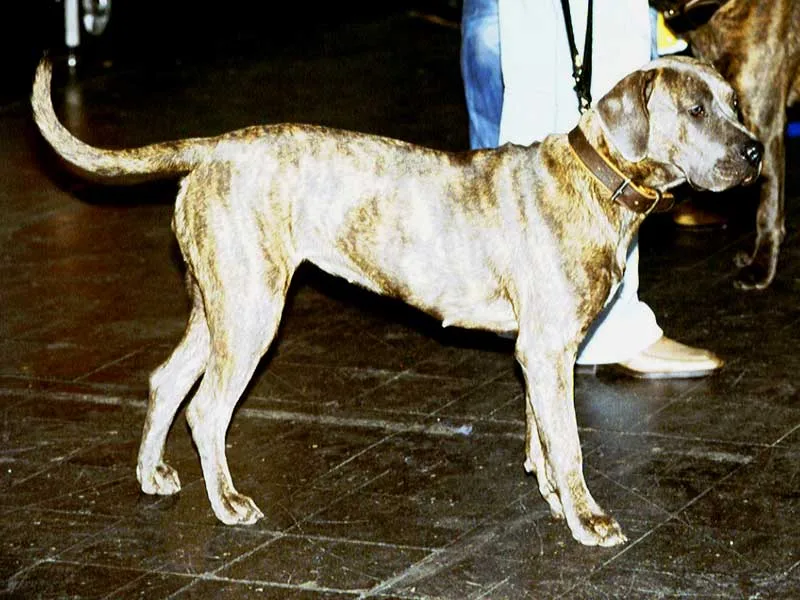
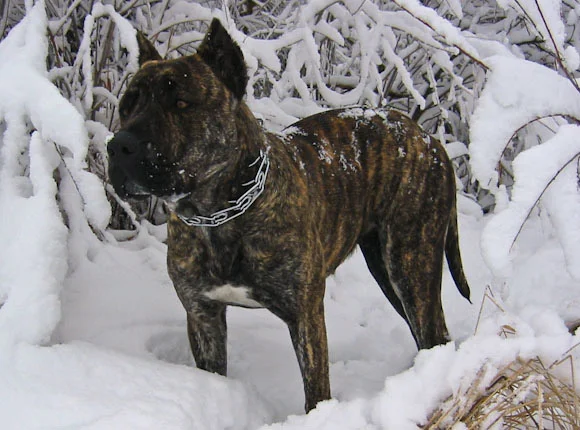
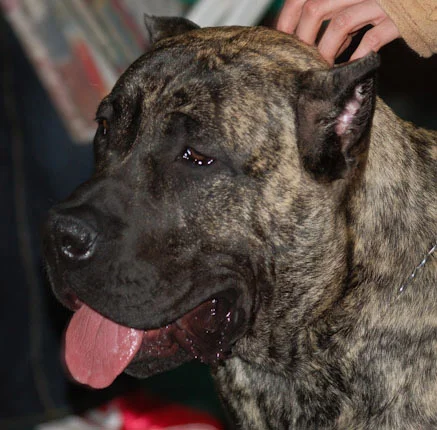
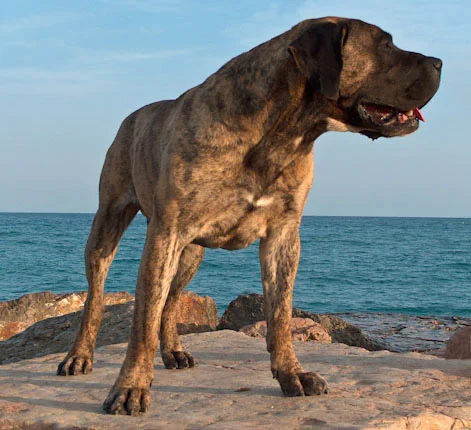
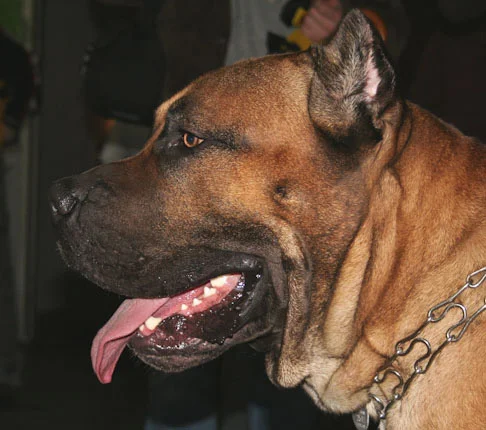
Perro de Presa Canario
Other names: Dogo Canario, Canary Dog, Perro Basto, Verdino, Perro de Presa Canario, Canary Mastiff, Presa Canario, Dogo Canario, Pressa
Guard dog , watchdog
- Origin
- Spain
- Size
- Large
- Height · Male
- 56–62 cm
- Height · Female
- 60–66 cm
- Weight · Male
- 50–65 kg
- Weight · Female
- 40–55 kg
- Life expectancy
- 10–14 years
- Litter
- 7–9 puppies
- FCI
- FCI group 2 · 2 · n.º 346
Traits
Activity
Social
At home
Care
Training
Guarding
Temperament
Calm appearance; attentive expression. Especially suited to guarding and traditionally used for herding cattle. Balanced temperament and very self-confident. Low and deep bark. Obedient and docile with family members, very devoted to its master, but can be suspicious of strangers. Confident attitude, noble and a little distant. When alert, the stance is firm with a vigilant attitude.
History
A molossoid type dog, originating from Tenerife and Gran Canaria (Canary Islands). It is believed to be the result of matings between the ?majorero?, a prehispanic dog indigenous to these islands, and other molossoids introduced to the Canary Islands.
These matings produced an ethnical group of mastiff-type dogs, of moderately large size, brindle or fawn with white marking, with a specific molossoid morphology but yet agile and powerful, having a strong temperament, robust and lively, loyal character.
During the XVI and XVII centuries, the number of these dogs increased considerably and numerous references to them in pre-Conquest historical texts, especially in the ?Cedularios del Cabildo? (municipal registers), which explain their duties essentially as guard dogs and protectors of cattle.
Care
The Presa Canario breed is not recommended for apartment dwelling. They do best with a securely fenced yard or rural home. They are very athletic and enjoy daily exercise. The Presa must be securely leashed and muzzled when in public.
Fenced yard, firm but positive training, leash, socialization, supervision with other animals.
Health
Presa Canario's regular brushing of the coat with a firm bristle brush will minimize loose and dead hair. Bathing or dry shampooing should be done when necessary. Health problems associated with this breed are hip dysplasia, demodex mange, a diminished immune system, and eyelid problems.
Training
It is a dog hardly to train. It has a very dominant character and it needs since an early age a lot of socialization and training based on obedience and submission.
Coat & grooming
The fur is easily to be taken care of it, and a casual brushing with a rubber glove is enough.
Perro de Presa Canario breeders
All breeders →No verified breeders for this breed yet. Are you a breeder? Register.
Looking for more breeders? Ask the Clube Português de Canicultura (CPC) for the list of registered breeders of your breed. Visit, meet the parents and ask for health tests.