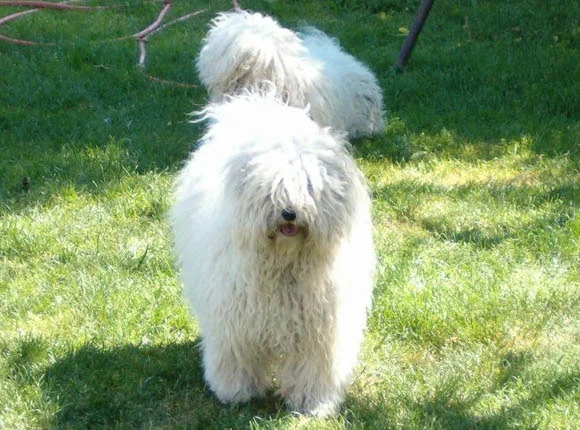
Dogs
Puli
Other names: Pulik, Hungarian Puli, Hungarian Water Dog, Drover
Herding, watchdog, guarding, competitive obedience.
- Origin
- Hungary
- Size
- Medium
- Height · Male
- 39–45 cm
- Height · Female
- 36–42 cm
- Weight · Male
- 13–15 kg
- Weight · Female
- 10–13 kg
- Life expectancy
- 12–16 years
- Litter
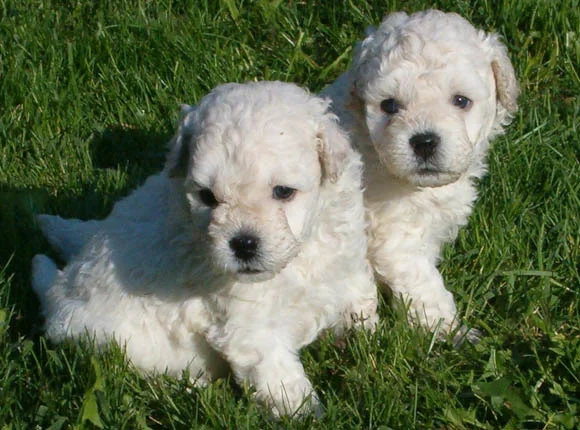
- 4–7 puppies
- FCI
- FCI group 1 · 1 · n.º 55
- AKC
- Herding Group · #129
Traits
Activity
Social
At home
Care
Training
Guarding
Temperament
Happy, cheerful, and devoted, this dog does very well in a home environment, however is not recommended for a home with small children. The Puli can do well with other animals if they are properly socialized at puppyhood, but should not be trusted around smaller and more passive animals. If children are taught how to handle a dog properly, this breed can do well providing the children do not pester or pull on the long cords of hair.
History
The Puli is a Hungarian herding breed of Asiatic origin. His original ancestors most probably came to the Carpathian Basin with the migrating ancient Magyars, who lived as nomads on stock-breeding.
Care
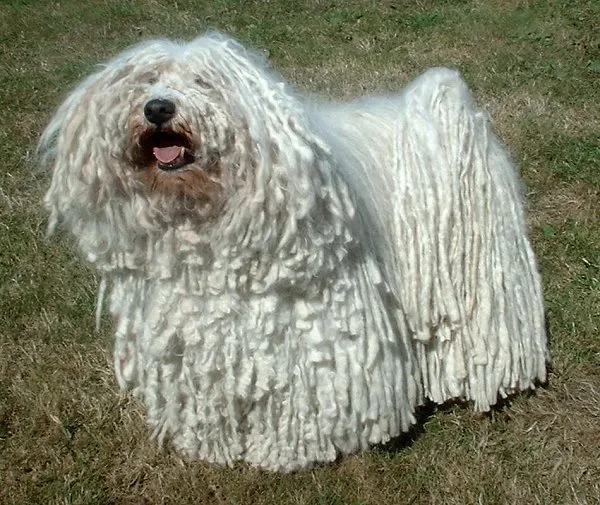
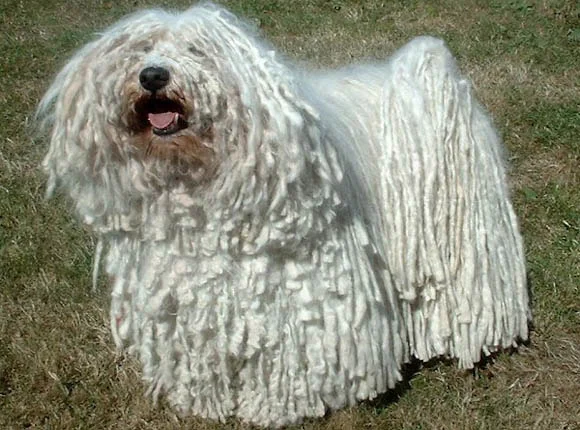
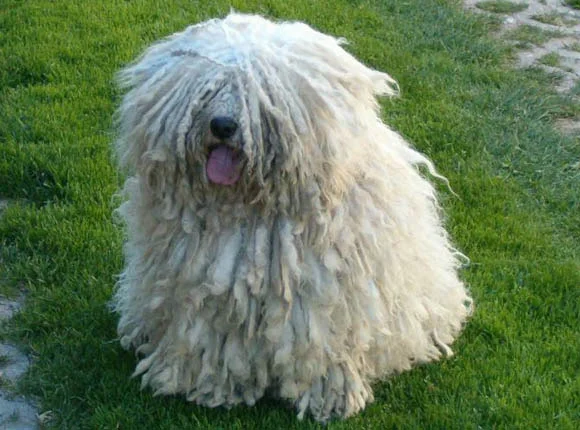
This is an energetic breed on the lookout for a job. He can be satisfied with a good walk or jog, or a lively game and training session, however. He makes an excellent house dog. His coat can hold debris. His nonshedding coat can be brushed or corded; if brushed, He needs brushing every one to two days. If corded, the cords must be regularly separated because the coat tends to hold dirt; bathing is time consuming and drying takes as much as one day. Pets can be clipped, but then part of the breed's unique appeal is lost.
The Puli should have regular exercise, as they love to play and roam free, however should always be in a fenced in yard. An average sized yard works best for this energetic breed. They love to jog with their owners, and does very well running along side a bike. The Puli enjoys hikes, however the coat should be protected.
Attention, grooming, protection from the heat, supervision when swimming, and training.
Health
The Puli has a strange and unique coat making grooming for this breed a learned technique for the inexperienced. Professional grooming in the beginning should be required. After bathing, drying of the coat can be a task. Blow-drying with cold air works best. Brushing is not required, as the Puli should always have naturally formed cords.
Training
It is an easy to train breed ever since its first year. It likes demanding exercises, that test it. It is good at agility exercises, flyball.
Coat & grooming
This dogs don't shed but their fur can gather cockleburs, dirt, small objects and it must be cleaned, and the tangled fringes could be plaited to encourage their increase. Bath is not recommende, only in summer because it takes a few days for the dog to dry. The fur reaches maturity at 3 years old.
Fun facts
Unusual long corded coat needs extensive grooming if the dog is to be shown or kept indoors. The felt cords also take a long time to dry. The breed can also be maintained or shown with its coat brushed out. Barks a lot. This breed loves to swim.