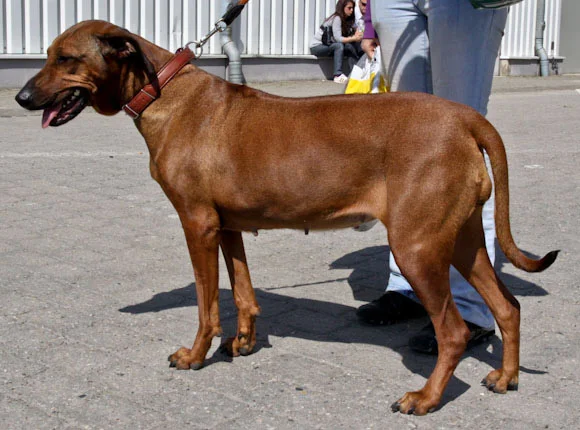
Dogs
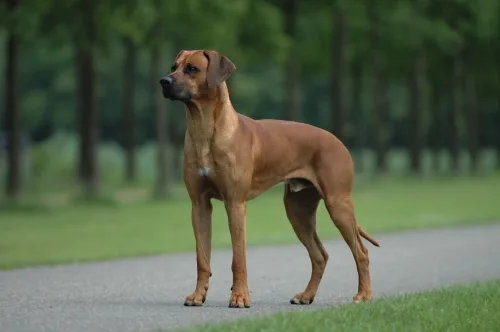
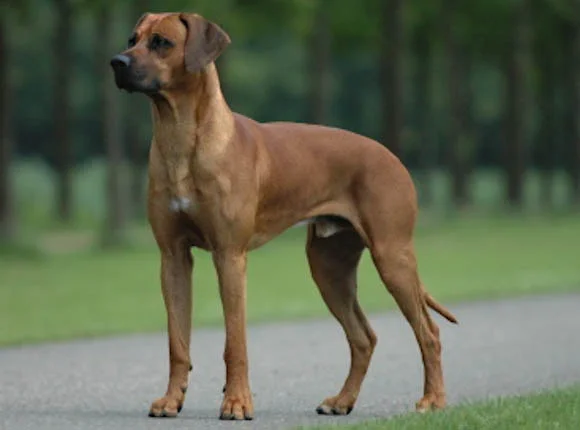
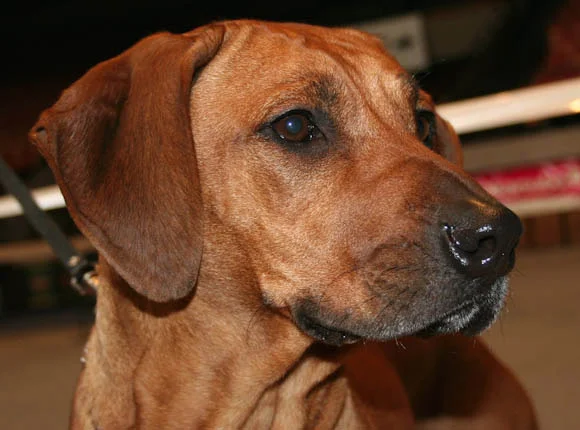
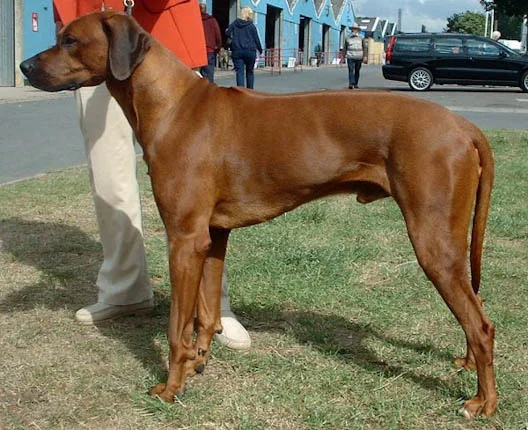
Rhodesian Ridgeback
Other names: Rhodesian Ridgeback, African Lion Hound, African Lion Dog, African Lion Dog, African Lion Hound
Hunting, tracking, watchdog, guard dog
- Origin
- South Africa
- Size
- Large
- Height · Male
- 63–69 cm
- Height · Female
- 61–66 cm
- Weight · Male
- 32–37 kg
- Weight · Female
- 30–32 kg
- Life expectancy
- 10–13 years
- Litter
- 7–8 puppies
- FCI
- FCI group 6 · 6 · n.º 146
- AKC
- Hound Group · #53
Traits
Activity
Social
At home
Care
Training
Guarding
Temperament
Dignified, intelligent, aloof with strangers, but showing no aggression or shyness.
History
The Rhodesian Ridgeback is presently the only registered breed indigenous to southern Africa. Its forbears can be traced to the Cape Colony of Southern Africa, where they crossed with the early pioneer?s dogs and the semi-domesticated, ridged Hottentot hunting dogs. Hunting mainly in groups of two or three, the original function of the Rhodesian Ridgeback or Lion dog was to track game, especially lion, and, with great agility, keep it at bay until the arrival of the hunter.
The original standard, which was drafted by F.R.Barnes, in Bulawayo, Rhodesia, in 1922, was based on that of the Dalmatian and was approved by the South African Kennel Union in 1926.
Care
The Ridgeback loves to run, and he needs daily mental and physical exercise to keep from becoming frustrated. He can be a good jogging or hiking companion. The Ridgeback is happier sleeping indoors and dividing his time between the house and yard during the day. Coat care is minimal, consisting only of occasional brushing to remove dead hair.
This tireless dog will be sure to keep you on your feet. Very active, playful, and energetic, the Rhodesian Ridgeback would make a great jogging companion or running along side a bike. They have great stamina and do very well on long walks or a free roam in a yard or park. Should have at least an average sized yard.
Fenced yard, leash, socialization and training.
Health
Average shedding, the Rhodesian Ridgeback is easy to groom. A wipe down with a washcloth or dry towel will suffice and remove some loose hair. Bathing only when necessary, this breed's coat does not trap dirt well and is generally clean.
Training
The training must be consistent but gentle. The dogs from this breed are intelligent, understand fast what are required, but a little stubborn, so they need a master with a strong character.
Coat & grooming
The fur of this dog can be kept beautiful through a brushing once or twice a week, and in the moulting period it can be used a rubber brush to remove the dead hair bristles and keep the fur glossy.
Fun facts
May be prone to dermoid sinus, hip dysplasia and cysts. Buy only from OFA certified stock. Puppies should be checked for dermoid sinus before purchase. Don't overfeed. Some males can be very combative with other dogs.