Dogs
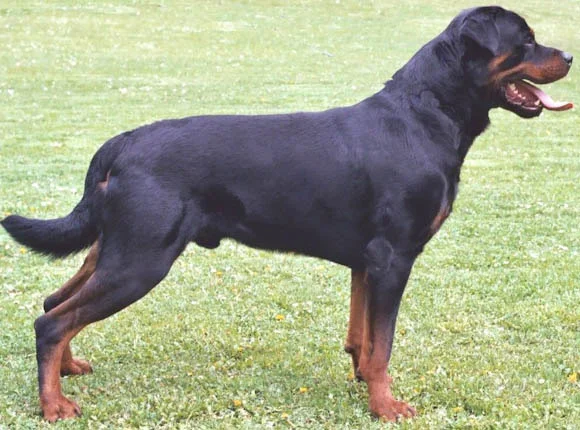
Rottweiler
Tracking, herding, watchdog, guarding, police work, carting, competitive obedience, Schutzhund.
- Origin
- Germany
- Size
- Large
- Height · Male
- 61–68 cm
- Height · Female
- 63–64 cm
- Weight · Male
- 48–52 kg
- Weight · Female
- 48–50 kg
- Life expectancy
- 8–11 years
- Litter
- 4–10 puppies
- FCI
- FCI group 2 · 2 · n.º 147
- AKC
- Working Group · #15
Traits
Activity
Social
At home
Care
Training
Guarding
Temperament
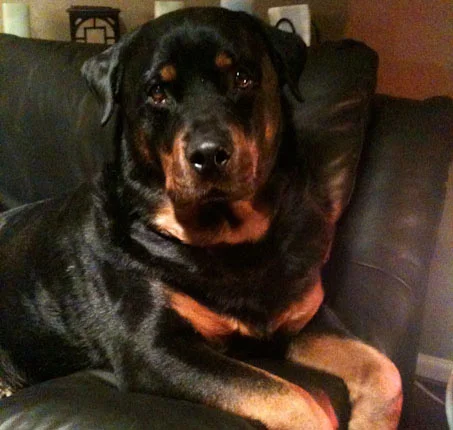
Good-natured, placid in basic disposition and fond of children, very devoted, obedient, biddable and eager to work. His appearance is natural and rustic, his behaviour self-assured, steady and fearless. He reacts to his surroundings with great alertness.
History
The Rottweiler is considered to be one of the oldest dog breeds. Its origin goes back to Roman times. These dogs were kept as herder or driving dogs. They marched over the Alps with the Roman legions, protecting the humans and driving their cattle. In the region of Rottweil, these dogs met and mixed with the native dogs in a natural crossing. The main task of the Rottweiler now became the driving and guarding of the herds of cattle and the defence of their masters and their property. This breed acquired its name from the old free city of Rottweil and was known as the « Rottweil butcher?s dog? ». The butchers bred this type of dog purely for performance and usefulness. In due course, a first rate watch and driving dog evolved which could also be used as a draught dog. When, at the beginning of the twentieth century, various breeds were needed for police service, the Rottweiler was amongst those tested. It soon became evident that the breed was highly suitable for the tasks set by police service and therefore they were officially recognized as police dogs in 1910.
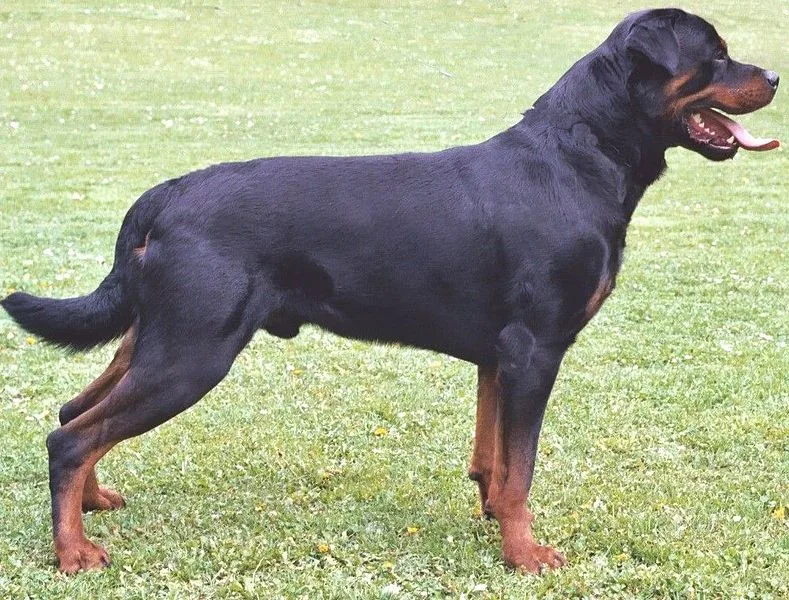
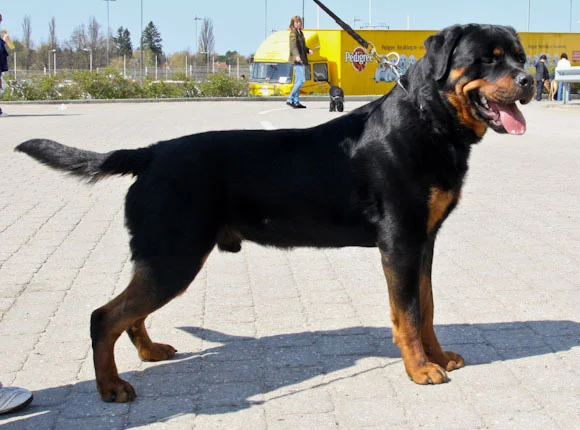
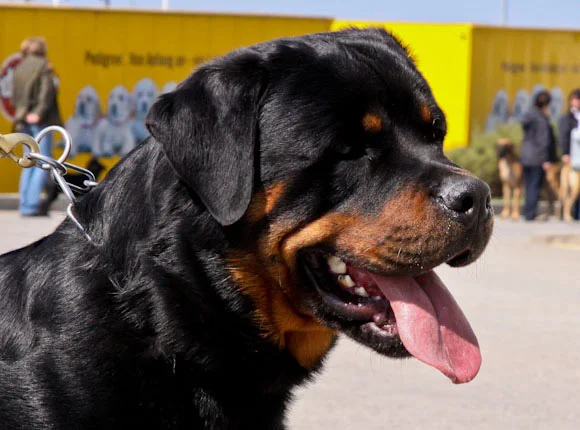
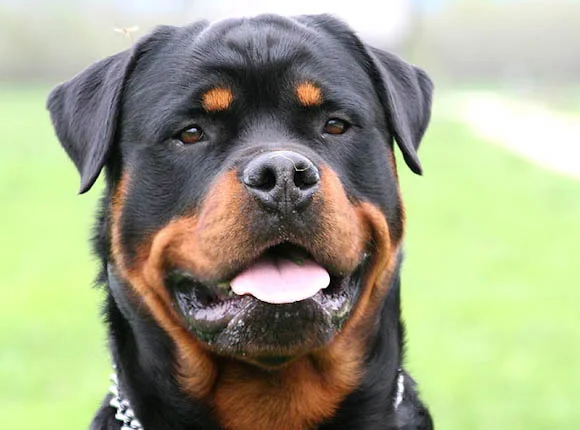
Rottweiler breeders aim at a dog of abundant strength, black coated with clearly defined rich tan markings, whose powerful appearance does not lack nobility and which is exceptionally well suited to being a companion, service and working dog.
Care
The Rottweiler needs daily physical and mental activity, either in the form of long walks or jogs, or a vigorous game in a safe area, as well as obedience lessons. He enjoys cold weather and may become overheated in hot weather. He needs to spend significant time inside with his human family, however, so that proper bonding can occur. Coat care is minimal, consisting only of occasional brushing to remove dead hair.
The Rottweiler should have at least a large sized yard. They aren't really active indoors, so they need plenty of exercise outdoors, off lead preferably. This breed loves long walks and should have at least two long walks per day totaling at least two hours of exercise per day.
Health
The Rottweiler has a short and glossy coat that is relatively easy to groom. An average shedding breed, brushing with a firm bristle brush regularly should remove any excess hair or dead hairs. Bathing too often will remove the natural oils from the coat and/or skin. Dry shampooing is used by many Rottweiler owners as well as breeders so they are not to remove the essential oils in this breeds coat.
Training
Because it has a dominant character, wilfull, the training must begin since an early age. It must be made by a person with much experience in training dogs, a calm, cool and well-balanced person. The dog must learn what is allowed to do and what it is not. The training must firm and consistent, made with a gentle voice, but confident, it must be praised when it did something it had to. It likes running on a field or in forest, beside a bicycle, the swimming, playing fetch with a ball.
Coat & grooming
The fur of this dog doesn't require a special grooming. To remove the dead hair bristles, especially during the moulting period is recommended to use a rubber glove, much more suitable than an usual one. This breed is predisposed to get diabetes, which gather way through lossing weight, hunger and frequent thirst.
Fun facts
Beware of hip dysplasia; buy only from OFA certified stock. Tends to snore and overeat. Rottweiler bitches often have large litters - 12 puppies are not unusual. This breed needs a lot of companionship, exercise and socialization to be truly happy. Rottwe