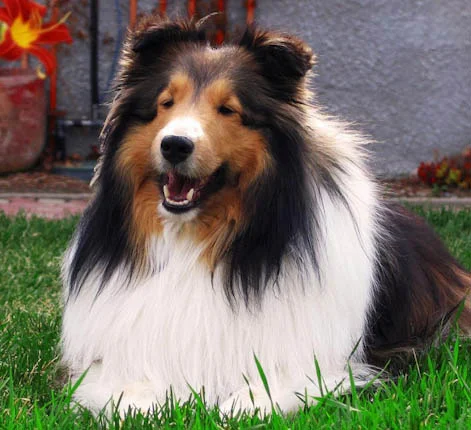
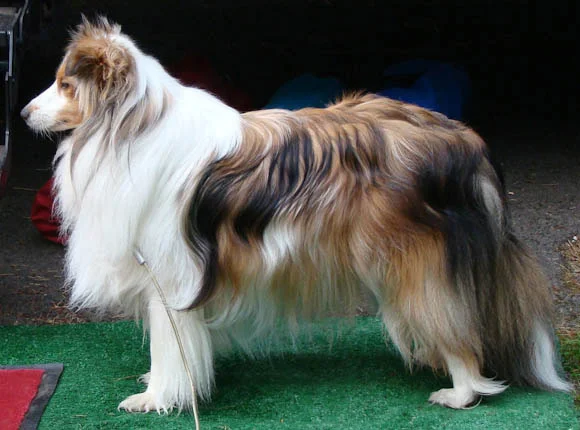
Dogs
Shetland Sheepdog
Other names: Shetland Sheepdog , Pastor de Shetland, Miniature Collie, Sheltie, Mini Lassie, Shetland Collie, Dwarf Scotch shepherd, Toonie dog, Miniature Collie, Sheltie \r\n
Tracking, herding, watchdog, guarding, agility, competitive obedience, performing tricks.
- Size
- Small
- Height · Male
- 35–39 cm
- Height · Female
- 34–38 cm
- Weight · Male
- 7–8 kg
- Weight · Female
- 6–7 kg
- Life expectancy
- 12–14 years
- Litter
- 4–6 puppies
- FCI
- FCI group 1 · 1 · n.º 88
- AKC
- Herding Group · #17
Traits
Activity
Social
At home
Care
Training
Guarding
Temperament
High energy, active, very trainable, this breed has a well-rounded and even temperament giving him the idealistics for a household pet. The Shetland Sheepdog does well with children, but children should be properly trained to handle a dog of any breed. Used as a watch dog, this gentle breed will not attack without being repeatedly provoked so does not do well for guarding. Great for herding, this dog is still commonly used for herding purposes in a country environment and does exceptionally well.
Care
The Sheltie is energetic, but his exercise needs can be met with a good walk, short jog or active game and training session. He is too attached to his family to do well separated from them so the Sheltie should be a house dog. His thick coat needs brushing or combing every other day.
This high-energy breed should have regular exercise. Most prefer to allow their Shelties to run free but must be in a fenced in yard, as this breed loves to chase things and will surely bolt if given the opportunity and visual stimulation. An average sized yard would be ideal for this small yet lively breed.
Exercise, grooming, job or activity to do, socialization, and training.
Health
Regular brushing is necessary to keep the coat smooth and free of tangles. The long coat of the Sheltie does tend to trap dirt so supervision is necessary unless regular bathing is not a problem. Heavily shedding during certain seasons, the hair can become a mess so grooming is particularly important during this stage.
Training
It can be easily trained because it has a large disponibility for learning, much superior comparatively to other dog breeds. Eager for activity and hardworking it can achieve performances in many of the canine sports.
Coat & grooming
The grooming of this dog is not very difficult, the brushing and combing will be made occassionally and more often during the moulting period. In some areas of the body (back of the ears, on posterior legs) tows can take shape witch need to be combed.
Fun facts
May bark a lot. Don't overfeed. Some lines may be prone to hypothyroidism. Buy only from CERF certified stock; each individual puppy should have his eyes examined by a qualified veterinary ophthalmologist. Should be brushed thoroughly once a week. The She