Dogs
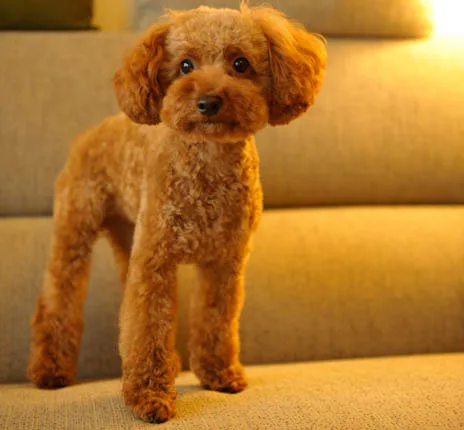
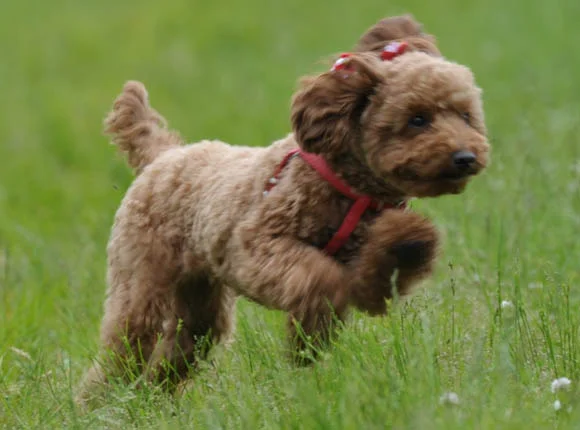
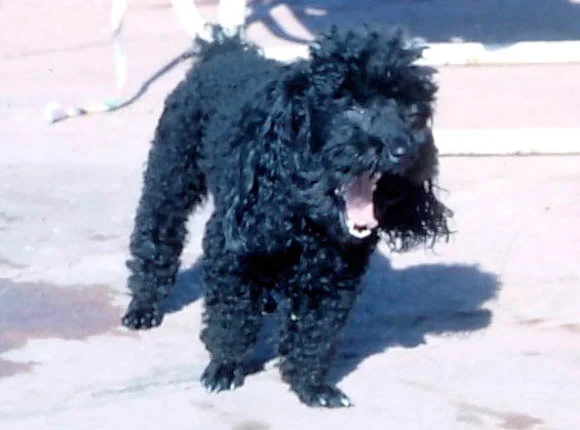
Toy Poodle
Watchdog, retrieving, agility, competitive obedience, performing tricks.
- Origin
- Germany
- Size
- Toy
- Height · Male
- 24–28 cm
- Height · Female
- 24–28 cm
- Weight · Male
- 3–4 kg
- Weight · Female
- 3–4 kg
- Life expectancy
- 10–14 years
- Litter
- 3–8 puppies
- FCI
- FCI group 9 · 9 · n.º 172
- AKC
- 1+3 Non-Sporting Group 4 Toy Group · #8
Traits
Activity
Social
At home
Care
Training
Guarding
Temperament
A dog renowned for its loyalty, capable of learning and being trained thus making it a particularly pleasant companion dog.
History
Etymologically, the French word ?caniche? (Poodle) comes from ?cane?, the French word for a female duck. In other countries, the name of the breed is associated with splashing around in water. Originally, this dog was used for wildfowling. It descends from the Barbet of which it has conserved many characteristics. In 1743, it was called the ?caniche?: the female of the barbet in French. Thereafter the Barbet and the Caniche (Poodle) were gradually separated. Breeders worked hard to obtain original subjects of uniform colour. The Poodle became very popular as a companion dog because of its friendly, joyful and loyal character and also because of its four sizes and different colours which everyone can choose according to preference.
Care
The Poodle enjoys swimming, family play sessions, and securely leashed walks. They greatly benefit from regular opportunities to romp and run off lead in a safe area. Poodles will do okay in an apartment or condominium dwelling provided they are sufficiently exercised and stimulated to help curtail their tendency to excessively bark, and to keep them physically fit.
Attention, grooming, protection from predators or rough play, socialization, some exercise and training.
Training
This dog is very easy to train because it is very intelligent, it easily learns, it is eager to learn. With a gentle but consistent training, it will learn everything it is required.