Dogs
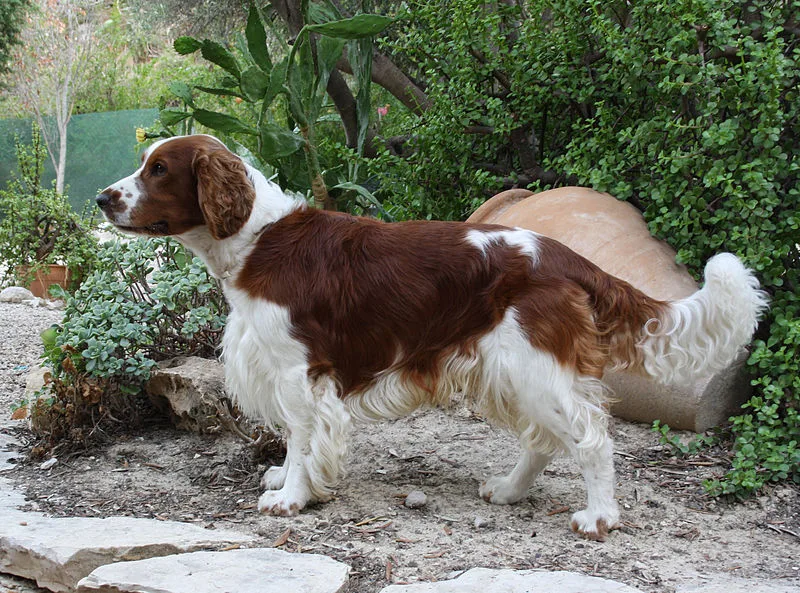
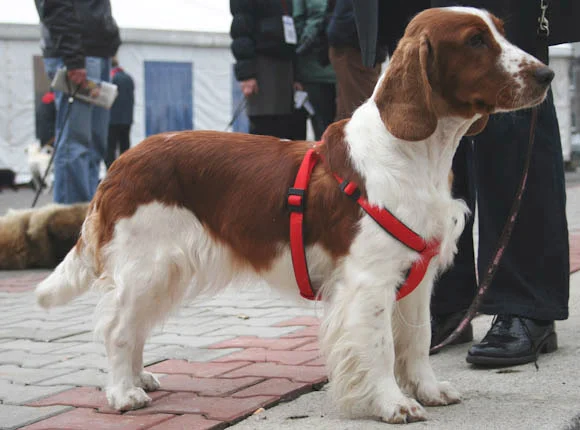
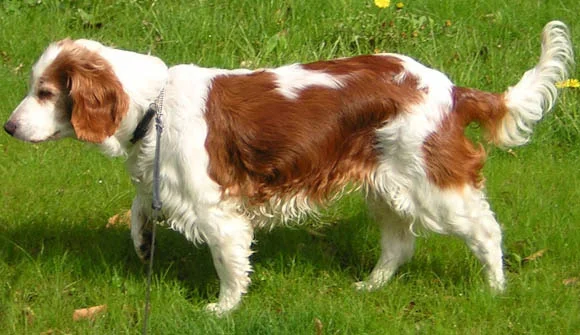
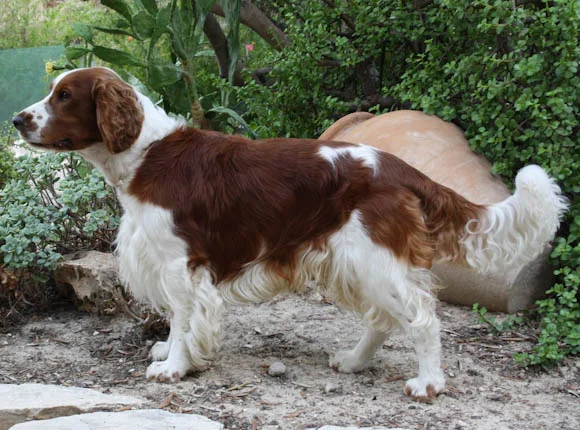
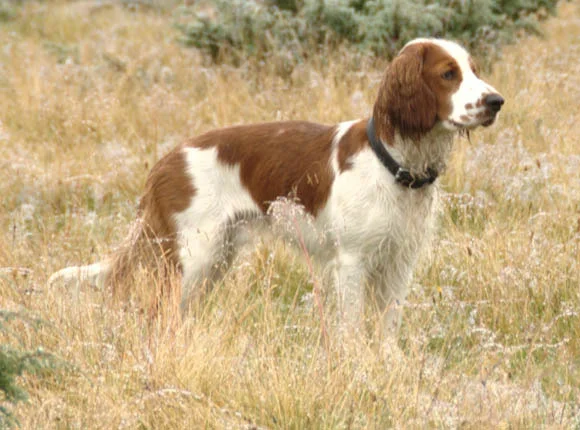
Wesh Springer Spaniel
Other names: Welsh Cocker Spaniel, Welsh Starter, Wesh Springer Spaniel, Welsh Springer, Welshie
- Origin
- Wales
- Size
- Medium
- Height · Male
- 45–58 cm
- Height · Female
- 43–55 cm
- Weight · Male
- 18–20 kg
- Weight · Female
- 16–18 kg
- Life expectancy
- 12–15 years
- Litter
- 6–10 puppies
- FCI
- FCI group 8 · 8 · n.º 126
- AKC
- Non-Sporting Group · #116
Traits
Activity
Social
At home
Care
Training
Guarding
Temperament
Very ancient and distinct breed of pure origin. Strong, merry and very active. Kindly disposition, not showing aggression or nervousness.
Care
The Welsh needs daily exercise, which can be met with long walks on leash combined with strenuous games in the yard. She especially likes jaunts afield and makes a good hiking companion. She does best living inside with her family. The coat needs brushing once or twice weekly and also needs occasional scissoring to neaten stragglers.
The Welsh Springer Spaniel is highly energetic and lively. They require a tremendous amount of exercise off the leash, and prefer a large yard or open space. This breed will do okay in an apartment provided they are sufficiently exercised. They are fairly active indoors and benefit from play sessions. The Welsh Springer Spaniel excels in tracking, hunting, retrieving, and swimming. If this breed is not properly exercised on a consistent basis they will become bored, lazy, and overweight.
Health
The Welsh Springer Spaniel requires regular brushing with a stiff bristle brush. Special care must be given during shedding. Bathing or dry shampooing should only be done when necessary. It is important to regularly check and clean the ears. This breed is prone to hip dysplasia, epilepsy, and entropion.
Training
This dog is easy to train, because it understands easily what is required from it. To get the desired results, the training must be consistent, gentle, encouraging, being very sensitive to its master's voice. It has to be taught to come at calls for not leaving by itself from its master.
Coat & grooming
The fur needs a brush and comb regularly and 3-4 times per year should be trimmed by a specialist. It will remove the hair increased in excess between the pads of the legs and from ears, to let free the ear canal.