Dogs
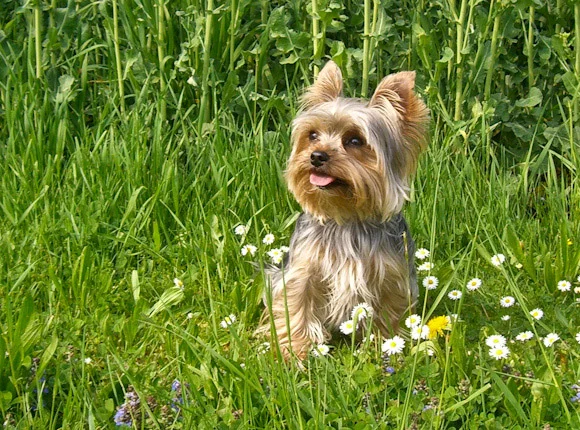
Yorkshire Terrier
Other names: Yorkie, Walking Jewel, Yorkshire Terror
Watchdog, obedience.
- Size
- Toy
- Height · Male
- 15–23 cm
- Height · Female
- 11–15 cm
- Weight · Male
- 3–4 kg
- Weight · Female
- 2–3 kg
- Life expectancy
- 14–16 years
- Litter
- 2–3 puppies
- FCI
- FCI group 3 · 3 · n.º 86
- AKC
- Toy Group · #6
Traits
Activity
Social
At home
Care
Training
Guarding
Temperament
The Yorkshire Terrier can be territorial and likes to have their space respected. They are tolerant of older children if treated with care. The Yorkshire Terrier can also be somewhat independent and assertive. They get along well with other pets.
History
The Yorkshire Terrier comes from the same locale as the Airedale Terrier and was first seen around the 1850s. The old Black and Tan Terrier is behind the Yorkshire Terrier, together with other breeds such as the Maltese and the Skye Terrier. The current name was accepted in 1870. The breed?s terrier-like qualities include the hunting instinct, be it for a toy in the house or a rodent in the garden.
Care
Yorkies tend to exercise themselves within the home, but they also need to have interaction in the form of games. They appreciate a short walk outdoors on leash and enjoy the chance to explore a safe area. This is definitely not a dog that can live outdoors. The long coat needs brushing or combing every day or two.
The Yorkshire Terrier requires minimal exercise. They are suited for short walks and ideal for apartment living or homes with small yards. They love to chase shadows, lay in sunbeams, and tug of war. The more attention this breed receives the better.
Dental care, grooming, socialization, supervision with children and large animals, and training.
Health
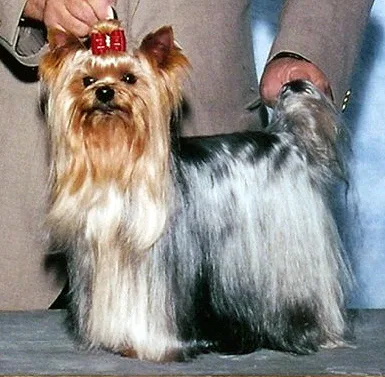
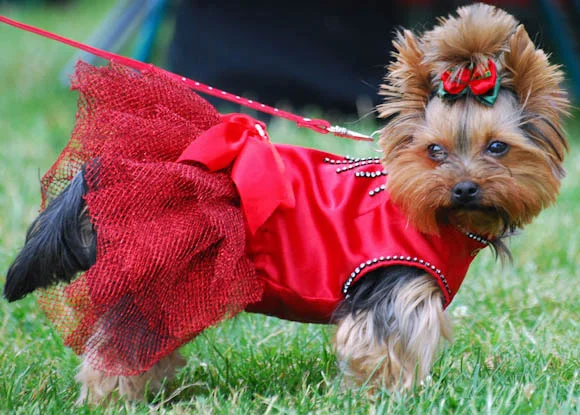
The Yorkshire Terrier's coat requires daily grooming. The hair on top of the head, if grown long, is usually secured with a band or bow. However, if the Yorkshire Terrier is not being used for show, then the coat may be clipped short. Ears and eyes must be cleaned daily. Dental hygiene is also important.
Training
It is a breed easy to train. The training must be consistently , multiple, made kindly and with a lot of love so that to make happy the dog for doing everything its master is asking.
Coat & grooming
The fur should be brushed and combed daily. The hair from the head have to be bound to protect the eyes. But it could be cut, short and then the fur doesn't need so much effort. Because they suffer of cold in winter, they should wear a small protective clothing.
Fun facts
Show dogs need constant and extensive grooming. Can be difficult to housebreak. Avoid puppy mill Yorkies, as these animals may be misproportioned and more difficult to housebreak. Sensitive to cold. Bitches often have trouble delivering. Have a veterinari