Dogs
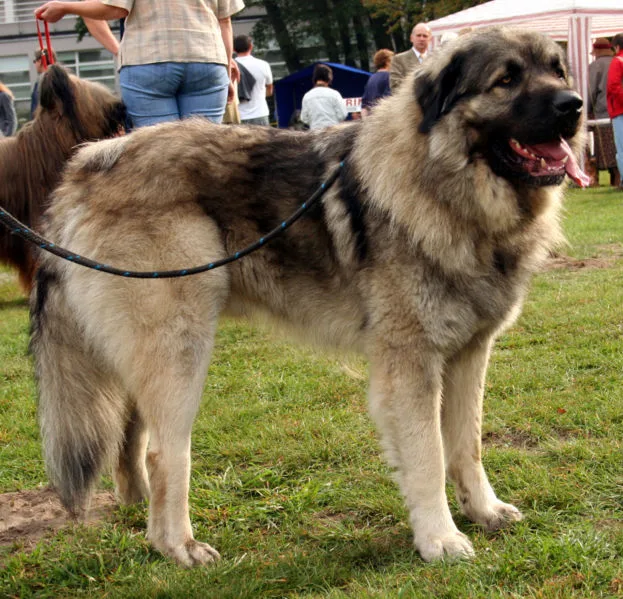
Yugoslavian Shepherd Dog
Other names: Sar Planina, Macedonian-Yugoslav Shepherd Dog - Sharplaninec, Charplaninatz, Illyrain Sheepdog, Yugoslav Shepherd Dog-?arplaninac, Yugoslavian Shepherd Dog, Illyrian Sheepdog, Jugoslawischer Hirtenhund-Sarplaninac, Sarplaninac, Charplaninatz, Sharrplaninatz, Sharr Mountain Dog, Deltari Ilir, Planinac, Sar
- Origin
- Yugoslavia
- Size
- Large
- Height · Male
- 56–62 cm
- Height · Female
- 54–58 cm
- Weight · Male
- 35–45 kg
- Weight · Female
- 30–40 kg
- Life expectancy
- 11–13 years
- FCI
- FCI group 2 · 2 · n.º 41
Traits
Social
At home
Guarding
This text is only available in Portuguese for now.
History
The Yugoslavian Dog Sharplanina has been bred since time immemorial in the south eastern mountain regions of Yugoslavia. The breed was named after the Sharplanina Mountain range where it is the most common. Today Sharplaninas are being bred all over the country. The breed is registered with the F.C.I. since 1939 under n° 41 under the designation ?Illirski Ovcar? (Yllyrian Shepherd Dog). In 1957 the General Assembly of the F.C.I. accepted a motion proposed by the Yugoslavian Federation of Cynology to change the name of the breed to ?Yugoslavian Shepherd Dog Sharplanina?.
The origin of the breed remains controversial. It seems likely that it came to Europe from Asia in the course of the prehistoric mass migrations. The original type of the breed has been maintained solely in such parts of the country where intense cattle breeding is still prevailing and where this dog still can play its original role of a guardian and protector of the cattle herds against predatory animals.
Care
-
Yugoslavian Shepherd Dog breeders
All breeders →No verified breeders for this breed yet. Are you a breeder? Register.
Looking for more breeders? Ask the Clube Português de Canicultura (CPC) for the list of registered breeders of your breed. Visit, meet the parents and ask for health tests.